
Preparing Your Home for Elderly Care Services: Safety and Comfort Tips
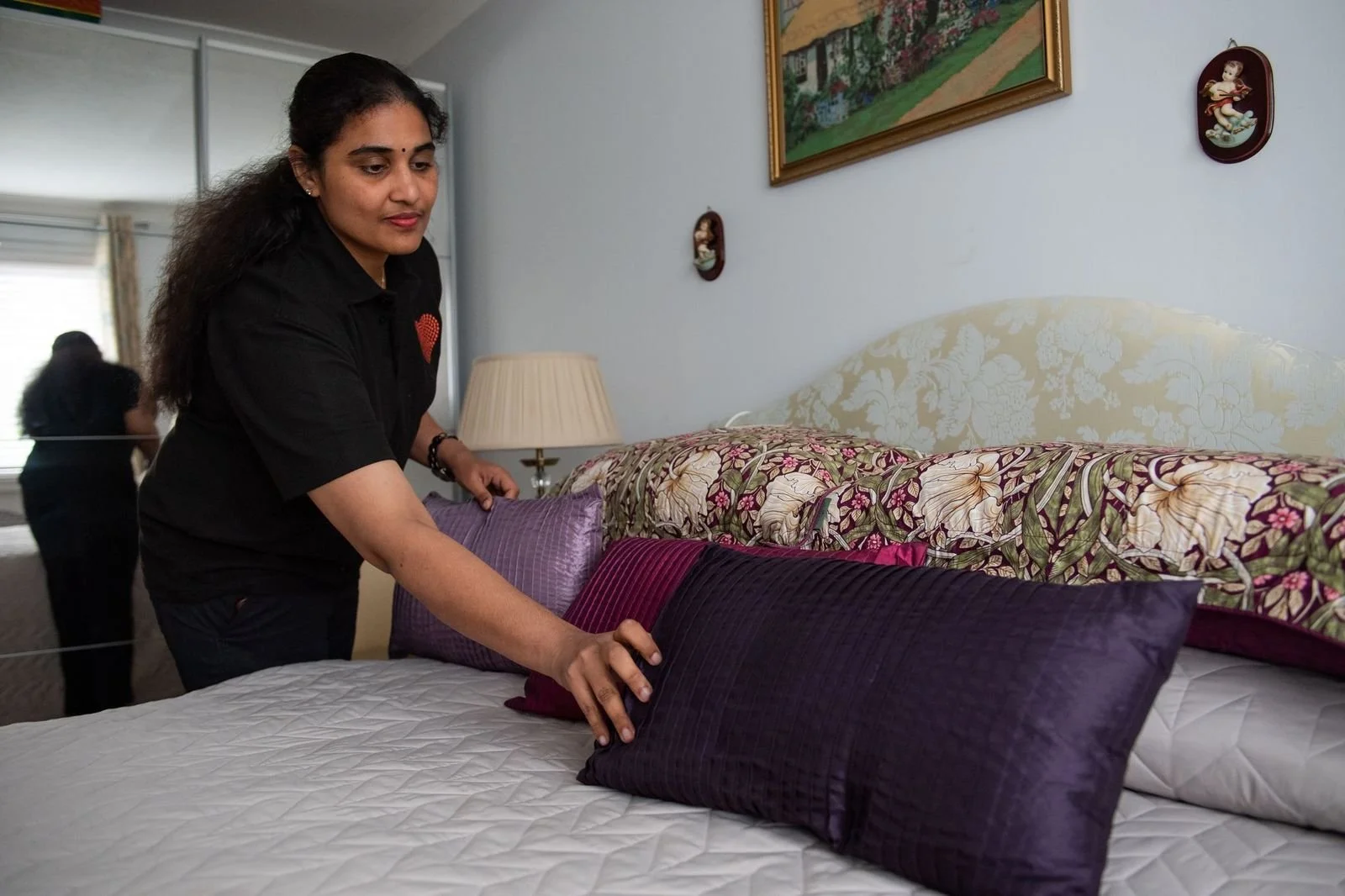
The decision to bring elderly care services into your parent's home is rarely an easy one. If you're reading this, you're likely navigating a complex mix of emotions—concern for your parent's wellbeing, guilt about not being able to provide care yourself, and perhaps anxiety about making the right choice. You're not alone in these feelings.
Many adult children find themselves in this position: balancing demanding careers, their own families, and the growing needs of aging parents. The weight of responsibility can feel overwhelming, especially when you're uncertain about what care options exist or how to prepare your home for professional caregivers to step in.
The good news? With thoughtful preparation and the right support, you can create a safe, comfortable environment where your parent can maintain their independence and dignity while receiving the care they need. This guide will walk you through the practical steps to prepare your home for elderly care services, address common concerns, and help you feel confident in your decision.
Why Home Preparation Matters for Elderly Care
Before diving into the specifics, it's important to understand why preparing your home for elderly care services is so crucial.
Safety is paramount. Falls are the leading cause of injury among older adults, and many occur at home. By making strategic modifications, you significantly reduce these risks and create an environment where both your parent and their caregivers can work safely and confidently.
Comfort supports wellbeing. When your parent's home is adapted to their needs, they feel more secure and independent. This psychological comfort is just as important as physical safety—it helps them maintain confidence and dignity during a significant life transition.
Smoother care delivery. When caregivers arrive to a well-prepared home, they can focus entirely on providing quality care rather than navigating obstacles or safety hazards. This means better care for your parent and less stress for everyone involved.
Peace of mind for you. Knowing your parent's home is safe and ready for professional care allows you to focus on what matters most: supporting your parent emotionally through this transition and managing your own responsibilities without constant worry.
Assessing Your Parent's Specific Needs
Every parent is different, and their care needs are unique. Before making any modifications, take time to understand what your parent actually requires.
Consider their mobility level. Can they walk independently, or do they use a walker, cane, or wheelchair? Do they have balance issues or arthritis that affects their movement? Understanding their mobility will guide which modifications are most important.
Evaluate their cognitive status. Are they experiencing memory loss or confusion? This affects how they'll interact with their environment and what safety measures are most critical.
Assess their daily activities. Which tasks do they struggle with most? Bathing? Cooking? Getting up and down from chairs? Prioritize modifications that address their biggest challenges.
Review their medical conditions. Conditions like arthritis, vision problems, hearing loss, or incontinence all influence what modifications will be most helpful.
Talk to their healthcare provider. Your parent's doctor or occupational therapist can provide valuable insights into specific modifications that would benefit them most.
This assessment phase is essential—it ensures you're not over-modifying or missing critical safety issues. It also demonstrates to your parent that you're taking their specific needs seriously, which can help ease their emotional resistance to accepting outside help.
Essential Bathroom Modifications for Safety and Comfort
The bathroom is where most falls occur in the home, making it the priority area for modifications.
Install grab bars strategically.
Grab bars aren't just about aesthetics—they're lifelines. Install them:
Next to the toilet for support when sitting and standing
Inside the shower or tub, both horizontally and vertically
Along the wall leading to the bathroom for additional support
Ensure bars are securely fastened to wall studs and can support at least 250 pounds of weight.
Add non-slip surfaces.
Wet bathroom floors are treacherous. Use:
Non-slip mats inside and outside the shower or tub
Non-slip adhesive strips on bathroom tiles
Moisture-resistant rugs with non-slip backing
Upgrade the shower or tub.
Consider these modifications:
Install a walk-in shower with a low threshold to eliminate tripping hazards
Add a shower bench or seat so your parent can bathe while sitting
Install a handheld showerhead for easier washing without standing
Use an anti-scald device to prevent burns from sudden temperature changes
Improve toilet accessibility.
Install a raised toilet seat to reduce the strain of sitting and standing
Add a toilet frame or grab bar specifically designed for toilet support
Ensure adequate space around the toilet for maneuvering
Enhance lighting and visibility.
Install bright, even lighting to eliminate shadows
Add a nightlight for safe navigation during nighttime bathroom visits
Use high-contrast colors (light walls, dark towel racks) to improve depth perception
Make faucets and fixtures easier to use.
Replace traditional knobs with lever-style handles that are easier to grip
Install single-lever faucets to reduce the need for two-handed operation
Consider touchless faucets to reduce the risk of slipping while adjusting water temperature
Kitchen Safety and Accessibility Improvements
The kitchen is another high-risk area where modifications can make a significant difference.
Organize for accessibility.
Lower frequently used items to waist height to avoid reaching or bending
Install pull-down or pull-out organizers in cabinets
Keep everyday dishes, glasses, and utensils within easy reach
Store heavier items at mid-level rather than high shelves
Improve workspace comfort.
Install anti-fatigue mats to reduce strain from standing
Ensure adequate counter space for food preparation
Consider a stool with back support for sitting while preparing meals
Widen pathways to accommodate mobility aids like walkers or wheelchairs
Enhance safety features.
Install lever-style handles on cabinets and drawers for easier gripping
Choose appliances with automatic shut-off features (kettles, stoves)
Ensure the stove has controls that are easy to see and operate
Keep a fire extinguisher easily accessible
Improve lighting.
Install bright, even lighting over work areas
Add under-cabinet lighting for better visibility
Use nightlights to illuminate the path to the kitchen
General Home Modifications for Fall Prevention and Comfort
Beyond the bathroom and kitchen, several modifications throughout the home enhance safety and comfort.
Remove tripping hazards.
Secure or remove loose rugs and carpets
Clear pathways of clutter, cords, and obstacles
Ensure furniture is arranged to create wide, clear walkways
Use rounded-edge furniture to reduce injury risk from falls
Install handrails and support.
Add handrails on both sides of stairs
Install ramps where there are steps
Add handrails in hallways, particularly in areas where your parent frequently walks
Improve lighting throughout the home.
Ensure all rooms are well-lit during the day
Install bright overhead lighting in key areas
Add nightlights in hallways, bedrooms, and bathrooms
Use motion-sensor lights for convenience and safety
Optimize bedroom comfort and safety.
Position the bed at a height that makes getting in and out easier
Install a bedside table within easy reach
Add a nightlight or bedside lamp for safe nighttime navigation
Consider a bed rail or grab bar for additional support
Ensure the bedroom is close to a bathroom to minimize nighttime travel
Make stairs safer.
Install handrails on both sides if possible
Add non-slip treads to each step
Ensure adequate lighting on stairs
Consider a stair lift if your parent has significant mobility challenges
Incorporate technology for safety and convenience.
Install a personal alarm system or wearable alert device so your parent can call for help
Use smart home technology to control lights, temperature, and security remotely
Consider a medical alert system that can contact emergency services if needed
Install door sensors to alert caregivers if your parent leaves the home unexpectedly
Preparing for Your Elderly Care Services Provider
Once you've made physical modifications, there are other preparations to consider.
Create a detailed care plan.
Work with your parent and their healthcare provider to document:
Daily routines and preferences
Medical conditions and medications
Dietary restrictions and preferences
Emergency contacts and medical history
Any specific tasks or activities your parent needs help with
Prepare a welcome space for caregivers.
Designate a place for caregivers to store personal items
Provide clear instructions for accessing the home
Leave emergency contact information easily visible
Ensure caregivers know where supplies and equipment are located
Communicate openly with your parent.
Help your parent understand:
Who will be coming to help and when
What tasks the caregiver will assist with
How this arrangement supports their independence and safety
That this is a positive step, not a loss of control
This conversation can be challenging, especially if your parent is resistant to accepting help. Approach it with empathy, focusing on how professional care will allow them to stay in their home longer and maintain their quality of life.
Establish clear communication channels.
Decide how you'll stay informed about your parent's wellbeing
Set up a system for caregivers to report any concerns
Plan regular check-ins with your parent
Establish protocols for emergencies
Addressing Common Concerns and Emotional Resistance
It's completely normal for your parent to feel resistant to accepting elderly care services. Understanding their concerns can help you address them compassionately.
"I don't want strangers in my home."
This is one of the most common concerns. Help your parent understand that professional caregivers are trained, vetted, and committed to respecting their privacy and dignity. Many families find that after an initial adjustment period, their parent develops a positive relationship with their caregiver.
"I'm not ready for this level of help."
Your parent may feel that accepting care means they're "giving up" or losing independence. Reframe it: professional care actually supports independence by helping them stay in their own home longer. It's not about dependence—it's about smart support.
"I'm worried about the cost."
Financial concerns are legitimate. Discuss the options available, including different levels of care (hourly visits vs. live-in care), and explore what's financially feasible for your family. Many find that the cost of home care is significantly less than residential facilities.
"I don't want to burden you."
Your parent may feel guilty about needing help. Reassure them that accepting professional care actually reduces your burden and allows you to be present as their child rather than their sole caregiver. This preserves your relationship and your own wellbeing.
The Role of Professional Elderly Care Services
While home modifications are crucial, they work best alongside professional elderly care services. Here's why:
Professional caregivers bring expertise. They're trained in safe moving and positioning techniques, medication management, and recognizing health changes that might indicate a need for medical attention.
They provide consistent support. Whether your parent needs help with personal care, meal preparation, medication reminders, or companionship, professional caregivers ensure these needs are met reliably.
They offer flexibility. Care can be tailored to your parent's specific needs—from a few hours per week to 24-hour live-in care—and adjusted as needs change.
They support your family. Professional care reduces the stress on family members, allowing you to maintain your own health and relationships while knowing your parent is receiving quality support.
At Sylvian Care, we understand the complexity of this transition. Our team provides compassionate, professional elderly care services designed to help your parent maintain independence and dignity while receiving the support they need. From personal care assistance to specialized dementia care and 24-hour live-in support, we work with families to create care plans that fit their unique circumstances.
Creating a Sustainable Care Plan
Preparing your home is just the beginning. A successful elderly care arrangement requires ongoing attention and adjustment.
Start with a trial period. Many families benefit from beginning with a few hours per week to allow everyone to adjust. This gives your parent time to build trust with their caregiver and helps you identify any additional needs.
Stay flexible. Your parent's needs will change over time. Be prepared to adjust the care plan, modify the home further, or explore different care options as circumstances evolve.
Maintain regular communication. Check in with your parent frequently, listen to their feedback, and address concerns promptly. Also maintain open communication with caregivers about how things are going.
Prioritize your own wellbeing. Remember that accepting professional care isn't a failure on your part—it's a wise decision that allows you to be a better child, partner, and parent. Take care of yourself so you can support your parent effectively.
Frequently Asked Questions About Preparing Your Home for Elderly Care
Q: How much does it cost to modify a home for elderly care?
A: Costs vary widely depending on the modifications needed. Simple changes like grab bars and non-slip mats might cost £200-500, while more extensive renovations like installing a walk-in shower could cost £2,000-5,000 or more. Start with the most critical safety modifications and add others as budget allows.
Q: Can I make modifications myself, or should I hire professionals?
A: For simple modifications like grab bars and non-slip mats, DIY installation is often fine. However, for structural changes like shower installations or electrical work, hiring professionals ensures the work is done safely and to code.
Q: What if my parent refuses to accept home care services?
A: This is common. Have a calm, compassionate conversation focusing on how care supports their independence and safety. Involve their doctor in the discussion if helpful. Sometimes a trial period helps ease resistance.
Q: How do I know if my parent needs 24-hour care or just hourly visits?
A: This depends on their mobility, cognitive status, medical needs, and ability to manage daily tasks independently. An occupational therapist or geriatric care manager can help assess this.
Q: What should I look for in a home care provider?
A: Look for providers who are properly licensed, conduct thorough background checks on staff, offer personalized care plans, maintain good communication with families, and have experience with your parent's specific care needs.
Q: How can I help my parent adjust to having a caregiver in their home?
A: Start with clear communication about what to expect, ensure the caregiver is a good personality match if possible, maintain regular check-ins, and give everyone time to adjust. Many families find that initial awkwardness fades quickly.
Q: What modifications are most important for fall prevention?
A: Grab bars in bathrooms, non-slip surfaces, improved lighting, removing tripping hazards, and handrails on stairs are among the most critical modifications for preventing falls.
Q: Can I modify a rental property for elderly care?
A: Many modifications can be made to rental properties with landlord permission. Focus on non-permanent changes like grab bars with adhesive backing, removable non-slip mats, and portable lighting solutions.
Q: How often should I reassess my parent's care needs?
A: It's wise to reassess at least annually, or more frequently if there are significant changes in health or mobility. Regular communication with caregivers will alert you to any emerging needs.
Q: What's the difference between home care and residential care facilities?
A: Home care allows your parent to remain in their own home with professional support, while residential facilities provide 24-hour care in a communal setting. Home care often allows greater independence and is preferred by many seniors.
Conclusion: Taking the Next Step with Confidence
Preparing your home for elderly care services is an act of love and wisdom. It demonstrates your commitment to your parent's safety, comfort, and independence while acknowledging that professional support is sometimes the best way to provide that care.
The modifications you make—from grab bars to improved lighting to clearing pathways—create a foundation of safety. But equally important is the emotional preparation: helping your parent understand that accepting care isn't a loss, but a gain. It's gaining the support they need to stay in their home, maintain their dignity, and continue living life on their terms.
Remember, you don't have to navigate this alone. Professional elderly care providers like Sylvian Care are here to support both you and your parent through this transition. We understand the guilt, the stress, and the uncertainty you may be feeling. Our team is committed to providing compassionate, professional care that allows your parent to thrive while giving you the peace of mind you deserve.
Ready to take the next step? Contact Sylvian Care today for a free consultation. Our care specialists will assess your parent's needs, discuss available options, and help you create a personalized care plan that works for your family. You've already taken the most important step by recognizing that your parent needs support. Let us help you provide it in a way that honors their independence and your family's wellbeing.