
Careers in Home Care: Opportunities and Rewards
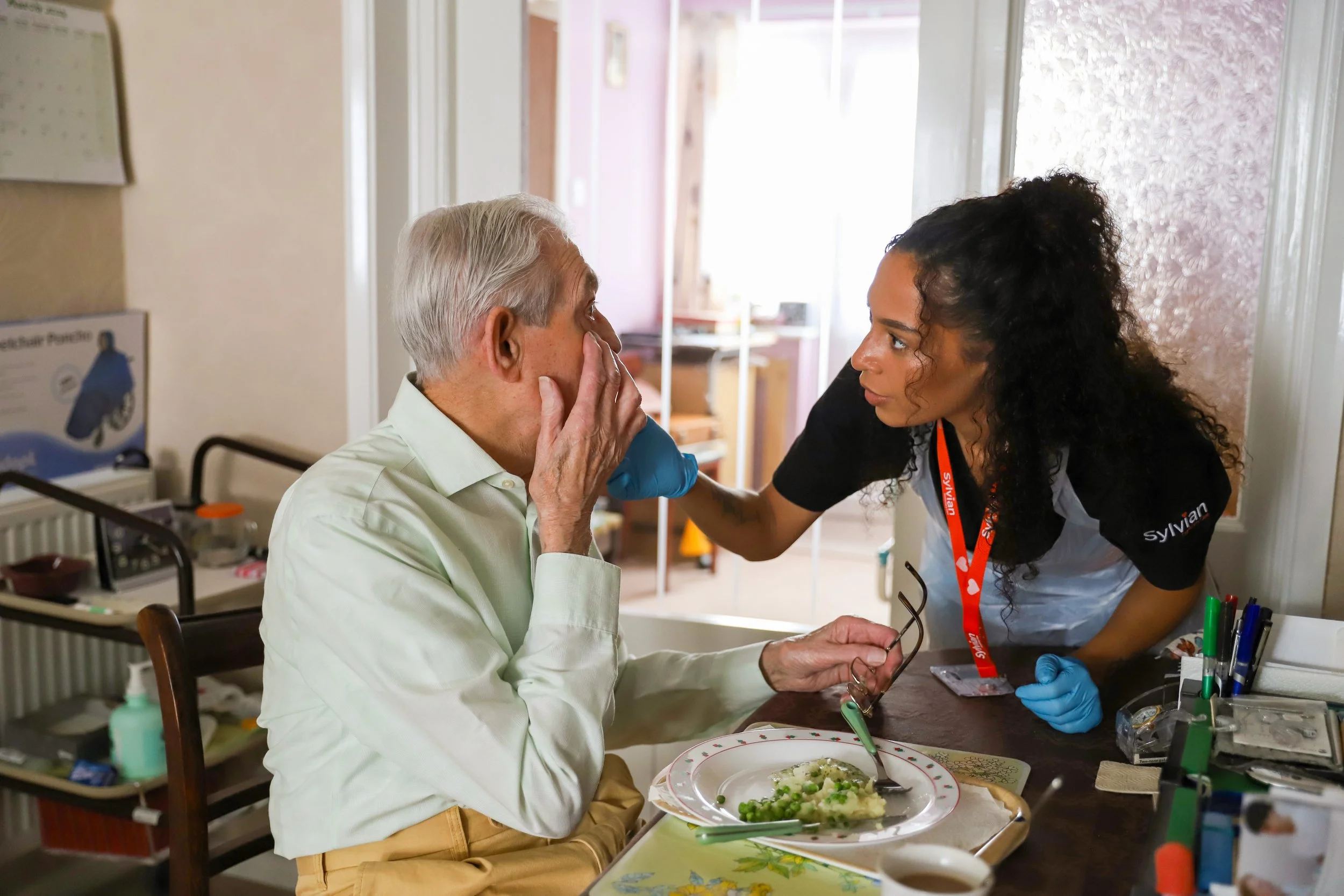
If you're considering a career change or looking for meaningful work that makes a real difference, a career in home care might be exactly what you're searching for. The home care sector in the UK is thriving, with growing demand for compassionate, skilled carers who can provide essential support to vulnerable individuals and their families.
But beyond the obvious reward of helping others, home care careers offer genuine professional development, competitive compensation, and the chance to build a fulfilling long-term career path.
If you're considering a career change or looking for meaningful work that makes a real difference, a career in home care might be exactly what you're searching for. The home care sector in the UK is thriving, with growing demand for compassionate, skilled carers who can provide essential support to vulnerable individuals and their families. But beyond the obvious reward of helping others, home care careers offer genuine professional development, competitive compensation, and the chance to build a fulfilling long-term career path.
In this comprehensive guide, we'll explore what makes a career in home care so rewarding, the opportunities available, and how you can get started on this meaningful journey.
Why Choose a Career in Home Care?
Making a Real Difference Every Day
One of the most compelling reasons to pursue a career in home care is the profound impact you'll have on people's lives. As a home care carer, you're not just providing practical support—you're building meaningful relationships with the individuals you care for. You become part of their daily routine, their confidant, and often, a trusted friend.
This relationship-based approach to care is at the heart of what makes home care so special. Unlike institutional settings, home care allows you to work in a person's own environment, respecting their independence, dignity, and personal preferences. You'll witness firsthand how your compassionate support helps people maintain their quality of life, stay connected to their communities, and continue doing the things they love.
Job Security and Growing Demand
The UK's ageing population means demand for home care services continues to grow. According to recent data, the home care sector is one of the fastest-growing employment sectors in the country. This translates to excellent job security and abundant opportunities for those entering the field. Whether you're looking for full-time, part-time, or live-in positions, there are roles available across the UK.
Flexibility and Work-Life Balance
Home care careers offer flexibility that many traditional jobs simply can't match. Depending on the role and employer, you may have options for:
Part-time or full-time positions
Flexible scheduling that works around your personal commitments
Live-in roles with accommodation included
Shift-based work that suits your lifestyle
The ability to build a client base that aligns with your preferences
This flexibility makes home care an ideal career choice for parents, students, or anyone seeking better work-life balance.
Understanding Home Care Career Opportunities
Entry-Level Positions: Getting Started
You don't need extensive qualifications to begin a career in home care. Most employers welcome candidates with:
A genuine passion for helping others
Good communication skills
Reliability and trustworthiness
A willingness to learn
Care Assistant roles are the typical entry point. As a Care Assistant, you'll provide personal care support, help with daily living activities, and offer companionship to service users. Your employer will provide comprehensive induction training and ongoing support to help you develop the skills you need.
Specialized Care Roles
As you gain experience, you can move into specialized areas that match your interests and strengths:
Dementia Care Specialists work with individuals living with dementia, using specialized techniques and compassionate approaches to provide tailored support.
Complex Care Carers support individuals with multiple health conditions or complex care needs, often requiring additional training and expertise.
Live-in Carers provide round-the-clock support to service users, often building particularly close relationships and receiving accommodation as part of their package.
Palliative Care Specialists work with individuals at the end of life, providing dignified, compassionate support during this sensitive time.
Career Progression and Professional Development
Clear Pathways to Advancement
One of the most rewarding aspects of a home care career is the clear progression pathway available to you. You're not stuck in an entry-level role—there's genuine opportunity to grow and advance:
Care Assistant → Senior Carer → Care Coordinator → Care Supervisor → Care Manager → Management Positions
Many carers also move into specialized roles such as:
Learning & Development Trainers
Quality Assurance Specialists
Recruitment Coordinators
Field Care Supervisors
Training and Qualifications
Your employer will typically support you in gaining recognized qualifications, including:
SVQ Level 2 in Health and Social Care – The foundation qualification for care workers, covering essential skills and knowledge.
SVQ Level 3 and Beyond – Advanced qualifications that open doors to supervisory and management roles.
Specialist Training – Dementia care, safeguarding, mental health awareness, and other specialized areas.
Professional Development – Ongoing training to keep your skills current and enhance your expertise.
Many employers offer these qualifications at no cost to employees, recognizing that investing in your development benefits both you and the people you care for.
The Financial Rewards
Competitive Salaries
Home care careers offer competitive compensation that reflects the importance and responsibility of the role:
Home Care Workers (hourly-paid): £21,000 to £29,000 per year, depending on experience, location, and employer.
Live-in Carers: £800 to over £1,000 per week, inclusive of accommodation and meals, which can equate to approximately £52,000 annually.
Senior Carers and Supervisors: Higher salaries reflecting increased responsibility and experience.
Additional Benefits
Beyond base salary, home care positions typically include:
Paid Annual Leave: Around 5.6 weeks pro-rata, including bank holidays
Paid Travel Time: Reimbursement for travel between clients
Mileage Allowance: If using your own vehicle
Enhanced Holiday Pay: Additional payments for working on bank holidays and special occasions
Employee Assistance Programs: Medical, emotional, and financial support
Referral Bonuses: Rewards for recommending friends and colleagues
Discounts: Via National Health and Blue Light cards
What Makes Home Care Work So Rewarding?
Building Meaningful Relationships
Unlike many jobs where interactions are transactional, home care is fundamentally about building genuine relationships. You'll get to know your service users deeply—their histories, their preferences, their families, their sense of humor. These relationships often become the most rewarding aspect of the job, providing a sense of purpose that extends far beyond the paycheck.
Seeing the Impact of Your Work
In home care, the results of your efforts are immediately visible. You'll see how your support helps someone maintain their independence, how a kind word brightens their day, how your presence makes a real difference to their wellbeing and that of their family. This tangible impact is profoundly motivating.
Personal Growth and Development
Working in home care challenges you to develop emotional intelligence, problem-solving skills, and resilience. You'll learn to communicate effectively with people from diverse backgrounds, manage complex situations with compassion, and develop a deeper understanding of human nature. These skills enrich not just your professional life but your personal life too.
Being Part of a Supportive Team
Despite the one-to-one nature of home care work, you're part of a larger team. You'll work alongside other carers, care coordinators, and managers who share your commitment to providing excellent care. This sense of community and shared purpose creates a supportive work environment.
Getting Started: Your Path into Home Care
Step 1: Research and Reflect
Consider what aspects of home care appeal to you most. Are you drawn to working with older adults, younger adults with disabilities, or people with specific conditions? Do you prefer part-time or full-time work? Would live-in care interest you? Understanding your preferences will help you find the right role.
Step 2: Check the Requirements
While formal qualifications aren't always required, you'll typically need:
To be at least 18 years old
A valid UK driving license (for many roles)
Enhanced DBS (Disclosure and Barring Service) clearance
References from previous employers or character references
Good health and fitness for the role
Step 3: Apply and Interview
Look for vacancies with reputable home care agencies in your area. During the interview, be prepared to discuss your motivation for entering care, your approach to supporting vulnerable people, and your commitment to maintaining dignity and respect.
Step 4: Complete Induction and Training
Once hired, you'll complete a comprehensive induction program covering health and safety, safeguarding, manual handling, and other essential topics. Your employer will provide ongoing training and support as you settle into your role.
Step 5: Build Your Career
As you gain experience and confidence, take advantage of training opportunities, consider gaining qualifications, and explore progression pathways that interest you.
Why Choose Sylvian Care?
At Sylvian Care, we believe that exceptional care begins with exceptional people. Our mission is to create an unparalleled care experience built on the power of human connection. We're looking for compassionate, dedicated individuals who share our commitment to relationship-based care and personalized support.
When you join Sylvian Care, you're joining an organization that:
Values Your Development: We invest in comprehensive training and support to help you grow professionally
Prioritizes Dignity and Respect: We believe every person deserves to be treated with the utmost dignity, and we empower our carers to deliver care that reflects this value
Builds Meaningful Relationships: We recognize that the relationships you build with service users are at the heart of great care
Supports Your Wellbeing: We offer competitive salaries, benefits, and employee support programs
Creates Career Pathways: We provide genuine opportunities for progression and specialization
If you're ready to start a rewarding career in home care, explore current opportunities at Sylvian Care.
Frequently Asked Questions About Home Care Careers
Do I need qualifications to work in home care?
No, formal qualifications aren't always required to start. Most employers provide comprehensive induction and training. However, gaining qualifications like SVQ Level 2 will enhance your career prospects and earning potential.
What's the difference between a Care Assistant and a Senior Carer?
A Care Assistant typically provides personal care and support under supervision. A Senior Carer has more experience, may supervise other carers, handles more complex care needs, and usually earns a higher salary.
Can I work part-time in home care?
Yes, many home care agencies offer part-time positions. This flexibility makes home care an excellent option for those balancing other commitments.
What does a typical day look like for a home care carer?
This varies depending on your role and clients. You might help someone with personal hygiene, prepare meals, assist with medication, provide companionship, help with light housework, or accompany them to appointments. Each day is different, which keeps the work engaging.
How much can I earn as a live-in carer?
Live-in carers typically earn between £800 and £1,000+ per week, with accommodation and meals included. This can equate to approximately £52,000 annually.
What support will I receive as a new carer?
Reputable employers provide comprehensive induction training, ongoing supervision, regular training updates, and access to support services. You'll never be left to figure things out alone.
Is there room for career progression in home care?
Absolutely. Clear pathways exist from Care Assistant to Senior Carer, Care Coordinator, Supervisor, Manager, and specialized roles. Many carers build long-term careers with significant progression.
What qualities make a good home care carer?
Compassion, reliability, good communication skills, patience, respect for dignity and independence, and a genuine desire to help others are essential. You don't need to be perfect—just committed to doing your best.
How is home care different from working in a care home?
Home care is delivered in the service user's own home, allowing them to maintain independence and remain in their familiar environment. This creates opportunities for deeper, more personal relationships compared to institutional settings.
What happens if I'm not sure home care is right for me?
Many employers offer trial periods or flexible arrangements. Starting part-time or with a specific client can help you determine if home care is the right fit before committing fully.
Your Rewarding Career Awaits
A career in home care offers something increasingly rare in today's job market: the opportunity to do meaningful work that genuinely improves people's lives, while building a sustainable, rewarding career with genuine progression opportunities.
Whether you're seeking a career change, looking for flexible work, or simply wanting to make a difference, home care could be your calling. The sector needs compassionate, dedicated people like you—people who understand that care is fundamentally about human connection and dignity.
Ready to explore a career in home care? Speak to your local Sylvian Care to discover current opportunities and take the first step toward a fulfilling career in care.
Your journey to making a real difference starts here.