
10 Warning Signs That Your Elderly Relative Needs Extra Support at Home
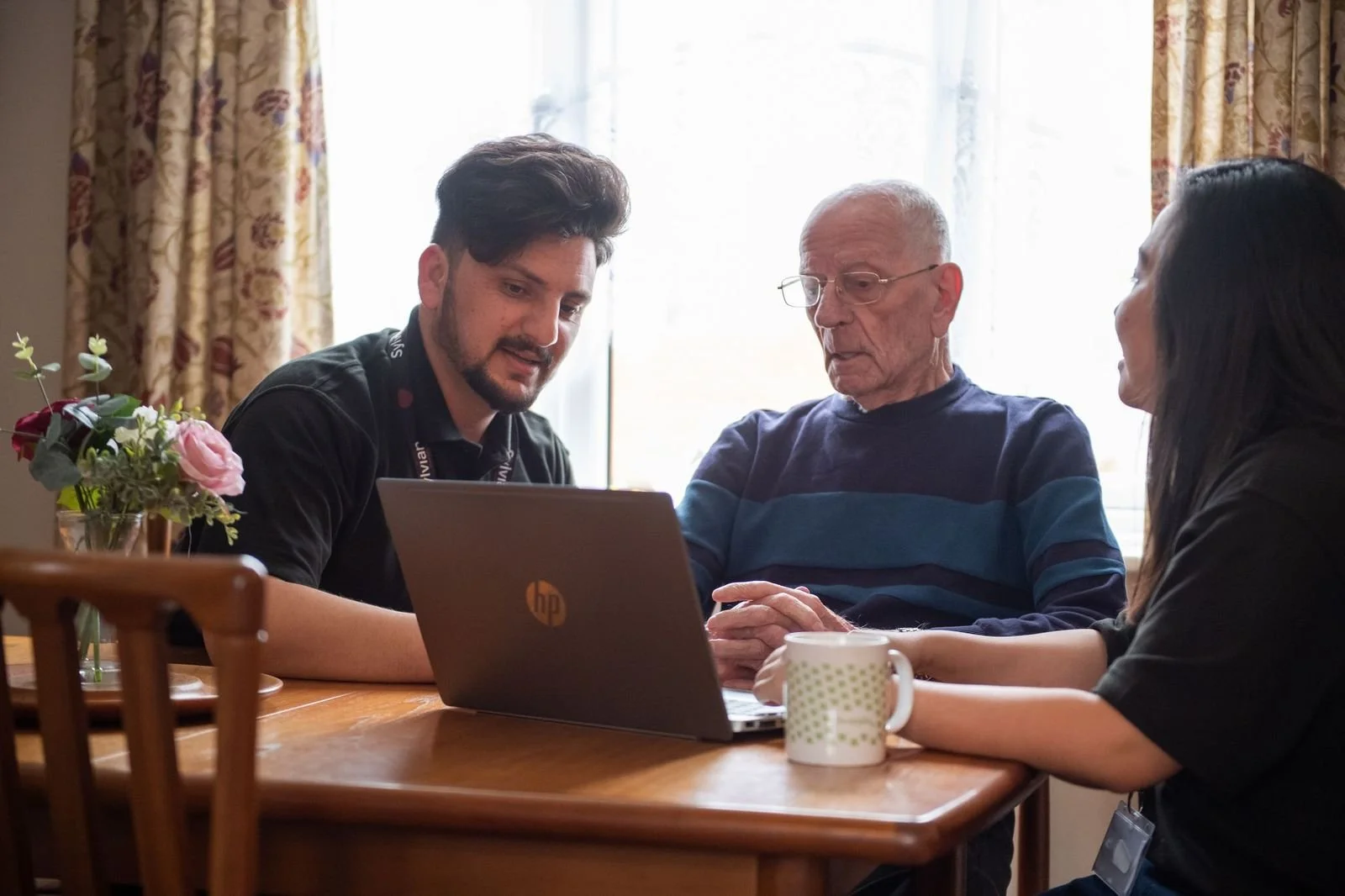
It's a conversation many of us dread having, yet it's one of the most important ones we'll ever have with our parents. You've noticed small changes—a missed phone call here, a cluttered kitchen there—but you're not quite sure if it's just normal ageing or a sign that your mum or dad needs extra support at home.
The truth is, recognising when your elderly relative needs help isn't about being overly cautious or jumping to conclusions. It's about being a caring, attentive child who wants to ensure their parent's safety, dignity, and wellbeing.
Many adult children feel torn between their own responsibilities and their desire to do more for their parents. That guilt, that worry, that uncertainty—it's completely valid. And you're not alone in feeling it.
This guide will help you identify the key warning signs that your elderly relative may benefit from professional home care support. By understanding these signs early, you can have informed conversations with your parent, explore the right care options, and ultimately make decisions that keep them safe and comfortable in the home they love.
1. Difficulty with Personal Hygiene and Grooming
One of the earliest and most telling signs that your elderly relative may need support is a noticeable decline in personal hygiene and grooming habits.
If your parent has always taken pride in their appearance but you're now noticing:
Unwashed or greasy hair that's become matted
Dirty or stained clothing worn repeatedly
Neglected fingernails or toenails
Poor oral hygiene or difficulty brushing teeth
An overall unkempt appearance
...this could indicate they're struggling with the physical demands of self-care. Arthritis, reduced mobility, balance issues, or even cognitive decline can make bathing, dressing, and grooming increasingly difficult and even dangerous (slipping in the shower, for example).
This isn't about vanity—it's about safety and health. When personal hygiene declines, the risk of infections, skin conditions, and other health complications increases significantly.
2. Increased Falls or Mobility Challenges
Falls are one of the leading causes of injury and hospitalisation among older adults. If you've noticed your parent:
Mentioning recent falls or "near misses"
Moving more slowly or cautiously than before
Using furniture to steady themselves when walking
Struggling with stairs or uneven surfaces
Complaining of dizziness or balance problems
Shuffling their feet rather than lifting them properly
...these are clear indicators that their mobility and balance have declined. What might seem like a minor stumble to them could be a serious warning sign.
Reduced mobility often stems from muscle weakness, arthritis, medication side effects, or neurological changes. The good news? Professional carers can help prevent falls through environmental modifications, assistance with movement, and encouragement of safe mobility practices.
3. Neglected Home Environment and Household Tasks
Your parent's home should be their sanctuary, but if you're visiting and noticing:
Piles of unopened mail or bills scattered around
Dirty dishes stacked in the sink or left on surfaces
Cluttered, dusty rooms with visible neglect
Spoiled food in the fridge or kitchen
Unmade beds or soiled bedding
General disorganisation and clutter
...this suggests they're struggling to manage household tasks. This isn't laziness—it's often a sign of physical limitations, cognitive decline, depression, or simply being overwhelmed.
A cluttered, unkempt home also poses safety risks: tripping hazards, pest infestations, and poor sanitation can all lead to health problems. Professional home care support can help with light housekeeping, laundry, and maintaining a safe, clean living environment.
4. Poor Nutrition and Unexplained Weight Loss
Food is fuel, and proper nutrition is essential for maintaining health, energy, and independence. Warning signs include:
Noticeable weight loss without explanation
Complaints of loss of appetite
Difficulty preparing meals or cooking
Reliance on takeaways or processed foods
Forgotten meals or skipped eating
Difficulty chewing or swallowing
Empty cupboards or fridge
Weight loss and poor nutrition can lead to weakened immunity, slower wound healing, increased fall risk, and worsening of existing health conditions. If your parent is struggling to prepare nutritious meals, it's time to consider support.
Professional carers can help with meal planning, shopping, preparation, and ensuring your parent receives balanced, nutritious meals tailored to their dietary needs and preferences.
5. Medication Management Issues
Proper medication management is critical for managing chronic conditions and maintaining health. Red flags include:
Your parent forgetting to take medications
Confusion about which medications to take and when
Missed doses or double-dosing
Medications left in unsafe places
Difficulty opening medication bottles
Unexplained changes in health or mood (which could indicate medication issues)
Medication errors can have serious consequences, from worsening health conditions to dangerous drug interactions. If your parent is struggling to manage their medications independently, professional support can ensure they take the right medication at the right time.
6. Social Withdrawal and Increased Isolation
Loneliness and isolation are serious health risks for older adults, yet they're often overlooked. Signs include:
Your parent declining social invitations or activities they once enjoyed
Reduced phone calls or contact with friends and family
Spending most days alone at home
Loss of interest in hobbies or interests
Complaints of loneliness or feeling disconnected
Reduced engagement with community activities
Social isolation can accelerate cognitive decline, worsen depression, and even increase mortality risk. If your parent is withdrawing from social connections, it may be due to mobility issues, embarrassment about needing help, or depression—all of which can be addressed with proper support.
Home care isn't just about physical assistance; it's about companionship, engagement, and maintaining meaningful connections.
7. Cognitive Changes and Memory Decline
Cognitive changes can be subtle at first, but they're important to recognise. Watch for:
Increased forgetfulness (beyond normal age-related memory lapses)
Confusion about dates, times, or familiar places
Difficulty following conversations or instructions
Getting lost in familiar areas or their own home
Repeating the same questions or stories
Difficulty making decisions or solving problems
Wandering or leaving the house without clear purpose
Early signs of cognitive decline—whether from normal ageing, mild cognitive impairment, or dementia—require professional assessment and support. Your GP can help with diagnosis, and home care support can provide safety monitoring and assistance with daily tasks.
8. Unexplained Injuries, Bruises, or Health Changes
Sudden or unexplained physical changes warrant attention:
New bruises, cuts, or injuries without clear explanation
Complaints of pain in new areas
Sudden changes in mobility or function
Frequent infections or illnesses
Skin breakdown or pressure sores
Complaints of chest pain, shortness of breath, or other concerning symptoms
These could indicate falls you're unaware of, accidents, or underlying health issues. Some may require medical attention, while others signal that your parent needs help preventing future injuries.
9. Difficulty Managing Finances and Bills
Cognitive or physical decline often affects a person's ability to manage finances. Signs include:
Unopened bills or overdue notices
Confusion about financial matters
Difficulty writing cheques or using banking services
Missed payments or utility disconnections
Concerns about scams or financial exploitation
Disorganised financial records
While professional carers may not manage finances directly, they can help with organisation, reminders, and ensuring your parent has support in coordinating with family members or professionals who do handle finances.
10. Changes in Mood, Behaviour, or Personality
Finally, emotional and behavioural changes can signal that your parent needs support:
Increased irritability, agitation, or aggression
Persistent sadness, hopelessness, or depression
Anxiety or fearfulness
Sudden personality changes
Withdrawal from conversations
Complaints of pain or discomfort without clear cause
These changes can stem from depression, cognitive decline, medication side effects, or simply the stress of struggling with daily tasks. Professional support—both emotional and practical—can help address these concerns.
Understanding the Bigger Picture
Recognising one or two of these signs doesn't necessarily mean your parent needs full-time care immediately. However, if you're noticing a combination of these warning signs, or if they're progressively worsening, it's time to have a conversation about support options.
The key is to approach this conversation with compassion, respect, and a focus on maintaining your parent's independence and dignity. Many older adults resist the idea of accepting help—and that's understandable. They may fear losing autonomy, worry about cost, or simply not want to burden their children.
This is where professional home care can make a real difference. Rather than relying solely on family members (which can strain relationships and leave gaps in care), trained carers provide consistent, professional support tailored to your parent's specific needs.
Taking the Next Steps
If you've recognised some of these warning signs in your elderly relative, here's what you can do:
1. Have an open conversation. Choose a calm moment to discuss your observations with your parent. Focus on specific concerns rather than generalisations, and listen to their perspective.
2. Consult their GP. A medical assessment can rule out underlying health conditions and provide professional guidance on care needs.
3. Explore care options. Home care support ranges from a few hours per week for companionship and light housekeeping to 24-hour live-in care. Understanding what's available helps you make informed decisions.
4. Involve the family. If possible, coordinate with siblings or other family members to share responsibilities and ensure consistent support.
5. Prioritise your parent's preferences. The best care plan is one that respects your parent's wishes, maintains their independence, and allows them to age in place—in the comfort of their own home.
Frequently Asked Questions
Q: What's the difference between home care and residential care?
A: Home care provides support in your parent's own home, allowing them to maintain independence and familiarity. Residential care involves moving to a care facility. Many families prefer home care because it preserves dignity and allows ageing in place.
Q: How much does home care cost?
A: Costs vary depending on the level of care needed, your location, and the provider. Some care is funded by local authorities, while other costs are private. It's worth exploring all funding options and getting quotes from multiple providers.
Q: Can home care help with medical needs?
A: Yes. Depending on your parent's needs and the care provider's qualifications, home care can include medication management, wound care, mobility assistance, and coordination with healthcare professionals.
Q: What if my parent refuses help?
A: This is common. Start with small steps—perhaps a cleaner for a few hours weekly or a carer for companionship. Build trust gradually. Sometimes involving their GP or a trusted friend can help them see the benefits.
Q: How do I find a reliable home care provider?
A: Look for providers registered with the Care Quality Commission (CQC), check reviews and references, and ensure they conduct thorough background checks on carers. Ask about their training, experience, and approach to person-centred care.
Q: Can I combine family care with professional home care?
A: Absolutely. Many families use a combination approach—perhaps you visit weekly while professional carers provide daily support. This ensures consistent care while maintaining family involvement.
Q: What if my parent lives alone and has no family nearby?
A: Professional home care becomes even more important. Carers can provide daily check-ins, assistance with tasks, and peace of mind that your parent is safe and supported.
Final Thoughts
Recognising that your elderly parent needs extra support isn't a failure on your part—it's an act of love and responsibility. You're acknowledging their changing needs and taking steps to ensure they receive the care and dignity they deserve.
At Sylvian Care, we understand the emotional complexity of this journey. We specialise in providing warm, professional, personalised home care that respects your parent's independence while ensuring their safety and wellbeing. Our experienced carers work closely with families to create care plans that truly fit each individual's needs and preferences.
If you've recognised some of these warning signs in your elderly relative, we're here to help. Whether you need advice, want to discuss care options, or are ready to arrange support, our team is ready to listen and guide you through the process.
Don't let worry and uncertainty hold you back. Reach out to Sylvian Care today for a confidential conversation about how we can support your parent and your family.