
Dementia Care at Home: A Practical UK Guide
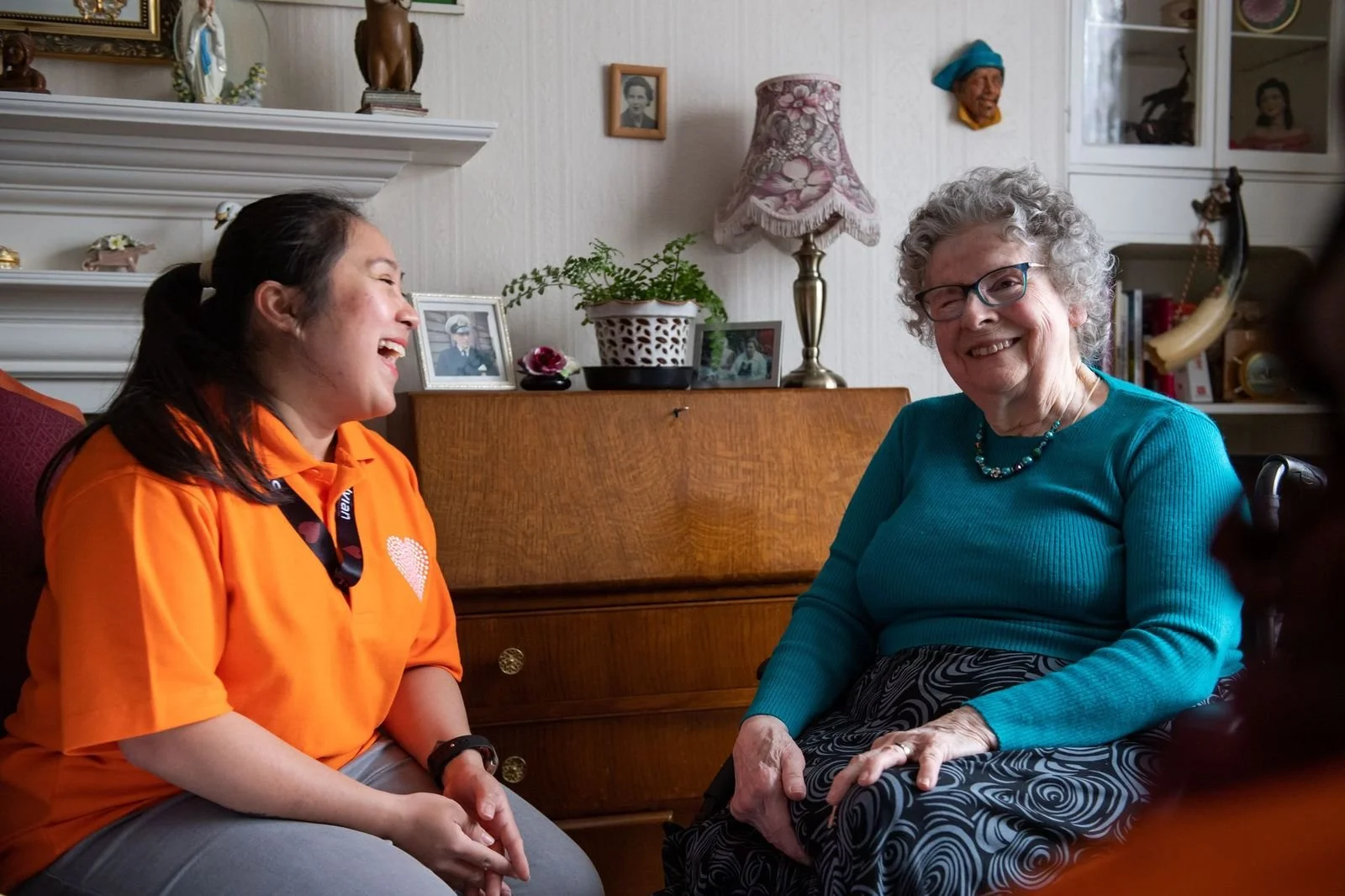
A dementia diagnosis can feel overwhelming — for the person receiving it and for the family who loves them. Questions about safety, independence, daily routines and the future often arise all at once.
The good news is that many people living with dementia can continue to live safely and comfortably in their own homes with the right support in place. Dementia care at home is designed to preserve dignity, familiarity and independence, while giving families reassurance and practical help.
In this guide, we explain how dementia home care works in the UK, what support is available, how funding works, and how to choose the right provider.
What Is Dementia Care at Home?
Dementia care at home (also known as home care or domiciliary care) is specialist support provided in a person’s own home to help them live as independently as possible.
It can range from a few visits a week to full-time live-in care, depending on needs.
Importantly, dementia care is not just about practical tasks — it is about understanding cognitive change, memory loss, communication differences, and behavioural changes. Specialist carers are trained to support the whole person, not just the diagnosis.
Why Staying at Home Matters for People with Dementia
For someone living with dementia, familiarity is incredibly important.
Remaining at home can:
Reduce confusion and anxiety
Support memory through familiar surroundings
Maintain established routines
Promote independence and confidence
Preserve close ties to neighbours, pets and the community
Sudden environmental change — such as moving into residential care — can sometimes accelerate confusion or distress. For many families, dementia home care offers a gentler, more personalised alternative.
What Support Does Dementia Home Care Include?
Care plans are tailored to the individual, but typically include:
Personal Care
Help with washing, bathing and dressing
Toileting support
Oral hygiene and grooming
Continence care
Medication Support
Prompting or administering medication
Monitoring side effects
Liaising with GPs or pharmacies
Meal Preparation and Nutrition
Preparing nutritious meals
Supporting safe eating
Monitoring appetite and hydration
Companionship and Emotional Support
Conversation and reminiscence activities
Gentle cognitive stimulation
Support with hobbies and interests
Household Support
Light housekeeping
Laundry
Shopping and errands
Safety Monitoring
Fall prevention strategies
Monitoring changes in behaviour or wellbeing
Reducing risks around the home
Live-In Dementia Care
For individuals with more advanced dementia, live-in care provides 24-hour support from a dedicated carer who stays in the home.
Understanding the Stages of Dementia
Dementia is progressive, meaning needs change over time. Home care can adapt as the condition develops.
Early Stage
Memory lapses
Difficulty finding words
Mild confusion
Support may focus on reminders, companionship, and maintaining independence.
Mid Stage
Increased confusion
Changes in behaviour
Difficulty managing personal care
More structured daily support becomes important.
Late Stage
Significant memory loss
Limited communication
Full support with personal care
At this stage, live-in or intensive home care is often beneficial.
A flexible care plan ensures support evolves alongside the person’s needs.
How Much Does Dementia Care at Home Cost in the UK?
Costs vary depending on location and level of support.
As a general guide:
Hourly home care: £20–£35 per hour
Live-in care: £900–£1,600 per week
Several funding options may be available:
Local Authority Funding
If savings and assets are below the threshold in England (£23,250 as of current guidance), individuals may qualify for financial support following a care needs assessment.
NHS Continuing Healthcare (CHC)
If a person’s needs are primarily health-related, they may qualify for fully funded care through the NHS.
Attendance Allowance
Available to people over State Pension age who need help with personal care due to illness or disability. This is not means-tested.
It is always advisable to request a care needs assessment from your local council to explore eligibility.
Choosing a Dementia Home Care Provider
Selecting the right care provider is one of the most important decisions a family can make.
When researching providers, consider:
CQC registration and inspection ratings
Specialist dementia training for carers
Continuity of carers (familiar faces matter)
Personalised care planning
Clear communication with family members
Emergency and out-of-hours support
Trust, consistency and empathy are just as important as qualifications.
Supporting a Loved One with Dementia at Home: Practical Tips
While professional support is invaluable, families also play a central role.
Here are a few practical strategies:
Keep routines consistent
Use simple, clear communication
Avoid correcting or arguing
Use visual cues and labels around the home
Reduce noise and clutter
Ensure good lighting to reduce confusion
Most importantly, take care of yourself. Caring for someone with dementia can be emotionally demanding, and respite care is not a luxury — it is essential.
When Is It Time to Increase Support?
It may be time to consider additional care if you notice:
Increased wandering
Night-time wakefulness
Weight loss or poor nutrition
Frequent falls
Carer burnout
Seeking support early can prevent crises and hospital admissions.
The Emotional Side of Dementia Care
Beyond practical arrangements, dementia care is deeply emotional. Families often experience grief, frustration and uncertainty.
Home care offers something powerful: the ability to focus on meaningful time together, while trained professionals manage the day-to-day challenges.
With the right support, many people living with dementia can continue to experience comfort, dignity and joy in familiar surroundings.
How Sylvian Care Can Help
At Sylvian Care, we provide compassionate, personalised dementia care at home across the UK. Our trained carers understand the unique challenges of memory loss and are committed to supporting both individuals and their families with patience, warmth and respect.
Whether you need a few hours of support each week or full-time live-in care, we are here to help you navigate this journey with confidence.
If you would like to discuss dementia care at home for your loved one, contact your local Sylvian Care team today for a friendly, no-obligation conversation.