
Is Home Care Cheaper Than a Care Home?
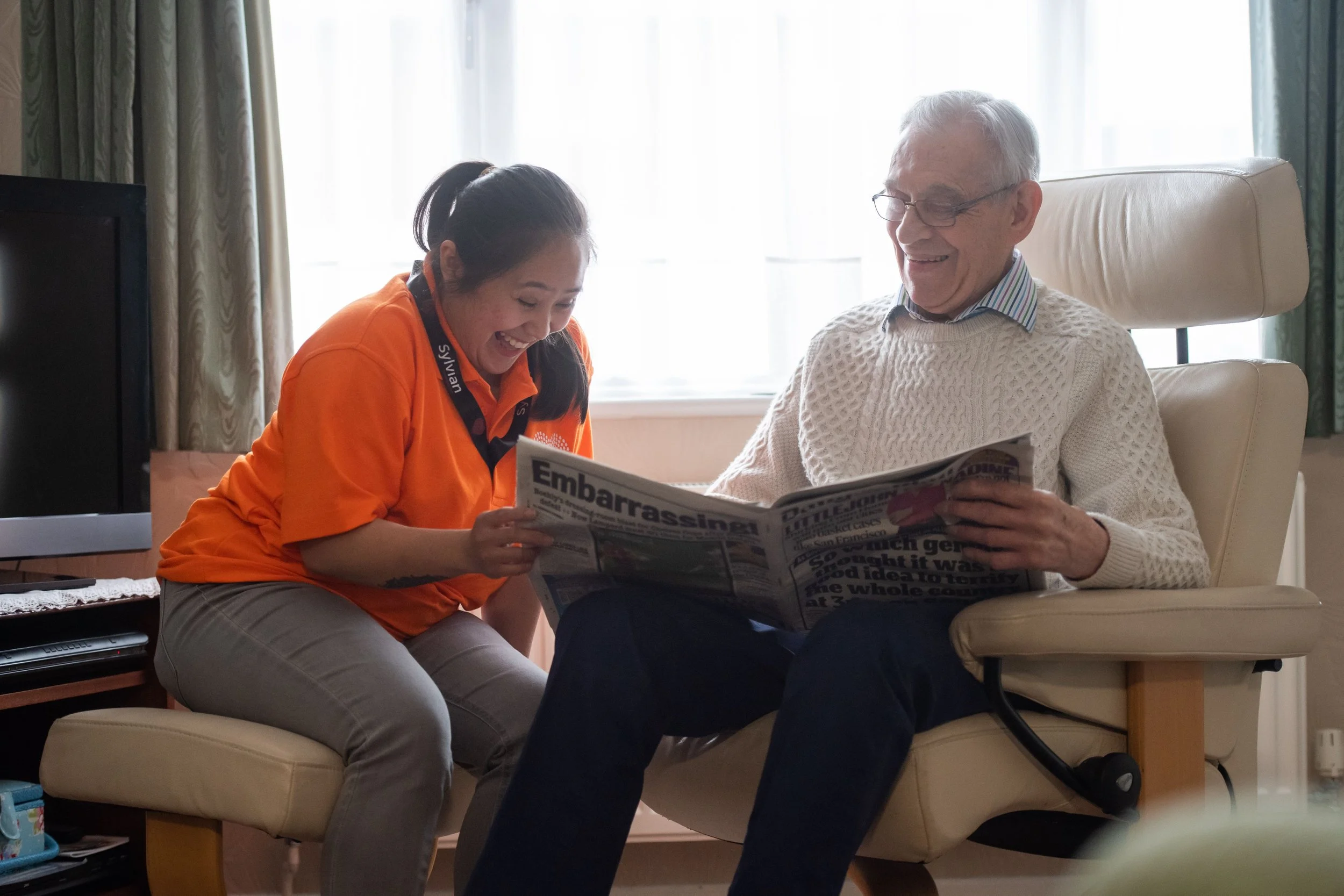
When families begin exploring care options for a loved one, one of the first and most pressing questions is cost. Understanding whether home care is cheaper than a care home isn’t always straightforward—because the answer depends on individual needs, lifestyle preferences, and the level of support required.
This guide breaks down the true costs of both options, helping you make an informed, confident decision.
Understanding the Two Types of Care
What Is Home Care?
Home care (also known as domiciliary care) allows individuals to remain in their own home while receiving professional support. This can range from a few visits a week to full-time live-in care.
Services often include:
Personal care (washing, dressing, toileting)
Medication support
Meal preparation
Companionship
Specialist care (e.g. dementia support)
What Is a Care Home?
A care home provides accommodation alongside 24/7 care and supervision. Residents live on-site and receive support from a team of carers and nurses (in nursing homes).
Comparing Costs: Home Care vs Care Homes
Average Cost of Home Care in the UK
Home care is typically charged hourly. As of recent estimates:
Hourly care: £20–£35 per hour
Daily care (4 visits per day): £80–£140
Live-in care: £900–£1,600 per week
The total cost depends heavily on how many hours of care are needed.
Average Cost of Care Homes in the UK
Care homes are usually charged weekly:
Residential care home: £700–£1,200 per week
Nursing home: £900–£1,500+ per week
Costs vary by location, level of care, and facilities offered.
When Home Care Is Cheaper
Home care is often more cost-effective in the following situations:
1. Low to Moderate Care Needs
If your loved one only needs a few hours of support per day, home care is significantly cheaper than paying for full-time residential care.
2. Couples Living Together
With home care, couples can remain together and share care costs—whereas care homes typically charge per person.
3. Avoiding Accommodation Fees
Care homes include accommodation, meals, and utilities in their fees. If someone already owns or rents their home, home care avoids these additional costs.
When a Care Home May Be More Cost-Effective
There are cases where a care home can be the more economical option:
1. High or Complex Care Needs
If someone requires round-the-clock supervision or intensive nursing care, the cost of 24-hour home care (especially live-in plus waking night support) can exceed care home fees.
2. Increasing Care Requirements
As needs grow, home care hours—and costs—can escalate quickly.
3. Hidden Home Costs
Remaining at home still involves:
Mortgage or rent
Utility bills
Maintenance and adaptations
These can add up alongside care fees.
Beyond Cost: What Really Matters
While finances are important, choosing care shouldn’t be based on price alone. Consider:
Comfort and Familiarity
Remaining at home offers emotional security, routine, and independence—especially valuable for those with dementia.
Quality of Life
Home care provides one-to-one support, while care homes offer social interaction and structured activities.
Flexibility
Home care can be adjusted as needs change, whereas care homes involve a more fixed level of provision.
Funding and Financial Support
In the UK, care funding depends on financial assessments:
Local authority support may be available if savings/assets are below certain thresholds.
NHS Continuing Healthcare may cover full costs for those with complex medical needs.
Attendance Allowance can help fund home care.
Understanding what support you’re eligible for can significantly impact the overall cost comparison.
So, Is Home Care Cheaper Than a Care Home?
The honest answer: it depends on the level of care required.
For lower care needs, home care is usually more affordable and offers greater independence.
For intensive, 24/7 care, a care home may be more cost-effective.
But cost is only part of the picture. The best choice is one that balances affordability with wellbeing, dignity, and quality of life.
Final Thoughts
If you’re weighing up care options for a loved one, it’s worth getting a personalised care assessment. This helps you understand exactly what level of support is needed—and what it will realistically cost.
Making the right decision now can provide peace of mind for the future.
Contact your local Sylvian Care team today for a friendly no-strings chat and complimentary assessment.