
How to Become a Care Assistant with No Experience
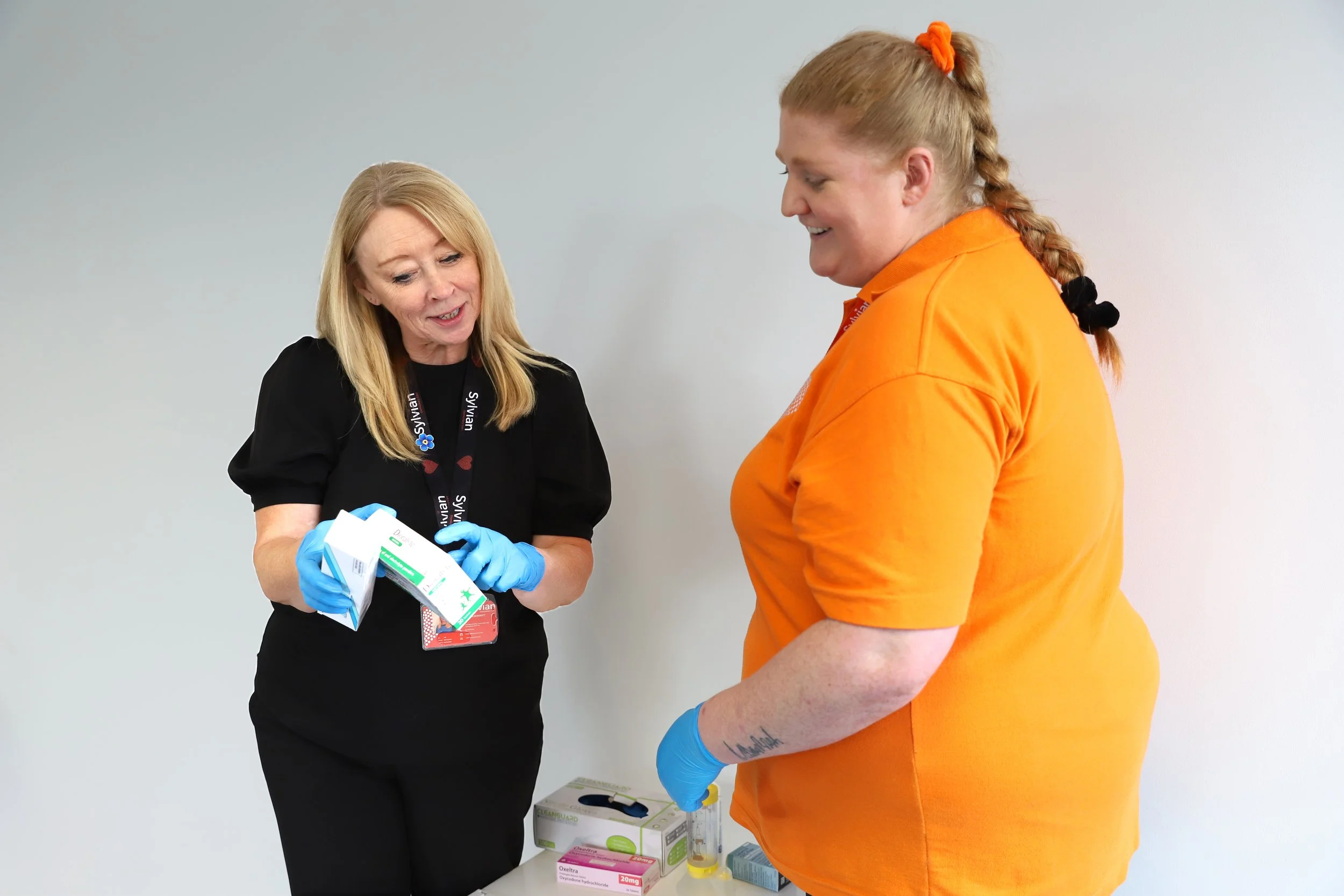
Starting a career in care can feel like a big step, especially if you have never worked in the sector before. The good news is that many people become care assistants with no previous care experience.
In fact, some of the most important qualities in care are not gained from a qualification. They come from who you are as a person: your patience, kindness, reliability, and ability to treat people with dignity.
If you are wondering how to become a care assistant with no experience, this guide explains what the role involves, what skills are useful, and how you can take your first step into care.
Can You Become a Care Assistant with No Experience?
Yes, you can become a care assistant with no experience. Many care providers offer training and support for people who are new to care, as long as they have the right attitude and values.
You do not always need previous care work to apply. Experience in customer service, hospitality, childcare, retail, volunteering, or looking after a family member can all help because they often involve communication, responsibility, empathy, and practical support.
What matters most is that you genuinely want to help people live safely, comfortably, and with dignity.
What Does a Care Assistant Do?
A care assistant supports people with everyday tasks so they can continue living as independently as possible. In home care, this usually means visiting people in their own homes and helping with the things they may find difficult to manage alone.
The role can include:
Helping with washing, dressing, and personal care
Supporting people to get up or settle for the evening
Preparing meals and drinks
Reminding someone to take medication, where appropriate
Providing companionship and conversation
Supporting mobility around the home
Helping with light household tasks
Noticing and reporting changes in wellbeing
Every person is different, so care is not one-size-fits-all. A good care assistant takes time to understand the individual, their routines, and what makes them feel comfortable.
What Qualities Do You Need to Work in Care?
You do not need to be perfect to work in care, but you do need to be dependable and compassionate.
Helpful qualities include:
Kindness and patience
Good listening skills
Reliability and timekeeping
Respect for privacy and dignity
Calmness under pressure
Practical problem-solving
A willingness to learn
The ability to build trust
Care work is personal. You may be supporting someone at a vulnerable moment in their day, so the way you speak, listen, and respond matters just as much as the tasks you complete.
What Training Will You Receive?
If you are accepted for a care assistant role with no experience, your employer should provide training before you start delivering care. The exact training can vary, but it usually covers the key knowledge and practical skills needed to work safely and confidently.
Training may include areas such as:
Safeguarding
Moving and handling
Infection prevention and control
Medication awareness
Health and safety
Food hygiene
Person-centred care
Dementia awareness
Communication and record keeping
You may also shadow experienced care workers before working more independently. This can be one of the most helpful parts of starting out, because it allows you to see how care works in real homes with real people.
Do You Need Qualifications to Become a Care Assistant?
You do not always need formal qualifications to become a care assistant. Many people begin without a care qualification and develop their skills through training, supervision, and practical experience.
Some employers may ask for certain requirements, such as the right to work in the UK, a suitable background check, and the ability to travel between visits if the role involves home care. Specific requirements can vary by employer and role.
Over time, you may have the opportunity to work towards care qualifications or further training, especially if you want to build a long-term career in health and social care.
Is Home Care a Good Place to Start?
Home care can be a rewarding way to begin a career as a care assistant. Instead of working in one setting, you visit people in their own homes and support them with everyday life.
This can give you a strong understanding of person-centred care because you see how much routines, preferences, family relationships, and familiar surroundings matter.
Home care may suit you if you enjoy:
Working with people one-to-one
Building trusted relationships
Having variety in your day
Supporting independence
Making a practical difference in someone’s daily life
It can also be a good fit for people who want meaningful work and are comfortable taking responsibility once they have been trained and supported.
How to Apply for a Care Assistant Job with No Experience
If you are applying for your first care role, focus on your values, transferable skills, and willingness to learn.
In your application, it can help to mention:
Any experience helping others, formally or informally
Customer-facing roles where you supported people
Volunteering, childcare, hospitality, or community work
Times you have shown patience, reliability, or responsibility
Why you want to work in care
Your availability and ability to travel, if relevant
You do not need to pretend you know everything. Care providers hiring new starters are often looking for honesty, warmth, and a clear commitment to learning.
What Is It Like Starting Your First Care Role?
Your first care role can feel both exciting and unfamiliar. That is normal. Good care providers understand that new care assistants need guidance, reassurance, and time to build confidence.
At first, you may spend time learning policies, completing training, meeting colleagues, and shadowing experienced carers. As you grow in confidence, you will begin supporting people more independently while still having a team around you.
Many care assistants say the most rewarding part of the job is knowing they have made someone’s day easier, safer, or less lonely. Small moments often matter: a kind conversation, a well-prepared meal, a calm morning routine, or helping someone feel comfortable in their own home.
Is Care Work Right for You?
Care work is deeply rewarding, but it is also a role with real responsibility. It asks for patience, consistency, and emotional maturity.
It may be right for you if you want work that feels meaningful and human. You need to be comfortable supporting people with personal needs, respecting confidentiality, and adapting to different situations.
If you are kind, reliable, and willing to learn, a lack of experience should not stop you from exploring a care assistant role.
FAQs
Can I become a care assistant without experience?
Yes, many people become care assistants without previous care experience. Care providers often offer training for people who have the right values, attitude, and willingness to learn.
What skills do I need to be a care assistant?
Useful skills include communication, patience, reliability, empathy, timekeeping, and the ability to stay calm. Practical care skills can usually be taught through training and supervision.
Do I need qualifications to work as a care assistant?
Not always. Some care assistant roles do not require formal care qualifications, although employers will have their own recruitment checks, training requirements, and role criteria.
What should I put on a care assistant application with no experience?
Focus on transferable skills, such as helping others, working with customers, volunteering, childcare, family support, reliability, and why you want to work in care.
Is being a care assistant hard?
Care work can be demanding because it involves responsibility, personal support, and emotional awareness. It can also be extremely rewarding for people who enjoy helping others.
Will I get training before working as a care assistant?
A good care provider should provide training before you begin care duties. You may also shadow experienced care workers and receive ongoing support as you build confidence.
Is home care different from working in a care home?
Yes. In home care, care assistants visit people in their own homes, often providing one-to-one support. In a care home, support is delivered in a residential setting.
Why choose a career in care?
A career in care offers the chance to make a real difference to people’s everyday lives. It can also provide opportunities to learn, grow, and build a long-term career in social care.
Looking for care at home for yourself or a loved one? Get in touch with your local Sylvian Care team to talk through your needs and find out how we can help.