
How Many Hours of Home Care Do I Need?
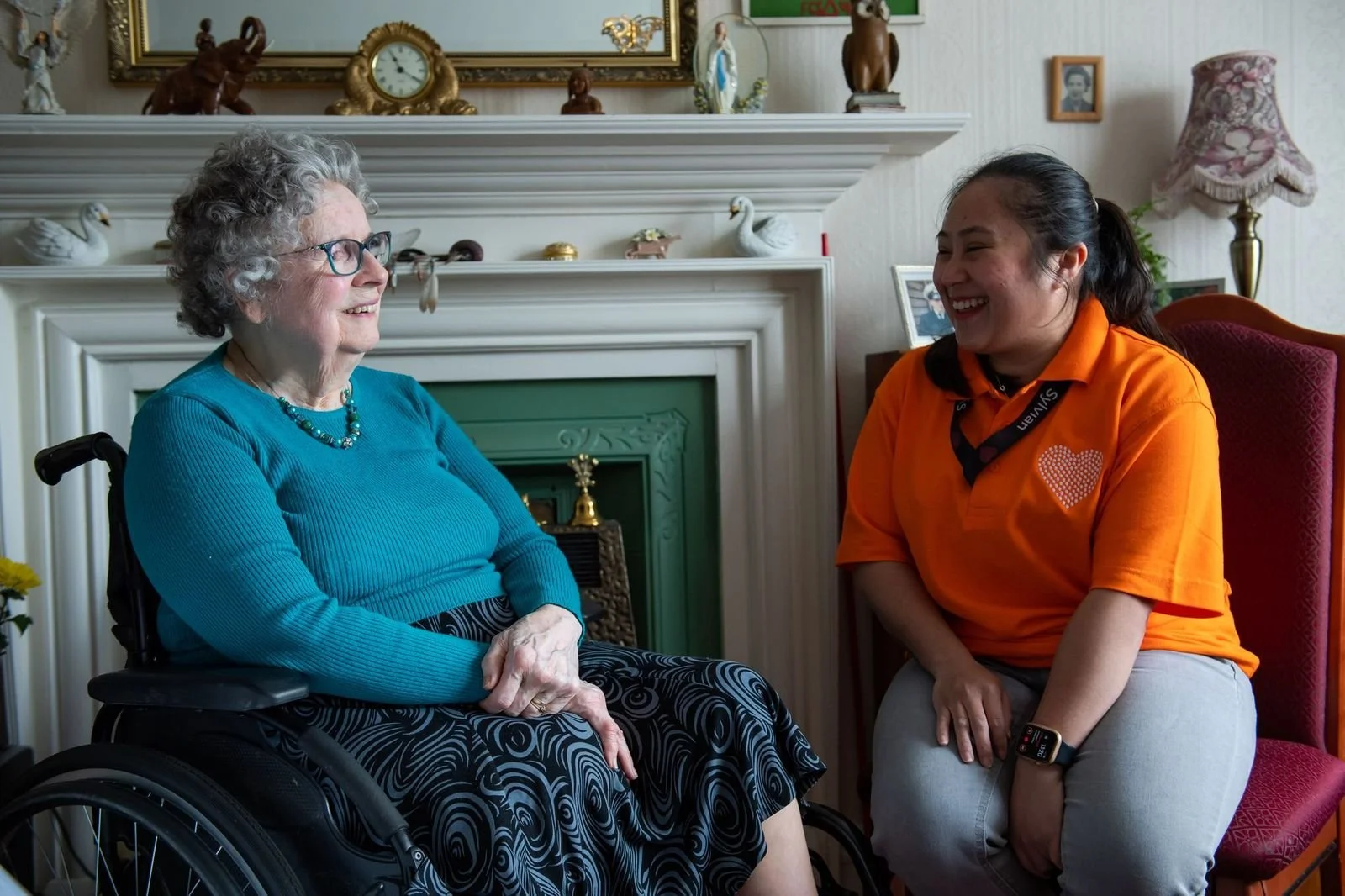
When you first start looking into care at home, one of the biggest questions is often: how many hours of home care do I need?
The honest answer is that it depends on the person, their daily routine, their health, and how much support they already have from family or friends. Some people may only need a few short visits each week. Others may need several visits a day, longer companionship visits, overnight care, or more continuous support.
A good home care plan should be built around real life, not a fixed idea of what care “should” look like. This guide explains what affects the number of care hours needed and how to think through the right level of support.
Why Home Care Hours Vary from Person to Person
Home care is personal. Two people of the same age may need very different levels of support.
One person may be physically well but lonely and struggling with confidence after a bereavement. Another may need daily help with washing, dressing, meals, mobility, or medication reminders. Someone else may manage well most of the time but need extra support after coming home from hospital.
The right number of home care hours depends on what support is needed, how often it is needed, and how safely the person can manage between visits.
Start by Looking at the Daily Routine
A useful way to estimate care hours is to look at the shape of the day.
Think about the times when support would make the biggest difference. For many people, this includes getting up in the morning, preparing meals, taking medication, staying safe during the day, and settling comfortably at night.
You might ask:
Is help needed first thing in the morning?
Is support needed with washing, dressing, or toileting?
Can meals and drinks be prepared safely?
Are medication prompts needed?
Is the person safe moving around the home?
Are they lonely or anxious during the day?
Is help needed before bed?
Are family members providing regular support?
These questions can help identify whether short visits, longer visits, or more frequent care may be suitable.
Common Types of Home Care Visits
Home care can often be arranged in different visit lengths and patterns, depending on the care provider and the person’s needs.
Common examples include:
Short daily visits for medication reminders, welfare checks, or light support
Morning visits to help with getting up, washing, dressing, and breakfast
Mealtime visits to prepare food and drinks
Companionship visits for conversation, outings, hobbies, or emotional support
Evening visits to help someone settle safely for the night
Longer blocks of care for more complex needs or family respite
Overnight care where support is needed during the night
The number of hours needed will depend on how much can realistically and safely be achieved within each visit.
When a Few Hours a Week May Be Enough
Some people only need a small amount of home care, especially in the early stages.
A few hours a week may be helpful for someone who is mostly independent but would benefit from companionship, help with shopping, light household tasks, meal preparation, or reassurance for family members.
This type of support can also work well when the person is beginning to feel isolated or when relatives are helping but need a little extra backup.
Starting with a few hours does not mean care has to stay at that level. It can often be reviewed and adjusted as needs change.
When Daily Home Care May Be Needed
Daily home care may be suitable when someone needs regular support with essential parts of the day.
This might include help with personal care, getting dressed, preparing meals, taking medication, moving safely around the home, or maintaining a routine.
Daily visits can help reduce risk, support independence, and give family members peace of mind that someone is checking in regularly.
For some people, one visit a day is enough. For others, a care plan may include morning, lunchtime, teatime, and evening visits.
When More Intensive Home Care May Be Needed
More intensive home care may be needed when someone has higher support needs or cannot safely manage for long periods without help.
This can include people living with advanced dementia, reduced mobility, complex health needs, high falls risk, or significant anxiety when left alone.
In these situations, care may involve longer visits, several visits each day, waking night care, sleep-in care, or live-in care, depending on the person’s needs and preferences.
The aim is always to provide the right level of support while helping the person remain as comfortable and independent as possible at home.
How Family Support Affects Care Hours
Family support can make a big difference to how many hours of paid home care are needed.
Some families provide daily help with meals, appointments, shopping, medication, or companionship. Others live further away or have work, childcare, or health responsibilities of their own.
When deciding how many hours of home care are needed, it is important to be honest about what family members can realistically manage. Care should not depend on relatives reaching breaking point.
Home care can be arranged to complement family support, giving everyone a clearer routine and more breathing space.
Signs That More Care Hours May Be Needed
Care needs can change gradually, and it is not always obvious when extra support is needed.
Signs that more home care hours may be helpful include:
Missed meals or weight loss
Poor personal hygiene or wearing the same clothes repeatedly
Falls, near misses, or increased unsteadiness
Missed medication or confusion around tablets
Anxiety, loneliness, or distress when alone
A decline in the cleanliness or safety of the home
Family carers feeling exhausted or overwhelmed
Difficulty managing after illness or a hospital stay
If you notice changes like these, it may be time to review the care plan or arrange an assessment.
A Home Care Assessment Can Help You Decide
You do not have to work out the exact number of hours on your own. A home care assessment can help identify what support is needed and how often it should be provided.
During an assessment, a care provider will usually ask about daily routines, health conditions, mobility, medication, personal care, meals, family involvement, and safety at home.
From there, they can recommend a care plan that fits the person’s needs. This might begin with a small amount of support and increase later, or it may involve several visits a day from the start.
Home Care Hours Can Change Over Time
The number of home care hours someone needs is not fixed forever.
Care may increase after a hospital stay, during illness, or as mobility or memory changes. It may reduce if someone regains confidence or if family support becomes more available.
Regular reviews help make sure the care plan still feels right. The best home care is flexible enough to respond when life changes.
FAQs
How many hours of home care do most people need?
There is no single number that suits everyone. Some people need a few hours a week, while others need daily visits, overnight care, or more continuous support.
Is one hour of home care a day enough?
One hour a day may be enough for someone who needs light support with meals, medication reminders, or daily reassurance. Someone with personal care or safety needs may need more.
Can I start with a small amount of home care?
Yes. Many people start with a few hours a week or one daily visit, then adjust the care plan if needs change.
How do I know if my parent needs more home care?
Signs may include missed meals, falls, confusion, poor hygiene, loneliness, missed medication, or family carers feeling overwhelmed.
Can home care include companionship?
Yes. Home care can include companionship, conversation, hobbies, outings, shopping, and emotional support, as well as practical care tasks.
What is the difference between visiting care and live-in care?
Visiting care means a care assistant comes at agreed times during the day or week. Live-in care usually means a carer stays in the home to provide more continuous support.
Will a care provider tell me how many hours are needed?
A home care assessment can help recommend a suitable number of hours based on the person’s needs, routines, safety, and family support.
Can home care hours be changed later?
Yes. Home care hours can usually be reviewed and adjusted if needs increase, reduce, or change over time.
Looking for care at home for yourself or a loved one? Get in touch with your local Sylvian Care team to talk through your needs and find out how we can help.