
Combating Loneliness in Old Age
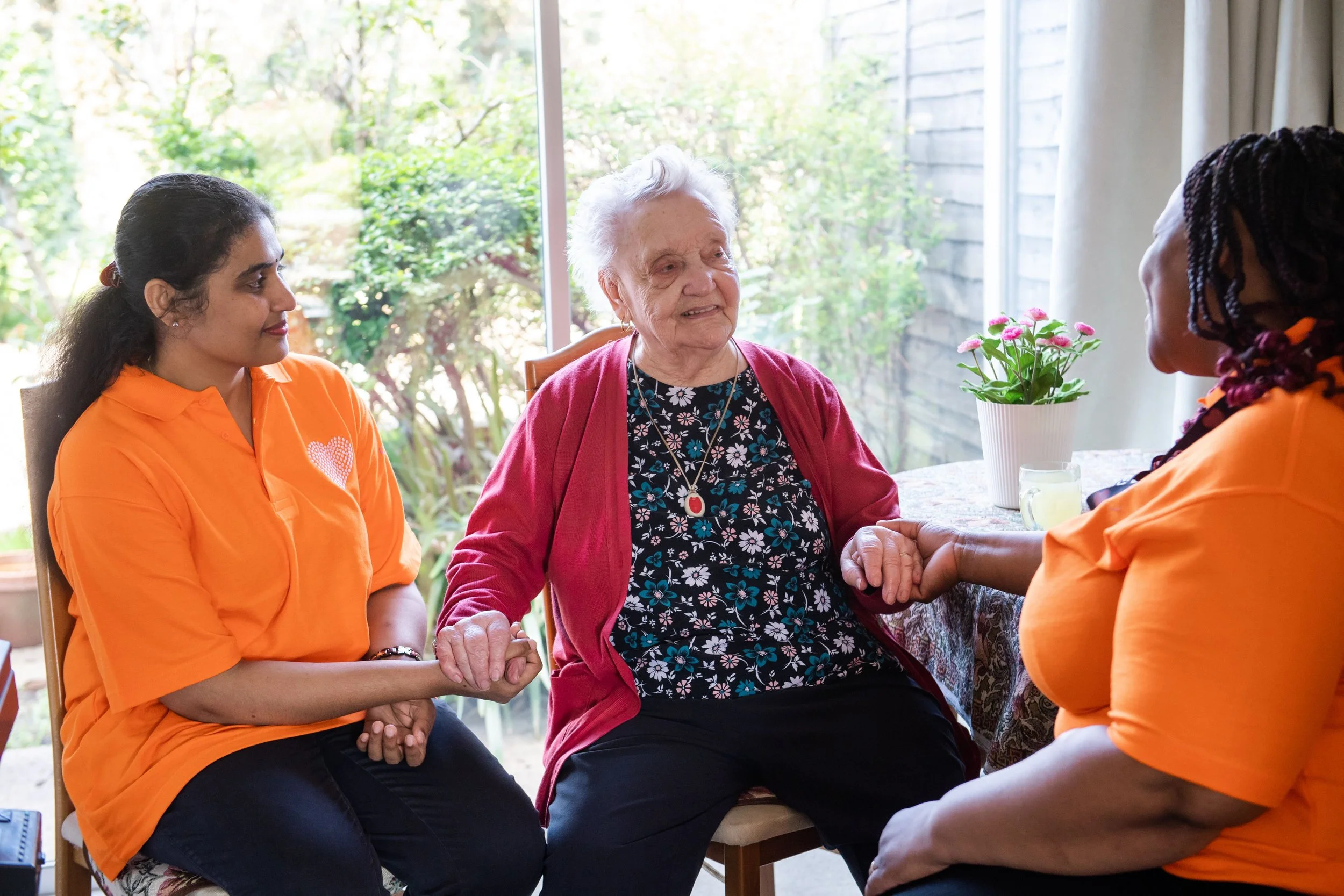
Loneliness can be extremely difficult to overcome. Not only is it often misunderstood, in part because it is not ‘visible’ like a wound or injury, but it is by nature self-fulfilling.
Loneliness naturally causes you to withdraw from other people, which in turn makes you lonelier and more withdrawn.
This cycle makes it harder to reach out for help and support, as you lose confidence in your ability to connect with others.
Elders are particularly at risk of loneliness for a number of reasons, typically due to social and lifestyle factors. Read here about Understanding Loneliness in Old Age. Here are four ways you can combat loneliness and get your spark back.
Unpack Why You Are Lonely
To properly combat a problem such as loneliness, it’s helpful to dig into the deeper causes. When was the last time you spoke to someone in person? Do you have people that you can share plans or life updates with? Many people have no issue striking up small talk in line for the checkout, but this does not provide us with the emotional fulfilment arising from deeper friendships and connections.
Part of unpacking loneliness includes unpacking the shame that accompanies it. People often feel embarrassed to admit they are lonely and are worried they will be judged or seen as weird. It’s important to remember that almost everyone experiences loneliness throughout their life, and that the first step in solving a problem is to acknowledge it.
Invest In a Support Network
If laughter is the best medicine, then support networks are the prescription for loneliness. It’s no secret that humans are innately social creatures.
Support networks can take a variety of forms – they can be familial (through family members), romantic (through a partner) or platonic (through friends and acquaintances). As people grow older these networks inevitably shrink, so it becomes even more important to foster or create new ones.
Try reaching out to a friend or family member – maybe you haven’t spoken in a while or have drifted apart due to life events. If you feel comfortable, tell them that you’re struggling and that you’d like to reconnect, if they’re open to it. Loneliness is much more common than we think – you’d be surprised how many people struggle in silence and are looking to make new connections.
Get Involved in Local Community
There are countless ways to meet new people in old age. Try looking online or on community sites for regular events – coffee meetups, ladies lunches and book clubs are all extremely popular local activities. If you frequent a local café or pub, keep an eye out for other regulars and spark up a conversation - who knows where it could lead?
If there aren’t any organised events near you, why not create your own? Sites such as meetup.com as well as Facebook groups allow you to network and connect with people over a common interest.
Consider A Lifestyle Change
As people grow older, they may gradually become more reclusive and withdrawn. They may not go out as much or go on holidays as often, both due to reduced mobility and a natural social withdrawal. While this is by no means unusual – after all, there aren’t many 80-year-olds partaking in skydives! – withdrawing too much from family and friends puts you at a high risk of loneliness.
Leisure and socialising will look different in old age. Whilst you probably won’t be backpacking in Thailand or going to nightclubs anymore, there are countless cruise lines that cater to older clientele as well as restaurants that provide regular senior meals.
If you find yourself constantly struggling with loneliness, it may be worth considering a different living situation. Are there loved ones you can move closer to?
Loneliness can feel overwhelming at times, but it doesn’t have to be.
Remember that many people live happy and fulfilling lives with the right help and support. If you are worried about yourself or someone else, there are many services you can reach out to.
Helpline numbers
Samaritans – 116 123
The Careline – 0300 772 7756
Age UK – 0800 678 1602
The Silver Line – 0800 470 8090
Written by Luke Donley