
What to Expect from a Job in Home Care: A Complete Guide for Aspiring Carers
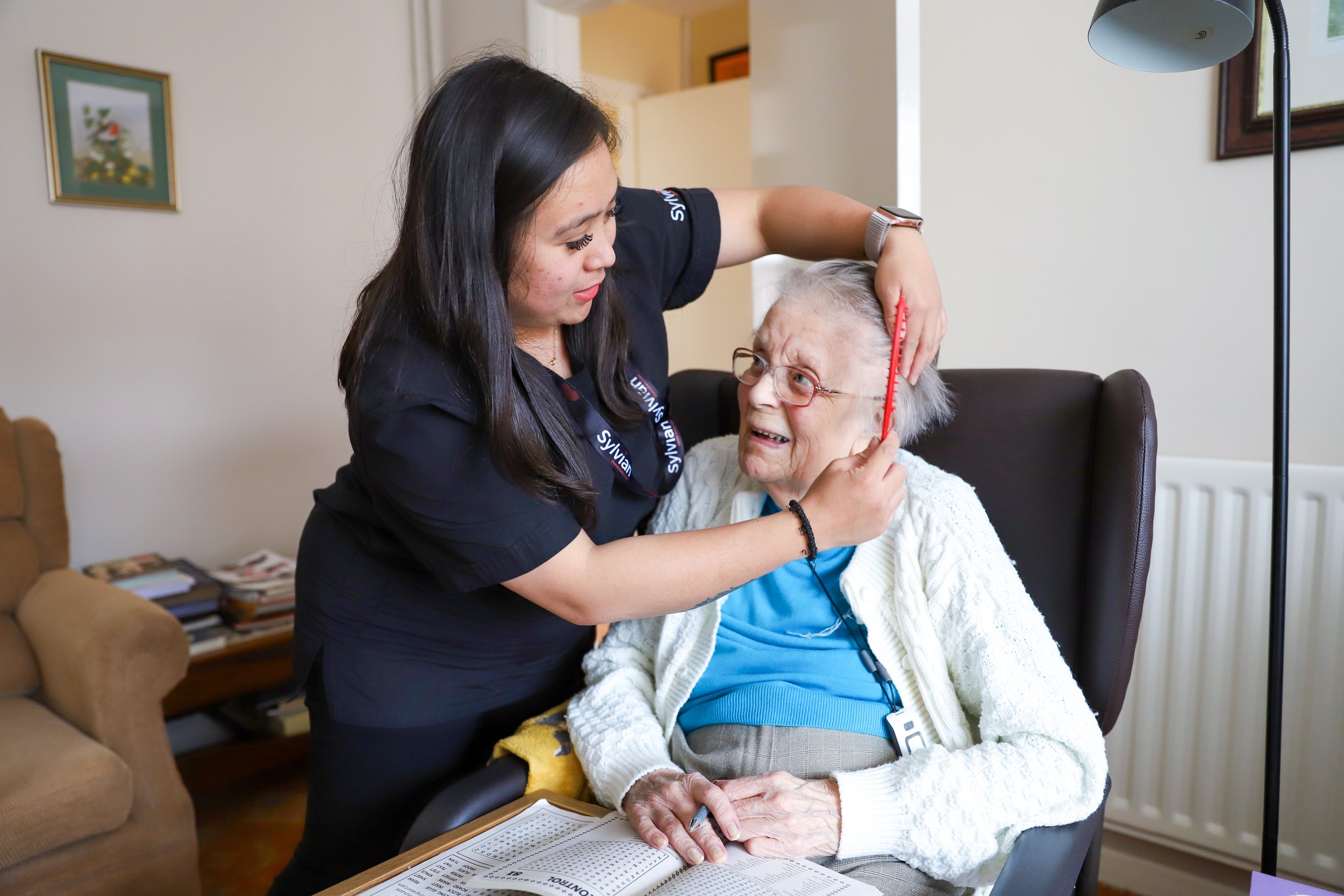
Are you considering a career that makes a genuine difference in people's lives?
A job in home care might be the perfect path for you. Every day, thousands of dedicated care workers across the UK help individuals maintain their independence, dignity, and quality of life in the comfort of their own homes.
But what does a typical day look like? What skills do you need? And is home care the right career choice for you?
In this comprehensive guide, we'll walk you through everything you need to know about working in home care, from the daily responsibilities and qualifications required to the emotional rewards and career progression opportunities that await you.
Understanding the Home Care Industry in the UK
The UK home care sector is experiencing significant growth, driven by an ageing population and an increasing preference for people to receive care in their own homes rather than residential facilities. This expansion has created thousands of opportunities for compassionate individuals looking to build meaningful careers in caregiving.
Home care (also known as domiciliary care) involves supporting people in their own homes with daily activities, personal care, and companionship. Unlike residential care homes, home care workers travel to clients' homes to provide tailored, one-to-one support that respects each person's independence and lifestyle preferences.
At Sylvian Care, we believe that everyone deserves to live with dignity and independence, regardless of their care needs. Our approach is holistic, addressing not just physical requirements but also emotional and social well-being. This philosophy shapes how we support both our clients and our care team.
Day-to-Day Responsibilities: What Does a Home Care Worker Actually Do?
One of the most appealing aspects of home care jobs is the variety. No two days are exactly the same, and you'll work with different clients who each have unique needs, personalities, and preferences.
Personal Care Support
A significant part of home care work involves assisting clients with personal care tasks that help them maintain their dignity and hygiene. This might include:
Helping with washing, bathing, and showering
Supporting with dressing and grooming
Assisting with toileting and continence care
Supporting mobility and transfers (helping clients move safely around their home)
While these tasks require sensitivity and respect for privacy, they're fundamental to helping people maintain their self-esteem and comfort.
Practical Household Support
Home care workers also provide essential domestic assistance that enables clients to live independently:
Preparing nutritious meals and assisting with eating and drinking
Light housekeeping and maintaining a clean, safe environment
Shopping for groceries and essentials
Managing laundry and ironing
Supporting with medication reminders (following proper protocols)
Companionship and Emotional Support
Perhaps one of the most rewarding aspects of home care work is the companionship you provide. Many clients live alone and genuinely look forward to your visits. You might:
Engage in meaningful conversations and active listening
Accompany clients to appointments, social activities, or community events
Support hobbies and interests that bring joy to their lives
Provide reassurance and emotional support during difficult times
Help maintain connections with family and friends
At Sylvian Care, we recognize that companionship isn't just a "nice extra". It's a vital component of holistic care that significantly impacts our clients' quality of life and mental well-being.
Specialized Care
Depending on your training and experience, you may also support clients with specific conditions such as:
Dementia and Alzheimer's disease
Physical disabilities
Mental health conditions
Sensory impairments
Post-operative recovery
Specialized care often requires additional training, but it opens doors to more advanced career opportunities and higher earning potential.
Qualifications and Training: What Do You Need to Get Started?
One of the great things about starting a career in home care is that you don't necessarily need formal qualifications to begin. Many people enter the sector with transferable skills from other roles—customer service, hospitality, parenting, or volunteering—and receive comprehensive training on the job.
Entry-Level Requirements
To start working in home care, you typically need:
A caring, compassionate nature and genuine desire to help others
Good communication skills
Reliability and trustworthiness
Basic literacy and numeracy
A willingness to learn and develop professionally
Most reputable home care agencies, including Sylvian Care, provide thorough induction training that covers essential topics such as:
Health and safety procedures
Infection control and hygiene
Moving and handling techniques
Safeguarding vulnerable adults
Dignity and respect in care
Medication awareness
First aid and emergency procedures
Professional Qualifications
While not always required to start, obtaining formal qualifications can enhance your career prospects and earning potential. The most common qualifications in the UK home care sector include:
Level 2 Diploma in Care: This foundational qualification covers the core knowledge and skills needed for care work. Many employers support staff to complete this qualification while working.
Level 3 Diploma in Health and Social Care: This more advanced qualification is ideal for those seeking supervisory or specialized roles. It demonstrates a higher level of competence and commitment to professional development.
Care Certificate: Introduced in 2015, the Care Certificate is a standardized set of 15 standards that all new care workers should complete during their induction period. It's widely recognized across the health and social care sector.
Ongoing Professional Development
The best home care employers invest in their staff's continuous development. At Sylvian Care, we believe that well-trained, confident carers provide the best quality care. Ongoing training opportunities might include:
Dementia awareness and specialized dementia care
End-of-life and palliative care
Mental health awareness
Nutrition and hydration
Specific condition training (Parkinson's, stroke recovery, etc.)
Salary Expectations and Benefits
Understanding the financial aspects of home care work is important when considering this career path.
Typical Salary Range
According to current UK job market data, home care workers earn an average of approximately £23,000 per year, which translates to around £11.82 per hour. However, salaries vary based on several factors:
Experience level: Entry-level positions typically start at minimum wage, while experienced carers with specialized skills can earn significantly more
Location: Salaries in London and the South East tend to be higher to reflect the cost of living
Hours worked: Many home care positions offer flexible hours, from part-time to full-time arrangements
Specializations: Carers with dementia care, palliative care, or other specialized training often command higher rates
Responsibilities: Senior care assistants, team leaders, and coordinators earn more than entry-level positions
Additional Benefits
Beyond salary, many home care employers offer valuable benefits:
Flexible working patterns that support work-life balance
Mileage reimbursement or company vehicles
Paid training and professional development opportunities
Pension schemes
Holiday entitlement
Career progression pathways
Supportive team environment and regular supervision
At Sylvian Care, we value our care team as the heart of our service. We're committed to offering competitive compensation, comprehensive support, and opportunities for growth because we know that happy, fulfilled carers provide the best care.
The Emotional Rewards: Why People Love Working in Home Care
While salary and benefits are important, many home care workers will tell you that the emotional rewards are what truly make this career special.
Making a Real Difference
Every day, you'll see the tangible impact of your work. Whether it's helping someone maintain their independence, bringing a smile to a lonely person's face, or supporting someone through a difficult health challenge, you'll know that your work matters.
Building Meaningful Relationships
Unlike many healthcare settings where interactions are brief, home care allows you to develop genuine, long-term relationships with clients. You'll get to know their life stories, their families, their preferences, and their personalities. Many carers describe their clients as becoming like extended family.
Variety and Autonomy
Home care work offers variety that keeps each day interesting. You'll work in different homes, support different people, and face new challenges that keep you engaged and learning. You'll also have a degree of autonomy in how you organize your day and approach your work, which many people find empowering.
Personal Growth
Working in home care develops valuable life skills: patience, empathy, problem-solving, communication, and resilience. Many carers find that the role helps them grow as individuals and gain a deeper appreciation for life's important things.
Challenges to Consider
It's important to approach any career with realistic expectations. Home care work, while rewarding, does come with challenges:
Physical Demands
The role can be physically demanding. You'll be on your feet for much of the day, assisting with moving and handling, and traveling between clients' homes. Good physical fitness and proper training in safe techniques are essential.
Emotional Challenges
Working closely with vulnerable people means you'll sometimes face difficult situations. You may support clients through illness, decline, or end-of-life care. While this can be emotionally challenging, good employers provide supervision, support, and debriefing opportunities to help you process these experiences.
Travel Requirements
Home care workers travel to multiple clients throughout the day. Depending on your location and client base, this might involve significant driving or use of public transport. Most employers reimburse travel costs, but it's a factor to consider.
Irregular Hours
While flexibility can be a benefit, home care often involves early mornings, evenings, weekends, and bank holidays—times when clients need support with getting up, going to bed, or meals. If you prefer a standard 9-to-5 schedule, this might be challenging.
What Makes a Successful Home Care Worker?
Not everyone is suited to home care work, and that's okay. The most successful carers typically share certain qualities:
Empathy and Compassion: The ability to understand and respond to others' emotional needs with genuine care and concern.
Patience: Working with people who have complex needs requires patience, especially when tasks take longer or need to be repeated.
Excellent Communication: You'll need to communicate effectively with clients, families, healthcare professionals, and colleagues, adapting your style to different situations.
Reliability: Clients depend on you to arrive when expected. Reliability and punctuality are non-negotiable in this role.
Respect for Dignity: Every client deserves to be treated with dignity and respect, regardless of their circumstances or care needs.
Flexibility: The ability to adapt to changing situations, different home environments, and varying client needs.
Problem-Solving Skills: You'll often need to think on your feet and find creative solutions to challenges.
Professional Boundaries: While building warm relationships is important, maintaining appropriate professional boundaries protects both you and your clients.
Career Progression Opportunities
One of the often-overlooked benefits of home care work is the clear career progression pathway available to ambitious individuals.
Entry-Level to Senior Carer
With experience and additional training, you can progress from a care assistant to a senior care assistant, taking on more complex cases and mentoring newer staff members.
Specialist Roles
Developing expertise in areas like dementia care, palliative care, or learning disabilities can lead to specialist positions with increased responsibility and remuneration.
Supervisory and Management Positions
Experienced carers can move into supervisory roles such as:
Team Leader
Care Coordinator
Field Care Supervisor
Registered Manager
These positions involve overseeing care teams, conducting assessments, managing rotas, and ensuring quality standards.
Related Healthcare Careers
The skills and experience gained in home care can also be a stepping stone to other healthcare careers, such as nursing, occupational therapy, or social work, with appropriate additional training and qualifications.
Working for Sylvian Care: Our Approach to Supporting Our Team
At Sylvian Care, we're a family-run business with a deeply personal approach to care. We understand that our carers are the foundation of everything we do, and we're committed to creating a supportive, rewarding work environment.
Our Values
We believe in:
Empowering independence: Supporting both our clients and our care team to be the best they can be
Personalized approach: Recognizing that every carer, like every client, is unique with individual strengths and preferences
Holistic support: Caring for the whole person—physical, emotional, and social well-being
Community connection: Being part of the local community and making a positive impact
What We Offer Our Care Team
Comprehensive induction and ongoing training
Supportive supervision and regular check-ins
Opportunities for professional development and career progression
A caring, family-oriented work culture
The chance to make a genuine difference in your local community
If you're passionate about helping others and looking for a career that combines purpose with professional growth, we'd love to hear from you.
How to Get Started in Home Care
Ready to explore a career in home care? Here are your next steps:
1. Research Local Opportunities
Look for reputable home care agencies in your area. Check their CQC (Care Quality Commission) ratings, read reviews, and research their values and approach to care.
2. Prepare Your Application
Even without formal care qualifications, highlight relevant experience and transferable skills:
Customer service experience
Volunteering work
Caring for family members
Any roles requiring patience, empathy, and communication
3. Be Ready for the Interview
Home care employers look for genuine compassion and the right attitude. Be prepared to discuss:
Why you want to work in care
How you handle challenging situations
Your understanding of dignity and respect
Your availability and flexibility
4. Complete Required Checks
You'll need to undergo:
DBS (Disclosure and Barring Service) check
Reference checks
Health screening
Right to work verification
5. Embrace the Training
Approach your induction training with enthusiasm and an open mind. This is your foundation for providing excellent care.
Frequently Asked Questions About Home Care Jobs
Do I need experience to work in home care?
No, many people start in home care with no previous experience. What matters most is having the right attitude, compassion, and willingness to learn. Reputable employers provide comprehensive training to equip you with the necessary skills.
What hours will I work as a home care worker?
Home care offers flexible working arrangements, from part-time to full-time positions. Shifts often include early mornings (helping clients get up), midday visits (meal preparation and companionship), and evening calls (helping clients prepare for bed). Weekend and bank holiday work is usually required on a rota basis.
Will I need to drive for a home care job?
While having a driving license and access to a vehicle is advantageous and often preferred, some positions are available for non-drivers in areas with good public transport. However, driving significantly increases your employment opportunities and earning potential.
How long are typical home care visits?
Visit lengths vary depending on client needs, ranging from 30-minute medication calls to several hours of companionship and support. Some carers also provide live-in care, staying with clients for extended periods.
What if I find the work emotionally difficult?
It's natural to find some aspects of care work emotionally challenging. Good employers provide regular supervision, peer support, and access to counseling services. Many carers find that the emotional rewards far outweigh the challenges, and proper support helps you develop resilience.
Can I choose which clients I work with?
While agencies try to match carers with suitable clients based on location, skills, and preferences, you'll typically work with multiple clients. As you gain experience, you may have more input into your schedule and client assignments.
What career progression is available in home care?
Home care offers clear progression pathways from care assistant to senior carer, specialist roles, team leader, care coordinator, and management positions. With additional qualifications, you can also move into nursing, social work, or other healthcare professions.
How does home care work differ from care home work?
Home care involves traveling to clients' homes to provide one-to-one support in their own environment, offering more variety and independence. Care home work is based in one location with multiple residents. Both have their advantages, and the choice depends on your preferences.
What support will I receive as a new home care worker?
Reputable agencies provide comprehensive induction training, shadowing opportunities with experienced carers, regular supervision, ongoing training, and 24/7 on-call support for emergencies or questions.
Is home care work secure and stable?
Yes, the UK home care sector is growing due to demographic changes and increased demand for home-based care. This creates strong job security and numerous opportunities for those in the field.
Your Rewarding Career in Home Care Starts Here
A career in home care offers something truly special: the opportunity to make a meaningful difference in people's lives every single day. While it comes with challenges, the rewards—both emotional and professional—are substantial. You'll develop valuable skills, build genuine relationships, and know that your work truly matters.
Whether you're looking for a complete career change, seeking flexible work that fits around other commitments, or searching for a role with genuine purpose, home care could be the perfect fit.
At Sylvian Care, we're always looking for compassionate, dedicated individuals to join our care team. We provide the training, support, and opportunities you need to build a fulfilling career while making a positive impact in your local community.
Ready to Take the Next Step?
If you're inspired by the prospect of a career in home care and want to learn more about opportunities with Sylvian Care, we'd love to hear from you.
Visit Sylvian Care to explore current vacancies and discover how you can become part of our caring family.
Your journey toward a rewarding, meaningful career starts today. Let's make a difference together.