
The Silent Epidemic: Spotting Loneliness in Old Age
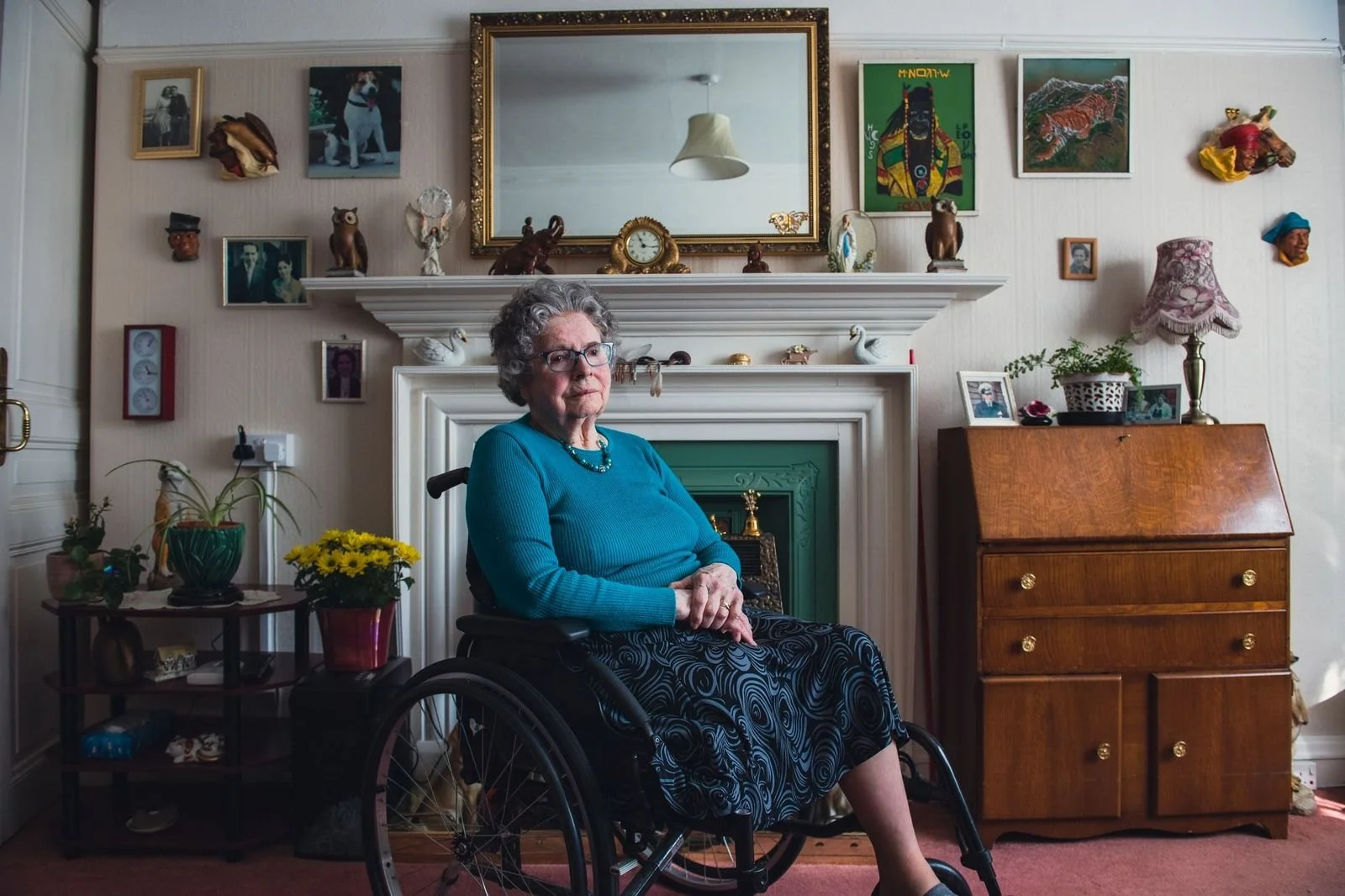
Everyone experiences loneliness at some point in their lives. Whether it’s related to a big life upheaval – such as moving to a new city or starting a new job – or simply due to the ups and downs of life, loneliness is part of being human. Whilst feeling occasionally lonely is natural, however, frequent and constant loneliness can become a major health concern.
Loneliness is so dangerous because it is invisible – compared to a physical wound or injury, ‘lonely’ is not something that can be seen and, as such, often goes unnoticed. Many people may not realise that they are lonely, while some may feel unable to reach out for support. Read here about Combatting Loneliness in Old Age.
All ages can suffer from loneliness, although elderly people are particularly at risk due to lifestyle and social factors. Here are four reasons why elders may be at higher risk than other demographics.
Living Situation
Perhaps unsurprisingly, your living situation can be a big factor in loneliness. It’s no shock that living alone, something typical with widowhood, increases your risk of becoming lonely. Whilst there are countless benefits to solo living – after all, who doesn’t love having free reign over the TV remote? – this can be harmful if not coupled with social interaction outside of the home. In extreme cases, people can spend weeks without speaking to another person.
In addition to this, elderly people are less likely to live in big towns or cities, often residing in suburban outskirts or villages. Despite the benefits of access countryside walks, and a quieter pace of life, a more remote location can mean less opportunity for regular social contact, partially through the loss of third spaces to meet people.
Lifestyle
It’s an unfortunate fact of life that as we get older, our bodies become less agile. Reduced physical mobility means that elders are less able to leave the house, even if they desire to do so. If family and friends aren’t able to visit regularly, this can leave people feeling isolated.
Likewise, retirement can bring a loss of daily structure that can be difficult to replicate, especially if friendships don’t extend beyond work. This can be further exacerbated in today’s technology-driven world, as elders who don’t have phones can be left without a means of connection.
Many people naturally become reclusive in old age, especially if their social circle shrinks and their health declines. While this, again, is by no means unusual, it does increase your risk of loneliness and poor mental health. Isolation can be a self-fulfilling prophecy: if you withdraw yourself from society, this makes you feel lonelier which, in turn, causes you to withdraw more and so on.
Gender Differences
Whilst all elders are at a higher-than-average risk of loneliness, there is some evidence that men may be more at risk than women. This trend can be observed across all age groups and is typically down to social norms and factors.
Men generally tend to have smaller support networks than women, and this shrinking of networks becomes more apparent through age. Whereas women typically foster and maintain female friendships, men may be more likely to rely on partners to fulfil their emotional and social needs.
It’s no surprise that men often struggle particularly in widowhood, as they face the loss of their primary support network.
Social Attitudes
Attitudes towards mental illness have historically not been positive (to put it lightly). Accessing support such as therapy was often stigmatized, meaning people struggled in silence. Certain cultural groups may uphold more stigma than others, and it can be difficult to unpack norms that are culturally ingrained.
Thankfully there is less social stigma today, in part due to media representation and the clinical recognition of mental illness. The effects of loneliness on mental health, for instance, are much more recognised and accepted nowadays.
Despite this, many older generations still hold less modern views on matters such as therapy, associating it with a loss of pride or self-sufficiency. This refusal to reach out for support can be detrimental, worsening loneliness as they suffer in silence.
Loneliness can feel overwhelming at times, but it doesn’t have to be. Read here about Combatting Loneliness in Old Age.
Remember that many people live happy and fulfilling lives with the right help and support. If you are worried about yourself or someone else, there are many services you can reach out to.
Helpline numbers:
Samaritans – 116 123
The Careline – 0300 772 7756
Age UK – 0800 678 1602
The Silver Line – 0800 470 8090
Written by Luke Donley