
Winter can make a small world feel smaller. Dark afternoons, poor weather and slippery paths may stop an older person going to the shops, a club or a friend’s house. Family visits can become less frequent, especially after the Christmas rush, and days that once had a clear rhythm may start to blur together.
Winter loneliness in older people is not always obvious. Someone may sound cheerful on the phone yet go several days without a face-to-face conversation.
Another person may see carers or neighbours regularly but still feel that nobody knows them well. Families can help by noticing changes, asking without judgement and creating dependable opportunities for connection.
Loneliness and social isolation are not quite the same
Social isolation describes having little contact with other people. Loneliness is the painful feeling that the contact or relationships a person wants are missing. The two can overlap, but not always. Some people value plenty of time alone; others feel lonely in a busy room.
This distinction matters because the answer is not simply to fill a diary. A large weekly group may not help someone who misses one trusted friend. A daily care visit can meet practical needs but may still leave a person longing for unhurried conversation. Support works best when it reflects the kind of connection the individual actually wants.
Why winter can intensify loneliness
Cold, rain, ice and early darkness can make familiar outings feel unsafe. Pain, breathlessness, poor vision or reduced confidence may add another barrier. Bus journeys can be harder, and community activities may pause over the festive period. Hearing loss can make telephone calls tiring; limited digital confidence can make family group chats feel inaccessible rather than connecting.
Winter also carries memories. Bereavement, retirement, family changes or the anniversary of a loss can make seasonal traditions difficult. Avoid assuming that somebody is lonely only because they live alone, or that a person surrounded by relatives cannot feel lonely.
Signs an older relative may be feeling lonely
There is no single test, but changes can offer clues:
Phone calls become much longer, more frequent or unusually brief.
They mention having no reason to get dressed or cook.
Usual hobbies, groups or faith activities quietly stop.
Sleep, appetite, personal care or the condition of the home changes.
They seem less confident going out, even when transport is available.
Minor problems become a reason for repeated contact.
They say they feel forgotten, burdensome or disconnected.
These signs can also be linked to depression, bereavement, illness, medication effects or cognitive change. If you are worried about a marked or persistent change, encourage the person to speak to their GP. Seek urgent help if they are in crisis or at immediate risk.
Ask about the day, not just loneliness
“Are you lonely?” can feel exposing and may produce a quick “no”. Try questions that are easier to answer: “Who have you spoken to this week?”, “Which day feels longest?” or “What do you miss doing in winter?” Listen for the shape of the problem before offering solutions.
Do not rush to reassure with “but you have us”. Loneliness is not an accusation against the family. Acknowledge the feeling: “That sounds like a very quiet week.” Being heard can make the next step feel like support rather than a project being imposed.
Create a rhythm of contact people can rely on
Regularity often matters more than length. A ten-minute call every Tuesday and Thursday may be more reassuring than an occasional hour-long conversation. Share the pattern across relatives or friends so it does not depend on one person remembering when work is quiet.
Mix forms of contact. A phone call, doorstep chat, shared meal, short walk and handwritten card each feel different. Where the person enjoys technology, help them use a simple video-call setup, but do not treat digital contact as a complete replacement for being with someone.
Make visits purposeful without making them busy
Conversation can flow more naturally around a small shared activity. Look through photographs, prepare lunch, fold laundry together, listen to a favourite radio programme or choose a birthday card online. The activity is not a distraction from connection; it can restore the comfortable companionship of ordinary life.
Let the older person contribute. Ask for a recipe, an opinion or help with a family story. Always arriving to do tasks can unintentionally position them only as a recipient. Feeling useful, known and included is an important part of belonging.
Remove the practical barriers to getting out
Telling someone to join a group skips the difficult part. They may not know anybody, worry about the toilet, struggle to hear in a noisy room or fear falling on the way there. Ask what would make the first visit manageable.
Offer a warm introduction: find out when the group meets, check accessibility, arrange transport and go with them the first time if they would like that. A GP practice may be able to explain local social prescribing support, and community organisations may offer befriending, telephone friendship, lunch clubs or interest groups. Choice matters; not everyone wants the same kind of activity.
Help protect winter routines
Loneliness can be reinforced when meals, sleep and personal care lose their structure. Agree a reason to start the day: a morning call, a radio programme, breakfast by the window or a short visit. Encourage daylight and safe movement where possible, following any professional advice.
Practical help can create room for social life. If shopping, housework or getting dressed uses all of a person’s energy, they may have little left for a visit or activity. Support with those tasks can be a route back to connection, not merely a list of chores completed.
How companionship care can help
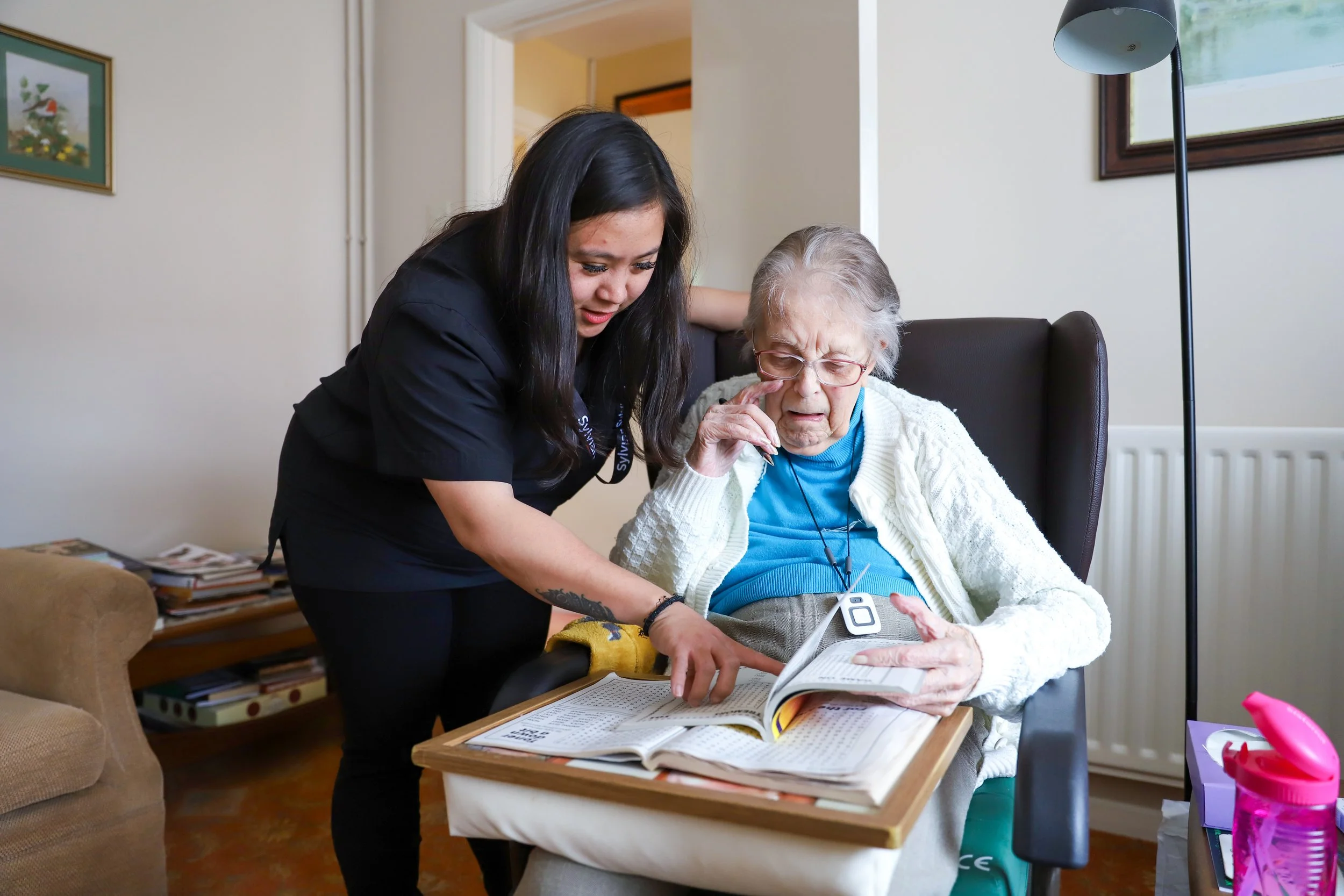
Companionship care offers planned, one-to-one contact shaped around the person. A care professional might share a meal, go for a walk, support a hobby, accompany someone to an appointment or help them attend a local activity. Consistent visits can also help rebuild confidence after illness, bereavement or a period of staying indoors.
Good companionship is not forced cheerfulness. It respects quiet moods, personal history and preferred routines. It can sit alongside personal care or practical home support, giving families reassurance that their relative has meaningful contact between family visits.
When loneliness needs wider support
If an older person has lost interest in everything, seems persistently low, is neglecting themselves or expresses hopelessness, do not assume company alone will resolve it. Encourage them to talk to their GP or another healthcare professional. NHS 111 can help with urgent health concerns; call 999 if there is an immediate danger to life.
For many people, however, the first helpful change is modest: a predictable call, somebody to go with them, a meal shared without rushing. Winter loneliness is rarely solved in one gesture. It softens when contact becomes trustworthy, personal and part of the week.
Frequently asked questions
Why are older people more likely to feel lonely in winter?
Poor weather, early darkness, health conditions, reduced mobility and transport difficulties can limit social contact. Seasonal closures, bereavement and disrupted routines may also make winter feel particularly quiet.
How can I tell if an elderly parent is lonely?
Notice changes in calls, appetite, sleep, personal care, hobbies and confidence going out. The clearest approach is to ask gently about their week, who they see and what they miss.
What is the best way to help an older person who feels lonely?
Start by listening. Then agree regular contact that suits them and address practical barriers to activities or visits. A dependable small plan is often more helpful than a one-off outing.
Can someone be lonely even if they receive home care?
Yes. Practical contact does not always meet a person’s need for companionship or close relationships. Care visits can include meaningful conversation and activities, while family and community connections remain important.
What does companionship care include?
Companionship care may include conversation, shared meals, walks, hobbies, shopping, appointments and support to attend community activities. It should be tailored to the person’s interests and abilities.
Should I contact a GP about loneliness?
Speak to a GP if loneliness is persistent or accompanied by low mood, anxiety, withdrawal, self-neglect, sleep or appetite changes. Seek urgent help if the person is in crisis or at immediate risk.
How often should I call an older relative who lives alone?
There is no universal number. Agree a pattern that feels welcome and dependable, taking account of other contact they receive. Short, regular calls can be more supportive than occasional long ones.
Talk to Sylvian Care
Looking for care at home for yourself or a loved one? Get in touch with your local Sylvian Care team to talk through your needs and find out how we can help.