
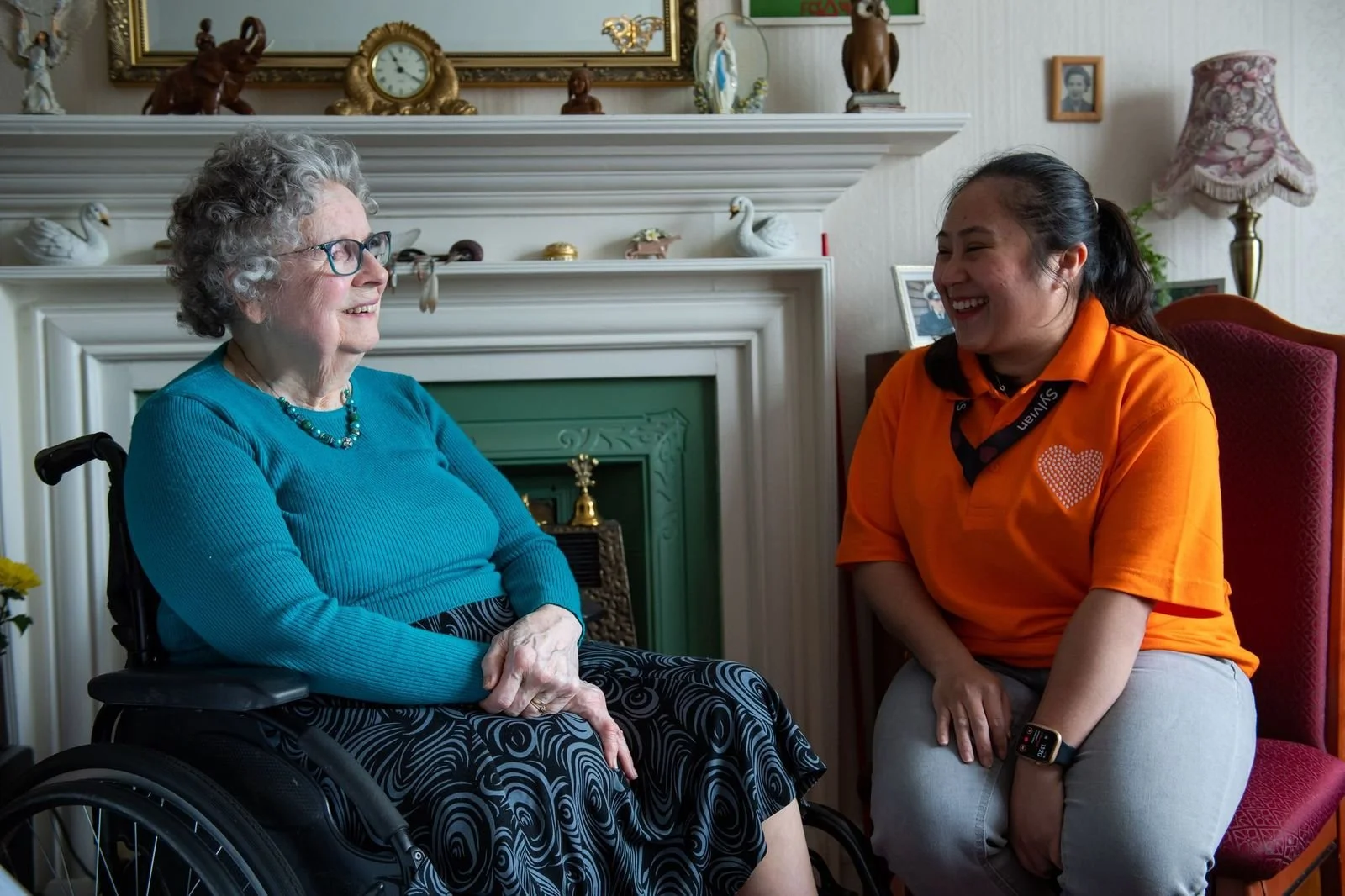
The festive period often gives families a closer look at how an older parent is managing. You may notice Mum holding the furniture as she walks, losing track of medication or becoming exhausted by a meal she once prepared easily. None of these moments automatically means that she can no longer live independently. They do suggest that the current arrangement deserves a fresh look.
New year elderly care planning is most useful when it is calm, specific and led by the person who may need support. It is not a family verdict delivered after Christmas.
It is a practical review of what is working, what has become difficult and what small changes could make home life safer and easier.
Why January can reveal a change in care needs
Families may spend longer together over Christmas than at other times of year. This can reveal the gap between a reassuring phone call and the effort involved in getting through the day. Winter can also make existing difficulties more visible: cold weather affects mobility, darker evenings reduce confidence and disrupted routines can expose memory problems.
Try not to draw a conclusion from one untidy room or one tired afternoon. Look for patterns. A useful review combines what you observed with what your parent says and, where appropriate, input from the people who support them regularly.
Signs that current support may need reviewing
Changes can appear in ordinary details rather than a single crisis. Possible signs include:
Meals being skipped, food spoiling or noticeable changes in appetite or weight.
Missed, duplicated or confused medication doses.
Difficulty washing, dressing, using the toilet or changing bed linen.
New bruises, falls, unsteadiness or reluctance to move around the home.
Unopened post, unpaid bills or appointments being forgotten.
Withdrawal from hobbies, friends or usual conversations.
A family carer appearing exhausted, anxious or unable to leave the person alone.
The home becoming unusually cold, cluttered or poorly maintained.
Some changes may have a medical cause. Sudden confusion, weakness, breathlessness, severe pain or another abrupt deterioration should not wait for a care-planning meeting. Seek timely medical advice, using NHS 111 for urgent concerns and 999 for life-threatening emergencies.
Start the conversation without taking over
The phrase “You need care” can sound like a decision has already been made. Begin with something you have noticed and an open question: “You seemed tired after getting dressed. Is that happening often?” or “What part of the morning feels hardest at the moment?” This gives your parent room to explain.
Choose a quiet time, not the middle of a family gathering. Avoid presenting a list of failings. Ask what they want to keep doing for themselves, what they would happily hand over and what a good week at home would look like. Independence is not the absence of support; often it is having the right help to keep making everyday choices.
Review a week, not just a single task
Care needs rarely fit neatly into “can” or “cannot”. Mum may be able to shower but feel too tired to make breakfast afterwards. She may manage medication when the routine is familiar but struggle after a prescription changes. Review the sequence of the day and the variation across a week.
Consider mornings, meals, medication, housework, shopping, appointments, mobility, personal care, sleep and social contact. Note what is difficult, how often it happens and what currently fills the gap. This turns a vague worry into information that can guide a useful care conversation.
Check whether family support is still sustainable
Many care arrangements work because a relative quietly absorbs more tasks over time. A weekly food shop becomes daily calls, lifts to appointments and evening medication checks. If the plan depends on one person never being ill, delayed or tired, it is not a resilient plan.
Include the family carer’s needs in the review. A carer’s assessment through the local council can consider the impact of caring and what support may help. Bringing in paid care does not erase the family’s role; it can allow relatives to spend more time as daughters, sons, partners or friends rather than always completing tasks.
Match support to the actual pressure points
More care is not always the answer. Better-timed care may be. A short morning visit could help with washing, dressing and breakfast. An evening visit might support medication, a light meal and safe preparation for bed. Companionship may matter most for someone who is physically capable but isolated and losing confidence.
Other options can sit alongside home care: a personal alarm, equipment or adaptations, meal services, community groups, transport support, pharmacy advice or an occupational therapy assessment. The strongest plan uses the least intrusive combination that meets the person’s needs safely.
Know when to request a care needs assessment
Anyone who appears to need help with day-to-day living can ask their local council for a care needs assessment. The assessment is free and looks at tasks such as washing, dressing, preparing food and moving safely. It may identify care, equipment, home adaptations or community support that could help.
If your parent already has a council care and support plan, they can ask for a review when their circumstances change or the plan is no longer meeting their needs. They do not have to wait quietly for the next scheduled review. Funding decisions involve a separate financial assessment, so avoid promising that a particular service will be council funded before that process is complete.
Turn observations into a simple care brief
Before speaking to a home care provider, write down:
What matters to your parent and what they want to continue doing themselves.
The tasks that are difficult, unsafe or taking too much energy.
The best and hardest times of day.
Relevant routines, communication needs and cultural or dietary preferences.
Mobility equipment, medication support and known risks.
Who is involved already and how information should be shared.
This is not a substitute for a professional assessment. It gives the conversation a person-centred starting point and helps prevent the loudest family concern from overshadowing your parent’s own priorities.
Try support, then review how it feels
A care plan should be a working arrangement, not a permanent label. Agree what the support is intended to improve: perhaps regular meals, safer mornings or more confidence leaving the house. Decide when you will review it and who will ask for feedback.
Look at outcomes as well as completed tasks. Is your parent less tired? Are they eating more regularly? Does the family carer have dependable time off? Does the person feel listened to by the care team? If the timing, approach or level of support is wrong, raise it early and adjust the plan.
A kinder way to think about new year care planning
January does not need to become a deadline for a dramatic decision. It can be a useful pause: a chance to notice what has changed and put support in place before a manageable difficulty turns into a crisis.
The right question is not, “Can Mum cope?” It is, “What would help Mum live the life she wants at home, safely and with less strain?” That question leads to a plan built around the person, not simply the family’s worry.
Frequently asked questions
How often should an elderly person’s care plan be reviewed?
A formal council care and support plan is usually reviewed after support begins and then at least annually. A review can be requested sooner if needs, health, circumstances or the suitability of the support change.
What are the first signs that Mum may need more help at home?
Look for patterns such as missed meals or medication, difficulty with personal care, falls, a colder or less well-kept home, withdrawal from usual activities or growing reliance on one family carer.
How do I talk to an older parent who does not want care?
Choose a calm moment, describe a specific observation and ask what would make that task easier. Focus on the person’s goals and offer choices. Avoid presenting care as a decision the family has already made.
What can home care help an older person with?
Home care may include personal care, dressing, meal preparation, medication prompts, mobility support, companionship, shopping and help maintaining daily routines. The exact service should follow an assessment.
How do I arrange a care needs assessment?
Contact the adult social care department of your parent’s local council and request a care needs assessment. The assessment is free. Your parent can have a relative, friend or advocate present if they wish.
Does needing home care mean Mum has lost her independence?
No. Well-planned support can protect independence by helping someone continue living at home, make their own choices and use their energy for the parts of life that matter to them.
Talk to Sylvian Care
Looking for care at home for yourself or a loved one? Get in touch with your local Sylvian Care team to talk through your needs and find out how we can help.