
Respite Care at Home: How It Works
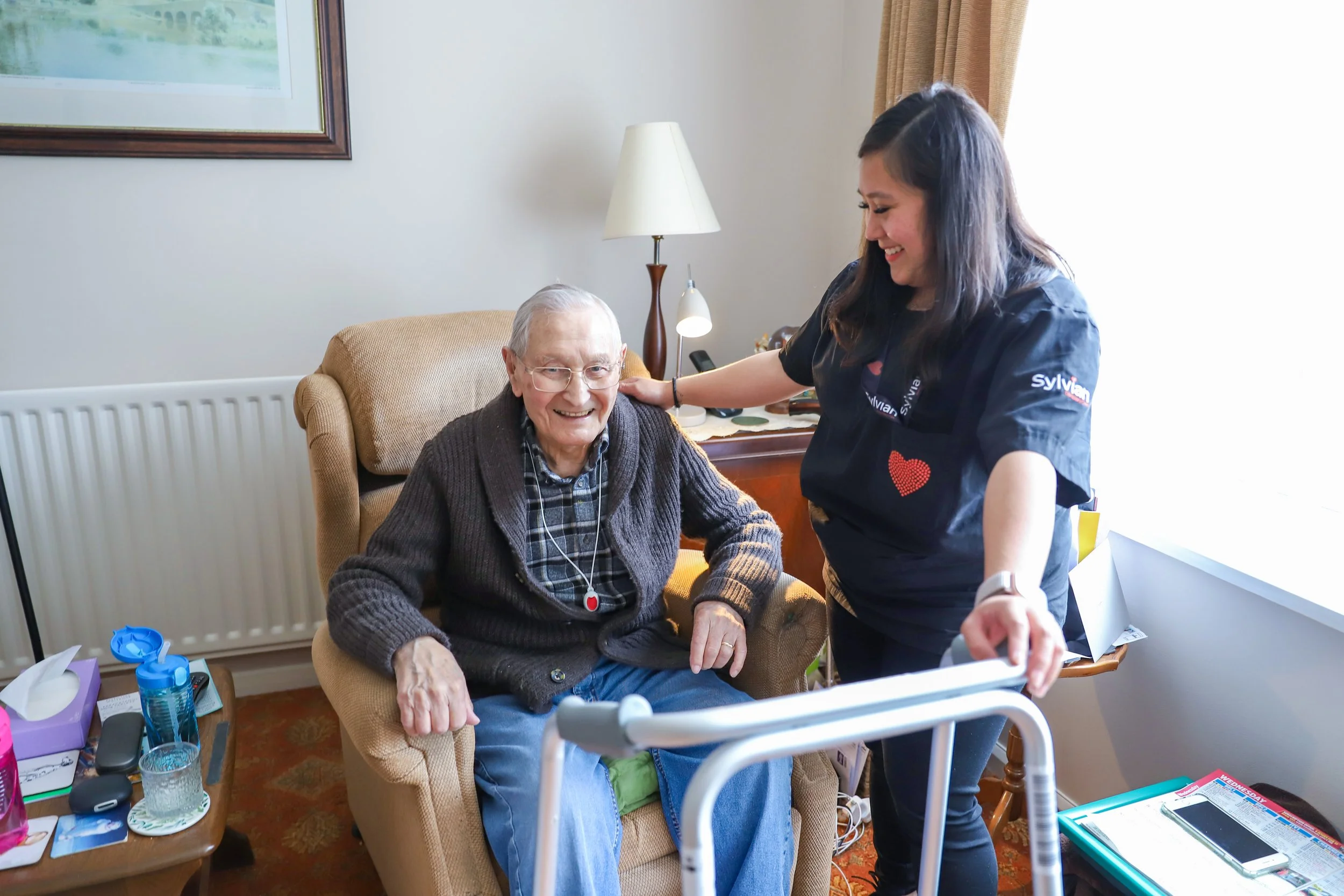
Caring for a loved one is one of the most meaningful things you can do. It can also be physically demanding and emotionally exhausting. Whether you’re supporting an elderly parent, a spouse, or another family member, everyone needs time to rest and recharge.
That’s where respite care at home can make a real difference.
At Sylvian Care, we understand how important it is for both clients and family carers to feel supported. In this guide, we explain exactly how respite care at home works, who it’s for, and how it can help your whole family.
What Is Respite Care at Home?
Respite care at home is short-term, temporary care provided in a person’s own home, designed to give a regular carer a break.
Unlike residential respite care, where your loved one would move into a care home for a short stay, in-home respite care allows them to remain in the comfort and familiarity of their own surroundings.
Respite care can be arranged for:
A few hours a week
A full day
Overnight care
Several days or weeks (for example, during a holiday or after a hospital discharge)
The care is tailored to the individual’s needs and delivered by a trained, compassionate care professional.
How Does Respite Care at Home Work?
Respite care is designed to fit seamlessly into your existing routine. Here’s what you can typically expect.
1. Initial Consultation and Care Assessment
The process begins with a friendly, no-obligation consultation. We take the time to understand:
Your loved one’s health conditions and mobility
Their daily routines and preferences
Medication requirements
Personal care needs
Any specialist support required (such as dementia care)
We also speak with the primary carer to understand what kind of break is needed and for how long.
This ensures that respite care is not just a substitute — but a smooth continuation of trusted support.
2. Personalised Care Plan
Following the assessment, we create a bespoke care plan that outlines:
The type of support required
The schedule and duration of care
Emergency contact information
Risk assessments and safeguarding considerations
Every detail is carefully considered so your loved one feels safe, respected and comfortable.
3. Professional Care Delivered at Home
During the respite period, a trained care professional provides support that may include:
Personal care (washing, dressing, toileting)
Medication assistance
Meal preparation and hydration support
Companionship and conversation
Light housekeeping
Support with mobility
Dementia or specialist care
Importantly, respite care is not just about practical tasks. It’s about maintaining dignity, independence, and emotional wellbeing.
4. Regular Communication and Updates
We understand that stepping away can feel difficult for family carers. That’s why communication is key.
Our team keeps you informed, providing reassurance that your loved one is comfortable and well cared for. You can relax knowing they are in capable, compassionate hands.
Who Is Respite Care Suitable For?
Respite care at home is suitable for:
Family carers needing a short break
Carers planning a holiday
Situations where the main carer is unwell
Emergency cover
Trial periods before longer-term care
Individuals recovering after hospital discharge
It is particularly beneficial for those living with long-term conditions such as dementia, Parkinson’s disease, or reduced mobility, where consistency and familiarity are vital.
The Benefits of Respite Care at Home
Choosing respite care at home offers several important advantages.
Comfort and Familiarity
Remaining at home reduces stress and confusion, particularly for those with memory-related conditions.
Reduced Disruption
Daily routines stay largely the same, supporting emotional stability and wellbeing.
Peace of Mind for Family Carers
Knowing your loved one is safe allows you to rest properly — not worry from a distance.
Flexible and Adaptable
Respite care can be adjusted as circumstances change, whether you need additional hours or ongoing support.
How Long Can Respite Care Last?
Respite care is highly flexible. It can last:
A few hours
Overnight
A weekend
Several weeks
Some families use respite care regularly — for example, one afternoon each week — to prevent carer burnout. Others arrange it occasionally for specific events or holidays.
There is no “right” amount of time. What matters is finding the balance that supports both the carer and the person receiving care.
Is Respite Care the Same as Home Care?
Respite care is a type of home care, but with a specific purpose: to temporarily replace or support the primary carer.
Many families find that after experiencing respite care, they feel more confident about introducing regular home care services if and when they need them.
When Should You Consider Respite Care?
You might benefit from respite care if:
You feel exhausted or overwhelmed
You haven’t had time off in months
You’re struggling to balance care with work or family life
Your own health is being affected
Taking a break is not a sign of failure. It’s an important part of being a sustainable, long-term carer.
Compassionate Respite Care from Sylvian Care
At Sylvian Care, we provide flexible, high-quality respite care at home designed around your family’s needs.
Our carefully selected care professionals are trained, experienced, and committed to delivering person-centred care with warmth and dignity. Whether you need a few hours’ support or longer-term cover, we are here to help.
Ready to Arrange Respite Care?
If you’re considering respite care at home for yourself or a loved one, we’re here to guide you through every step.
Contact your local Sylvian Care office today for a friendly, no-obligation conversation about how we can support you.