
Can Working in Care Build Your Confidence and People Skills?
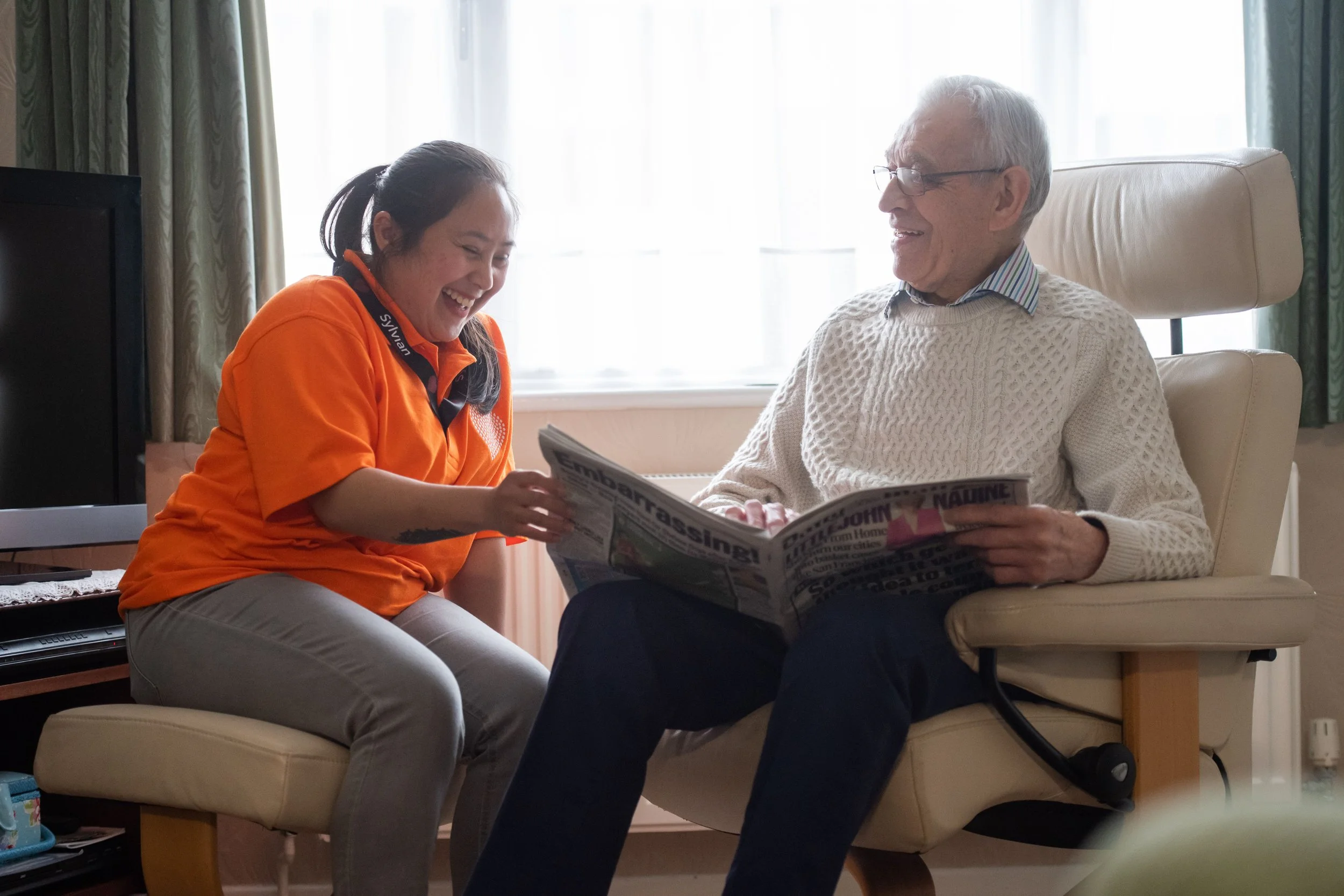
Starting a job in care can feel like a big step, particularly if you are returning to work, changing careers or entering a professional environment for the first time.
You may wonder whether you will know what to say, how to handle unfamiliar situations or whether you are confident enough for the role. These are understandable concerns, but confidence does not have to come before you begin. It can grow through training, experience and the relationships you build.
The skills gained from care work extend far beyond completing everyday tasks. Care Professionals learn how to listen, communicate clearly, solve problems and support people with patience and respect. These abilities can strengthen both your working life and your confidence outside work.
What skills do you learn working in care?
Care work is centred on people. Every visit requires a Care Professional to notice, listen, respond and adapt to the individual they are supporting.
Some of the main care assistant skills developed through the role include:
Verbal and non-verbal communication
Active listening
Empathy and emotional awareness
Time management
Problem-solving
Teamwork
Reliability
Professional judgement
Observation and attention to detail
Remaining calm under pressure
Some of these abilities may already come naturally to you. Others become stronger through practical experience and support from colleagues.
How can working in care build confidence?
Professional confidence is not about having every answer or never feeling uncertain. It means trusting your training, understanding your responsibilities and knowing when to ask for help.
Care Professionals regularly make a positive difference through seemingly small actions. Helping someone prepare for the day, listening to their concerns or supporting them to enjoy a favourite activity can all have a meaningful effect.
Seeing that difference can build confidence over time. You begin to recognise that your presence, decisions and communication matter.
Becoming comfortable in new situations
No two care visits are exactly the same. People have different personalities, routines, needs and ways of communicating.
At first, adapting to these differences may feel unfamiliar. With experience, you learn how to introduce yourself, start conversations and understand what helps each client feel comfortable.
You also learn that it is acceptable to pause, check the care plan or contact a colleague when you need guidance. Knowing how to respond safely is more important than pretending to know everything.
Recognising your own abilities
People sometimes enter care without realising how many valuable skills they already possess.
Experience from raising a family, supporting a relative, working in hospitality or dealing with customers can all be relevant. Patience, reliability, organisation and the ability to make someone feel at ease are important strengths in care work.
Training helps you apply these qualities in a professional setting. As your experience grows, you may begin to see your abilities differently and recognise opportunities for further development.
Taking on greater responsibility
As Care Professionals become more experienced, they may be trusted with a wider range of responsibilities appropriate to their role and training.
This could include supporting a newer colleague, contributing observations to a care review or developing knowledge in a particular area of care. Each step can provide further evidence that you are capable of learning and progressing.
Developing communication skills through care work
Strong communication is one of the most important skills gained from care work. It helps clients feel heard, keeps families informed and supports safe teamwork.
However, good communication is not simply about talking confidently. It also involves knowing when to listen.
Active listening
Clients may want to talk about their needs, routines, worries or memories. Giving someone your full attention can help build trust and may reveal information that affects their care.
Active listening means avoiding assumptions and checking that you have understood correctly. It can be particularly important when someone finds it difficult to explain how they are feeling.
Adapting how you communicate
A communication style that works well for one person may not suit another.
Some clients may need additional time to respond. Others may communicate through facial expressions, gestures or changes in behaviour. A person living with dementia may benefit from clear language, gentle prompts and one idea at a time.
Learning to adapt can make you a more patient and thoughtful communicator in every part of life.
Handling sensitive conversations
Care Professionals may need to discuss private or emotional subjects while protecting the client’s dignity.
This teaches you how to choose respectful language, maintain appropriate boundaries and remain calm when someone is upset. It also helps you learn when information should be shared with a senior colleague.
These communication skills can be valuable in almost any professional environment.
How care work strengthens your people skills
Working in care brings you into contact with clients, relatives, colleagues and other professionals. Each person may have different concerns and expectations.
Learning to build positive working relationships across these groups can develop a high level of emotional intelligence.
Understanding different perspectives
Care work encourages you to see situations from another person’s point of view.
A client who refuses support may be feeling embarrassed, frightened or concerned about losing their independence. A relative who asks frequent questions may be anxious about someone they love.
Understanding the feelings behind a response does not mean ignoring boundaries or procedures. It helps you communicate in a calmer and more constructive way.
Building trust
Trust develops through consistent actions. Arriving when expected, listening to preferences and following through on commitments all show a client that they can rely on you.
Building that trust can be particularly rewarding for someone who initially doubts their people skills. It shows that communication is not about being naturally outgoing. Quietness, patience and consistency can be equally valuable.
Learning to work with different personalities
You do not need to have the same interests or personality as every client and colleague. Care work teaches you how to find common ground while respecting differences.
Over time, this can make unfamiliar conversations feel easier and help you become more comfortable around people from different backgrounds and generations.
Problem-solving and decision-making in care
Another benefit of working in care is learning to think practically.
Care Professionals follow agreed care plans, training and workplace procedures. Within those boundaries, they may still need to respond to day-to-day changes.
A client may feel less energetic than usual, an expected item may not be available or a routine may need adjusting. The Care Professional must observe what is happening, consider the available options and know when to ask for support.
This experience can develop:
Clear thinking
Initiative
Attention to detail
Prioritisation
Appropriate professional judgement
Confidence in reporting concerns
Good decision-making in care includes understanding the limits of your role. Asking a manager for advice is a sign of responsibility, not a lack of confidence.
Learning to stay calm under pressure
Care can involve emotional or unexpected moments. A client may become distressed, a relative may be worried or plans may change at short notice.
Training and experience help Care Professionals focus on what the person needs and what action is appropriate. Remaining calm can reassure the client while giving you space to think clearly.
This does not mean becoming unaffected by difficult situations. It means developing healthy ways to respond, reflect and seek support when needed.
Knowing that you have handled a challenging moment professionally can significantly strengthen your confidence.
Skills from care work that transfer to other roles
The skills you learn working in care can support progression within social care and remain useful if your career later moves in another direction.
For example:
Communication skills can support customer service and team leadership.
Observation skills can help with quality and compliance work.
Time management can be valuable in coordination and administration.
Mentoring experience can support training or supervisory roles.
Problem-solving can transfer to almost any workplace.
Emotional awareness can strengthen management and relationship-building.
Within care, these skills may support progression into senior care, supervision, care coordination, training or management.
There is no single route that everyone must follow. Some people want to progress into leadership, while others prefer to deepen their experience in client-facing care.
Do you need to be naturally confident to work in care?
You do not need to be the loudest person in the room or feel comfortable in every situation from your first day.
Some excellent Care Professionals are naturally quiet. Their strengths may include careful listening, patience and the ability to make clients feel relaxed.
What matters is being willing to learn, communicate respectfully and provide dependable support. A responsible care employer should provide training, guidance and opportunities to ask questions as you become familiar with the role.
Confidence usually grows through preparation and repeated experience. The conversation that feels difficult during your first week may feel natural several months later.
The wider benefits of working in care
Alongside practical career skills, care work can change how people see themselves.
It may help you become more:
Comfortable starting conversations
Confident around unfamiliar people
Aware of other people’s feelings
Patient when communication takes time
Willing to ask questions
Calm when plans change
Certain of the value you bring to a team
The work can be demanding, and it is important to have realistic expectations. However, it can also provide a strong sense of purpose and personal development.
You are not simply learning how to carry out a role. You are learning how to support people with professionalism, dignity and compassion.
FAQs
What skills are gained from care work?
Care work can develop communication, active listening, empathy, organisation, teamwork, problem-solving and professional judgement. It can also strengthen confidence and emotional awareness.
Can working in care improve my communication skills?
Yes. Care Professionals learn to communicate with clients, relatives, colleagues and other professionals. They also learn to adapt their approach when someone needs more time or communicates non-verbally.
Do I need experience to start working in care?
Requirements vary between employers and positions. Transferable qualities such as patience, reliability and compassion can be valuable, with role-specific knowledge developed through training and support.
Do I need to be outgoing to become a Care Professional?
No. Care Professionals need to communicate clearly, but they do not need to be naturally outgoing. Being a calm, patient and attentive listener can help clients feel comfortable and respected.
What are the most important care assistant skills?
Important skills include compassion, reliability, communication, observation, time management and respect for each person’s choices. Knowing when to seek guidance is also essential.
How does care work build confidence?
Confidence grows as you complete training, build trusted relationships and learn to manage different situations. Positive feedback and seeing the difference your support makes can also help.
Are skills from care work transferable?
Yes. Communication, organisation, teamwork, emotional intelligence and problem-solving are relevant to many other roles. They can also support career progression within social care.
What are the personal benefits of working in care?
People may gain confidence, stronger communication skills, greater patience and a clearer sense of purpose. Care work can also help someone recognise abilities they did not previously realise they had.
A role in care can help you develop professionally while making a meaningful difference in someone’s life. Explore career opportunities with Sylvian Care and take the next step towards work that builds both practical skills and personal confidence.