
Havering Care Homes in Upminster: Exploring the Right Care for Your Loved One
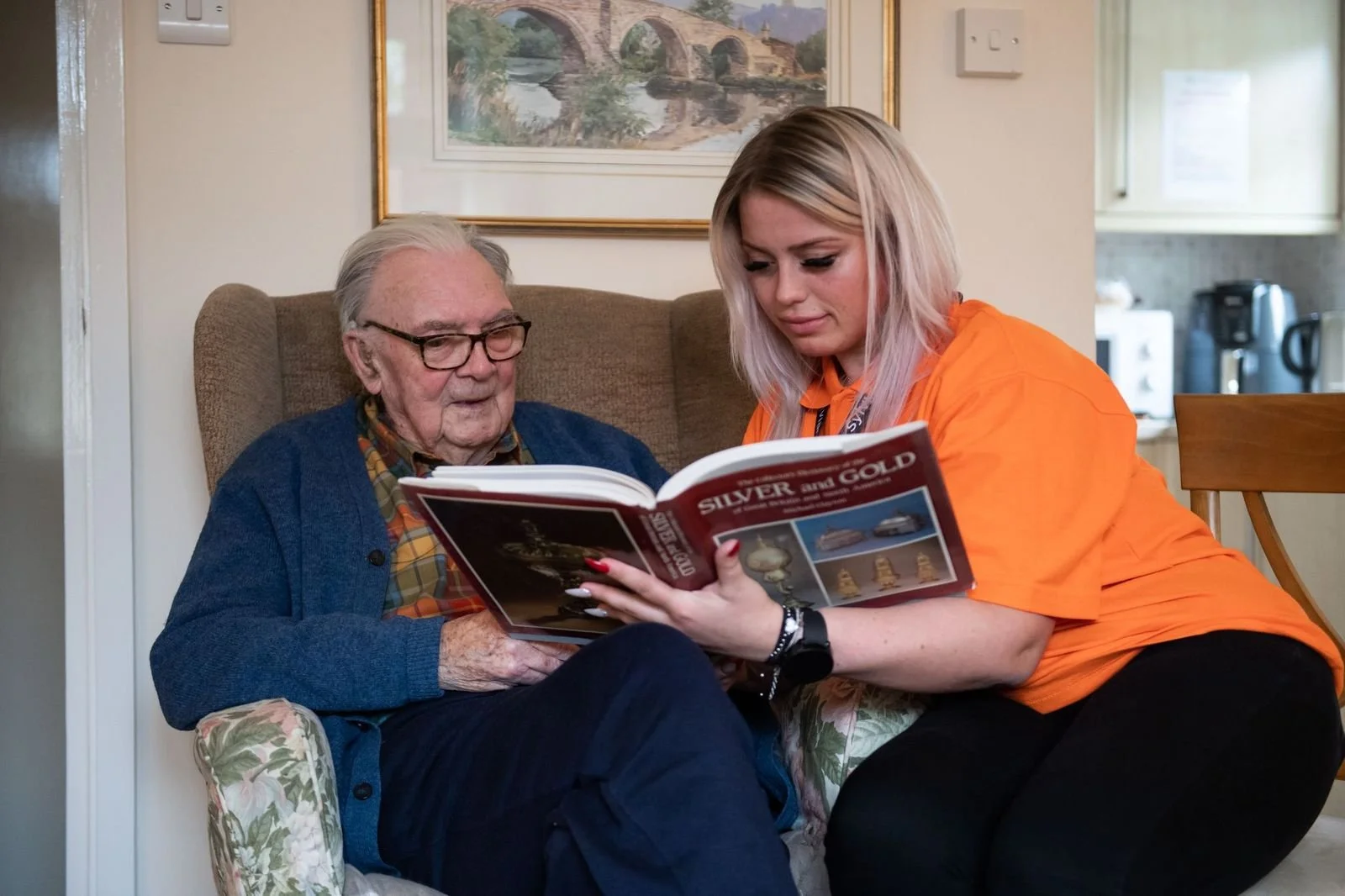
Finding the right care for an older loved one is an important decision. Whether you're beginning to explore care options for a parent, supporting a relative whose needs are changing or planning ahead for the future, it's natural to want reassurance that they'll receive the support, dignity and respect they deserve.
For families searching for Havering care homes in Upminster, understanding the different care options available is a useful first step.
Residential care homes can provide accommodation and ongoing support, but they aren't the only option. For some older people, receiving professional care in the comfort of their own home may offer a better fit for their needs and lifestyle.
The right choice depends on the individual's health, preferences, daily routines and level of independence. By exploring the available options, families can make a more informed decision about the care that will help their loved one feel comfortable, supported and valued.
What care options are available in Upminster?
When researching elderly care in Upminster and the wider Havering area, it's helpful to understand the main types of support available.
Different arrangements suit different circumstances, and the most appropriate option will depend on how much assistance an older person needs.
Residential care homes
Residential care homes provide accommodation, meals, personal care and support with everyday activities. They can be suitable for older people who need regular assistance and would benefit from living in a supported environment with access to other residents and communal activities.
Some homes also offer specialist support for people living with particular conditions, including dementia. The services available vary between providers, so families should ask about the level of care offered before making a decision.
Nursing homes
Nursing homes provide personal care alongside nursing support for people whose needs require a higher level of clinical input. This may be appropriate for individuals with more complex health needs, depending on the services available and their individual
circumstances.
It's important to distinguish between residential care and nursing care when comparing providers, as not every care home offers the same facilities or level of support.
Home care and domiciliary care
Home care, also known as domiciliary care, allows an older person to receive professional support in their own home.
Rather than moving into a care home, they can remain in familiar surroundings while receiving assistance with everyday tasks. Depending on their needs, visits may include personal care, help preparing meals, companionship and support with daily routines.
For older people who value their independence and want to continue living at home, this can be a worthwhile alternative to consider.
Is home care in Upminster an alternative to a care home?
For some older people, yes. Although residential care is the right choice for many individuals, others may be able to continue living safely at home with appropriate support.
Home care can be particularly appealing to people who have strong connections to their home and local community. Remaining in familiar surroundings can help preserve established routines, treasured belongings and a sense of independence.
With personalised care, support can be arranged around the individual's needs rather than requiring them to adapt to a new living environment.
For example, an older person in Upminster might need help getting dressed in the morning, preparing meals or managing certain household tasks. Another person may benefit primarily from companionship and assistance with getting out and about.
The level of care required will vary, and home care arrangements should be based on an individual's circumstances. Where someone has complex needs or requires continuous supervision, it's important to assess whether care at home can safely meet those requirements.
What services can elderly home care provide?
One of the benefits of domiciliary care is that support can be tailored to the person receiving it. Depending on the care provider and the individual's needs, services may include the following.
Personal care
Personal care can help with activities such as washing, dressing, grooming and maintaining personal hygiene.
For someone who finds these tasks increasingly difficult, receiving respectful assistance can make everyday life more manageable while helping them maintain their dignity.
Companionship care
Loneliness can affect older people for many reasons, including bereavement, reduced mobility and spending more time at home.
Companionship care provides opportunities for conversation, shared activities and meaningful social interaction. This might involve enjoying a cup of tea together, playing a favourite game or accompanying someone on a walk.
Regular companionship can also give family members reassurance that their loved one has opportunities for social connection.
Help with meals and daily routines
Preparing meals, keeping up with household tasks and maintaining regular routines can become more challenging with age.
A home care service may be able to assist with meal preparation, light household duties and other agreed tasks. This practical support can help older people manage their daily lives with greater confidence. #
Dementia care
People living with dementia may need additional assistance with communication, personal care and familiar daily activities.
Care should be adapted to the individual's abilities, preferences and changing needs. Familiar routines, patient communication and a consistent approach can help provide reassurance.
Families considering dementia care should discuss the person's specific needs with prospective providers to understand what support they can offer.
When should you consider professional care for an older relative?
There isn't one particular age or moment when someone needs additional care. Often, the decision develops gradually as families notice changes in a loved one's everyday life.
You may want to explore care options if an older relative is:
• Finding it increasingly difficult to wash, dress or manage personal hygiene.
• Struggling to prepare meals or maintain regular eating habits.
• Experiencing reduced mobility or confidence when moving around.
• Finding household tasks difficult to manage.
• Spending long periods alone or becoming socially isolated.
• Having difficulty maintaining everyday routines.
• Requiring more assistance than family members can reasonably provide.
These changes don't automatically mean that a care home is necessary. In some situations, a few visits from a home care professional each week may provide the additional support needed.
The important thing is to understand the person's needs and consider what arrangement will help them remain as safe, comfortable and independent as possible.
How to choose the right care provider in Upminster
Whether you're comparing Havering care homes or exploring home care services in Upminster, taking time to assess your options can help you make a more confident decision.
Understand your loved one's needs
Begin by considering the support your relative requires now and whether those needs may change over time.
Think about their mobility, personal care, health needs, social wellbeing and preferences. It's equally important to involve them in the conversation wherever possible, so their wishes remain central to the decision.
Ask about personalised care plans
Every person has different routines, preferences and expectations. Ask how providers assess individual needs and develop care plans that reflect the person rather than taking a one-size-fits-all approach.
For home care, this should include understanding what happens during each visit and how arrangements can be reviewed if circumstances change.
Consider continuity and communication
Building trust takes time, particularly when someone is receiving personal care.
Ask how providers approach continuity of care, introduce carers and communicate with family members. Knowing who will provide support and how concerns will be addressed can make the experience more reassuring.
Look beyond the facilities
When visiting a care home, consider the atmosphere, residents' wellbeing, staff interactions and opportunities for meaningful activities.
When exploring home care, think about how the service will fit around your relative's daily routine and what practical difference the support will make.
The aim is to find care that feels appropriate for the individual, rather than choosing an option based on appearance alone.
Supporting independence and dignity in later life
Good elderly care should recognise that getting older doesn't mean losing the right to make decisions about everyday life.
Whether someone lives in a residential care home or receives support at home, their preferences, privacy and dignity should remain central to the care they receive.
For some people, independence means continuing to prepare their own breakfast with a little assistance. For others, it means choosing how to spend their day, maintaining friendships or staying involved in familiar activities.
Professional care can help make these everyday experiences more manageable by providing the right level of support without unnecessarily taking over.
For families in Upminster, considering what independence means to their loved one can help clarify which care arrangements are most suitable.
Finding the right care for your loved one in Havering
Searching for Havering care homes in Upminster can feel overwhelming, especially when you're trying to balance practical considerations with the emotional needs of someone you care about.
There is no single solution that suits every older person. Residential care, nursing care and domiciliary care each have different purposes, and the right choice depends on the individual's circumstances.
If your loved one wishes to remain in their own home and their needs can be safely met there, professional home care may be an option worth exploring. Personalised support can help with daily activities, provide companionship and give families additional assistance as caring responsibilities change.
Taking the time to understand your options, ask questions and involve your loved one in the decision can help you find an arrangement that feels right for everyone.
FAQs
What care options are available for older people in Upminster?
Older people in Upminster may be able to choose between residential care homes, nursing homes and home care services. The most suitable option depends on their health, daily support needs, preferences and whether they can be safely supported at home.
Is home care an alternative to a care home in Upminster?
Yes. Home care can be an alternative for older people who want to remain in familiar surroundings and whose needs can be safely met at home. It can include personal care, companionship, meal preparation and help with everyday activities.
What is the difference between a care home and domiciliary care?
A care home provides accommodation and support within a residential setting. Domiciliary care involves a professional carer visiting someone in their own home to provide agreed assistance with personal care, daily routines and other needs.
How do I know if my relative needs a care home?
A care home may be worth considering if your relative needs regular assistance, continuous supervision or support that cannot be adequately provided at home. An assessment of their individual needs can help establish which arrangement is appropriate.
Can elderly home care include companionship?
Yes. Depending on the service, companionship care can include conversation, shared hobbies, walks and support with social activities. It can help older people maintain social connections and enjoy meaningful interaction.
Is dementia care available at home in Havering?
Home care providers may offer support to people living with dementia, depending on their needs and the provider's expertise. Families should discuss the person's circumstances and any supervision or specialist support requirements before deciding on an arrangement.
How do I choose between home care and residential care?
Consider your loved one's wishes, health and personal care needs, safety, social wellbeing and the level of support required. Comparing the available services and seeking appropriate professional advice can help you make an informed decision.
Can home care support an older person who lives alone?
Yes. Home care can provide scheduled visits for practical assistance, personal care and companionship. The frequency and type of support should reflect the person's needs, with additional assessment if they require more extensive supervision.
Get in touch with Sylvian Care Havering South
Looking for care at home for yourself or a loved one? Get in touch with the team at Sylvian Care Havering South to talk through your needs and find out how we can help.