
Life Before Care: How Your Previous Career Can Make You a Brilliant Care Professional
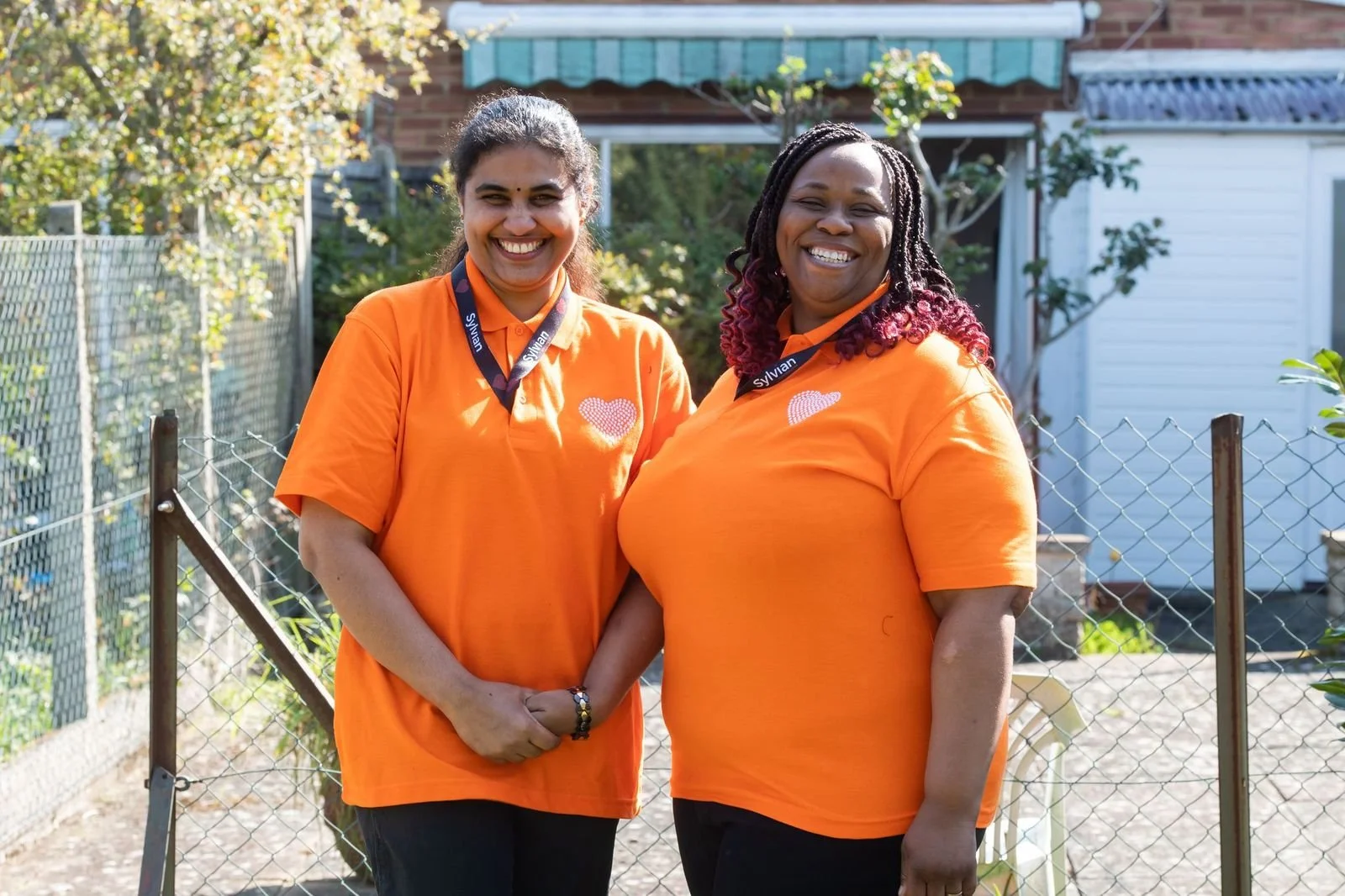
People often assume that starting a career in care means beginning again from scratch. In reality, the experience you have already gained through work, family life, volunteering or supporting others could make you especially well suited to care.
You might come from retail, hospitality, education, administration, the emergency services or an entirely different field. Perhaps you have raised a family, cared for a relative or taken time away from paid employment.
Each of these experiences can build qualities that matter in care, from patience and communication to organisation and calm decision-making.
A career change to care is not about leaving your previous experience behind. It is about using that experience in a role where it can make a meaningful difference to someone’s daily life.
Do You Need Previous Care Experience?
Previous professional care experience can be helpful, but it is not always required for entry-level care roles. Many care providers are also interested in a candidate’s values, attitude and willingness to learn.
Practical care skills can be taught through training and supported experience. Personal qualities such as kindness, reliability, respect and empathy are just as important.
This means your suitability for care may not be obvious from your most recent job title. An employer should consider the skills behind that title and how they could transfer to supporting people in their own homes.
What Are Transferable Skills in Care?
Transferable skills are abilities developed in one part of your life that can be useful in another. They may come from paid employment, voluntary work, education or personal responsibilities.
Common transferable skills for care include:
Listening and communicating clearly
Managing time and priorities
Remaining calm under pressure
Building trust with different people
Noticing small changes
Protecting privacy and confidentiality
Solving everyday problems
Working independently
Following procedures carefully
Treating people with dignity and respect
You may already use many of these skills without thinking of them as care experience.
How Different Careers Can Prepare You for Care Work
There is no single ideal career background for becoming a care professional. Different roles develop different strengths, all of which can contribute to thoughtful, dependable care.
Retail and customer service
Retail work teaches you to communicate with people from many backgrounds. You learn how to listen, understand what someone needs and respond patiently, even when they are worried or frustrated.
These abilities are valuable in home care, where every client has their own preferences, routines and communication style. Experience in customer-facing work can help you build rapport while remaining professional and respectful.
Retail workers are also accustomed to managing several tasks, noticing details and responding to unexpected situations. Those skills can be useful when following a care plan and adapting to a client’s needs.
Hospitality
Hospitality professionals understand that small details can shape someone’s whole experience. Remembering a preference, offering reassurance and helping a person feel comfortable are all important parts of good service. They are also central to compassionate care.
Working in a busy restaurant, hotel or catering environment can develop teamwork, time management and the ability to remain composed. Hospitality experience may also help when preparing meals, supporting daily routines and creating a welcoming atmosphere in someone’s home.
Education and childcare
Teachers, teaching assistants, nursery workers and other education professionals often bring strong communication and safeguarding awareness to care.
They are used to adapting how they explain things, noticing changes in behaviour and encouraging someone without taking over. These skills can support a person receiving care to make choices and maintain as much independence as possible.
Childcare and care work are not the same, and adults receiving support should always be treated as adults. However, qualities such as patience, observation and dependable record-keeping can transfer effectively.
Office and administrative work
An office background may seem far removed from care, but administrative roles build many relevant skills.
Organising appointments, managing information accurately and keeping track of priorities all require attention to detail. Care professionals also need to follow agreed procedures, communicate clearly and complete records responsibly.
Someone who has worked independently, managed a diary or coordinated colleagues may already be comfortable planning their time and taking responsibility for important tasks.
Hospitality, cleaning and housekeeping
People with experience in cleaning or housekeeping understand the importance of maintaining a safe, comfortable environment while respecting personal belongings.
In home care, light household support may form part of an individual’s care plan. The aim is not simply to complete a task, but to help the person continue living comfortably in their own home.
Housekeeping experience can bring efficiency and high standards, while care training helps ensure that support remains person-centred.
Healthcare and public services
People moving from healthcare, the emergency services, local government or other public-facing roles may already understand responsibility, professional boundaries and the importance of following procedures.
They may also have experience communicating sensitively with people during difficult or uncertain situations. This can be especially helpful when supporting clients and families who are adjusting to changing care needs.
A previous healthcare role does not remove the need for training specific to a new position. It can, however, provide a valuable foundation.
Raising a family or supporting a relative
Skills developed outside paid employment are easy to overlook. Raising children, managing a household or helping a relative can involve extensive organisation, patience, emotional support and practical problem-solving.
Informal caring experience may give you some understanding of how important dignity, choice and consistency are. It may also have taught you to notice when someone seems different or needs additional support.
Professional care has its own responsibilities, boundaries and training requirements. Personal experience is not a substitute for that training, but it can help you bring maturity and understanding to the role.
Volunteering and community involvement
Volunteering can develop listening skills, confidence and awareness of people with different experiences. Community groups, charities, faith organisations and befriending services can all provide opportunities to build relationships and offer practical support.
This experience may show a care employer that you are dependable, community-minded and comfortable giving your time to help others.
The Personal Qualities That Matter in Care
Qualifications and employment history tell only part of the story. The way you treat people is fundamental to delivering good care.
Strong care professionals tend to be:
Compassionate
Compassion means recognising what someone may be experiencing and responding with kindness. It includes offering emotional reassurance as well as completing practical tasks.
Respectful
A care professional enters someone else’s home and personal space. Respect means listening to the person, protecting their privacy and supporting their choices wherever possible.
Reliable
People depend on care visits. Arriving on time, following the care plan and communicating promptly are essential responsibilities rather than optional extras.
Observant
Small changes can matter. A care professional may notice that someone is quieter than usual, has eaten less or is moving differently. Training will help you understand how to record and report concerns appropriately.
Adaptable
No two clients or visits are exactly the same. You need to follow the care plan while responding calmly to the person’s needs, preferences and mood.
Willing to learn
Good care requires ongoing learning. You should be prepared to complete training, accept feedback and ask for guidance when you are unsure.
How to Explain Your Previous Experience When Applying
When applying for care jobs, focus on examples rather than relying only on job titles.
Think about occasions when you:
Helped someone feel comfortable or understood
Remained calm during a difficult situation
Managed competing priorities
Noticed and responded to a problem
Protected confidential information
Worked independently and took responsibility
Adapted your communication for another person
Supported a colleague, customer or family member
For example, rather than simply saying that you have worked in retail, explain how you listened to customers, resolved concerns and remained patient during busy periods.
Specific examples help an employer understand how your previous experience could translate into safe, compassionate care.
What Will You Need to Learn?
Transferable skills provide a strong foundation, but every new care professional needs role-specific training and support.
Depending on the position, this may cover areas such as:
Person-centred care
Safeguarding
Infection prevention
Moving and assisting
Medication support
Dementia awareness
Health and safety
Record-keeping
Professional boundaries
Responding to concerns
Recruitment checks and training requirements will vary according to the role and employer. During the application process, ask what initial training is provided, how new care professionals are supported and who you can contact for guidance.
Is a Career Change to Care Right for You?
Care can be deeply rewarding, but it also brings responsibility. You may support people through illness, reduced independence, bereavement or difficult periods in their lives. Some tasks are physically or emotionally demanding.
Before applying, consider whether you can:
Commit reliably to agreed shifts
Travel to clients where required
Respect different lifestyles and choices
Provide personal support with dignity
Follow care plans and procedures
Communicate concerns clearly
Stay patient on challenging days
Accept training and constructive feedback
You do not need to arrive knowing everything. You do need to be honest about your availability, open to learning and committed to treating every person as an individual.
Your Experience Is Part of What You Bring
Moving into care does not erase your previous career. It gives your existing experience a new purpose.
The communication skills developed in retail, the composure learned in hospitality, the organisation required in administration and the patience built through family life can all contribute to excellent care.
What matters is your ability to combine those strengths with appropriate training, professional support and a genuine respect for the people you visit.
Your route into care may be different from someone else’s. That difference could be exactly what helps you become a brilliant care professional.
FAQ’s
What transferable skills are useful for care work?
Useful transferable skills for care include communication, patience, organisation, reliability, observation, problem-solving and the ability to remain calm. These can be developed through many jobs and life experiences.
Can I apply for a care job without previous experience?
Many entry-level care roles welcome applicants without professional care experience. Employers may focus on your values, personal qualities and willingness to complete the required training.
Is care a good career change?
Care may be a good career change for someone who enjoys supporting people and wants meaningful, responsible work. It is important to understand the practical and emotional demands before applying.
What previous jobs are good preparation for care?
Retail, hospitality, education, childcare, administration, cleaning, healthcare and public service roles can all provide relevant skills for care work. No single career background is required.
Does looking after a relative count as care experience?
Supporting a relative can provide valuable personal experience, but it is different from professional care. You will still need suitable training, recruitment checks and an understanding of professional boundaries.
How do I describe transferable skills in a care application?
Use clear examples showing how you supported someone, managed responsibility, solved a problem or communicated during a difficult situation. Explain how the experience relates to the care role.
What qualities do care employers look for?
Care employers commonly look for compassion, reliability, respect, patience and good communication. They also value candidates who are willing to learn and able to follow procedures carefully.
Will I receive training when I start working in care?
Care providers should explain the training and induction offered for the role. Requirements vary, so ask what training you will complete and how you will be supported before working independently.
Interested in using your experience to begin a rewarding career in care? Contact your local Sylvian Care team to ask about current opportunities and the support available to new care professionals.
Looking for care at home for yourself or a loved one? Get in touch with your local Sylvian Care team to talk through your needs and find out how we can help.