
Signs Your Elderly Parent Needs More Support at Home (And What to Do Next)
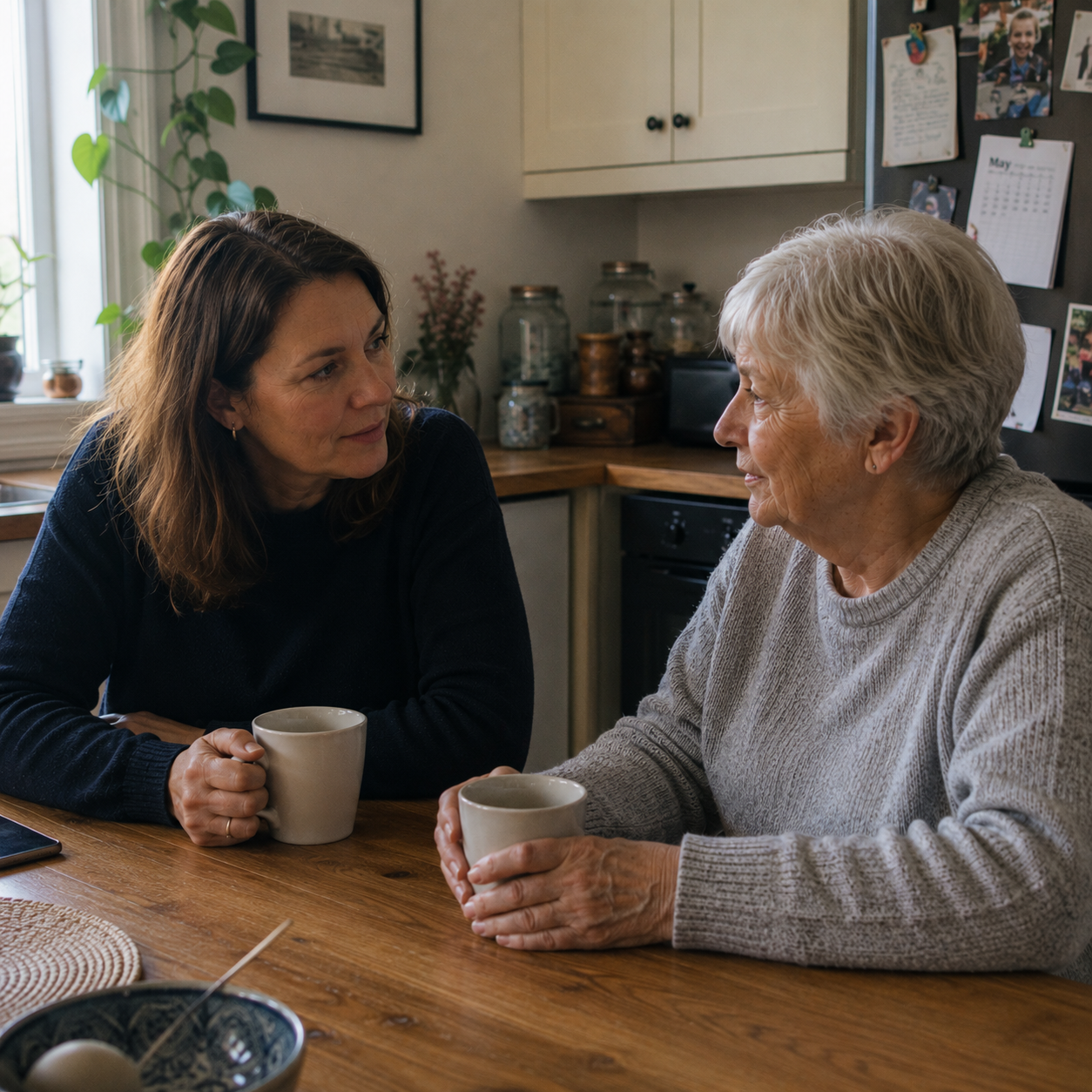
It can be hard to notice the signs that a parent is struggling at home, especially if you do not see them every day.
Older adults are often reluctant to admit they need help, and changes can be subtle.
But identifying the signs early can make a real difference to both safety and quality of life.
At Sylvian Care Tonbridge & Royal Tunbridge Wells, we speak with many families who noticed something was wrong but were not sure what to do next.
This guide outlines the most common signs that an elderly person may need additional support, and explains the steps you can take.
Physical Signs to Watch For
Unexplained Weight Loss or Poor Nutrition
If your parent seems to have lost weight, or you notice the fridge is empty, food going off, or meals being skipped, this can be a sign that they are struggling to shop or prepare food. Poor nutrition has serious consequences for elderly health and can accelerate decline.
Difficulty with Personal Care
Signs such as wearing the same clothing repeatedly, uncharacteristically poor hygiene, unkempt hair, or an unpleasant smell at home can indicate difficulty managing personal care. This is often one of the first areas where elderly people need support.
Mobility Issues and Falls
A recent fall, or evidence of near-misses such as furniture being rearranged for support, handrails being gripped tightly, or reluctance to move around the home, is a significant warning sign. Falls are a leading cause of serious injury and hospitalisation in older adults.
Medication Problems
Missed doses, incorrect doses, or confusion about which medications to take are common and potentially dangerous. If you notice pill packets with no clear system, or a parent who cannot recall whether they have taken their medication, this needs addressing.
Worsening of Existing Health Conditions
If a managed health condition such as diabetes, heart disease, or COPD appears to be deteriorating, it may be because the person is not able to manage their care routine effectively on their own.
Cognitive and Emotional Signs
Memory Loss and Confusion
Forgetting recent events, getting confused about dates or times, repeating questions, or getting lost in familiar places are potential signs of dementia or another cognitive condition that should be assessed by a GP.
Withdrawal and Isolation
If your parent has stopped seeing friends, given up hobbies, or seems reluctant to leave the house, this could indicate low mood, anxiety, or mobility problems. Loneliness is a significant risk factor for deteriorating health in older adults.
Changes in Mood or Personality
Increased irritability, sadness, fearfulness, or unusual behaviour can be symptoms of depression, dementia, or a physical health problem. Any significant change in personality warrants a GP review.
Home Environment Signs
A Dirty or Cluttered Home
If someone who previously kept a tidy home is now surrounded by clutter, dirty dishes, or unwashed laundry, this can indicate they are no longer able to manage housekeeping. It may also present a safety hazard.
Unpaid Bills or Financial Confusion
Unopened letters, overdue bills, or confusion about money and banking can be signs of cognitive decline. It can also leave elderly people vulnerable to financial scams.
Home Maintenance Neglect
A garden that has been left unattended, repairs that have not been made, or a home that feels cold or damp may all indicate that your parent is struggling to manage day-to-day life.
What to Do If You Notice These Signs
Start with a Conversation
Raise your concerns gently and without judgment. Phrases like "I just want to make sure you are as comfortable as possible" or "I have noticed you seem a little tired lately" are less confrontational than "I'm worried about you." Listen to your parent's perspective, as they may be more aware of their own difficulties than you realise.
Speak to Their GP
Many of the signs listed above can have underlying medical causes. A GP review is a good first step to rule out treatable conditions and get a professional assessment of needs.
Consider a Professional Care Assessment
A free care assessment from Sylvian Care Tonbridge & Royal Tunbridge Wells will give you a clear, professional picture of what support your loved one needs. There is no obligation, simply an honest, experienced appraisal of the situation and a discussion of the options available.
Start with Small Steps
If your parent is resistant to the idea of care, starting with a single visit per week for companionship or a little housekeeping help can be a good way to introduce the concept gradually. Many clients who were initially reluctant come to really value and look forward to their carer's visits.
Frequently Asked Questions
At what age do older people typically need home care?
There is no set age. Home care is based on need, not age. Some people in their sixties need regular support; others in their nineties live entirely independently. A care assessment will establish what, if any, support is needed.
My parent refuses help. What can I do?
This is one of the most common challenges families face. We recommend involving your parent in every decision, starting with minimal, non-intrusive support, and framing care as giving them more independence, not taking it away. Our care coordinator can also advise on approaches that have worked for other families in similar situations.
Is it safe for my parent to live alone?
This depends on their individual circumstances. A professional care assessment is the best way to evaluate whether living alone is safe and what support may be needed to ensure it remains so.
Ready to find out more? Call Sylvian Care Tonbridge & Royal Tunbridge Wells today on 01892 570544 or email tonbridgertw@sylviancare.co.uk for a free, no-obligation care assessment.