
Trial Home Care: Can You Start Small?
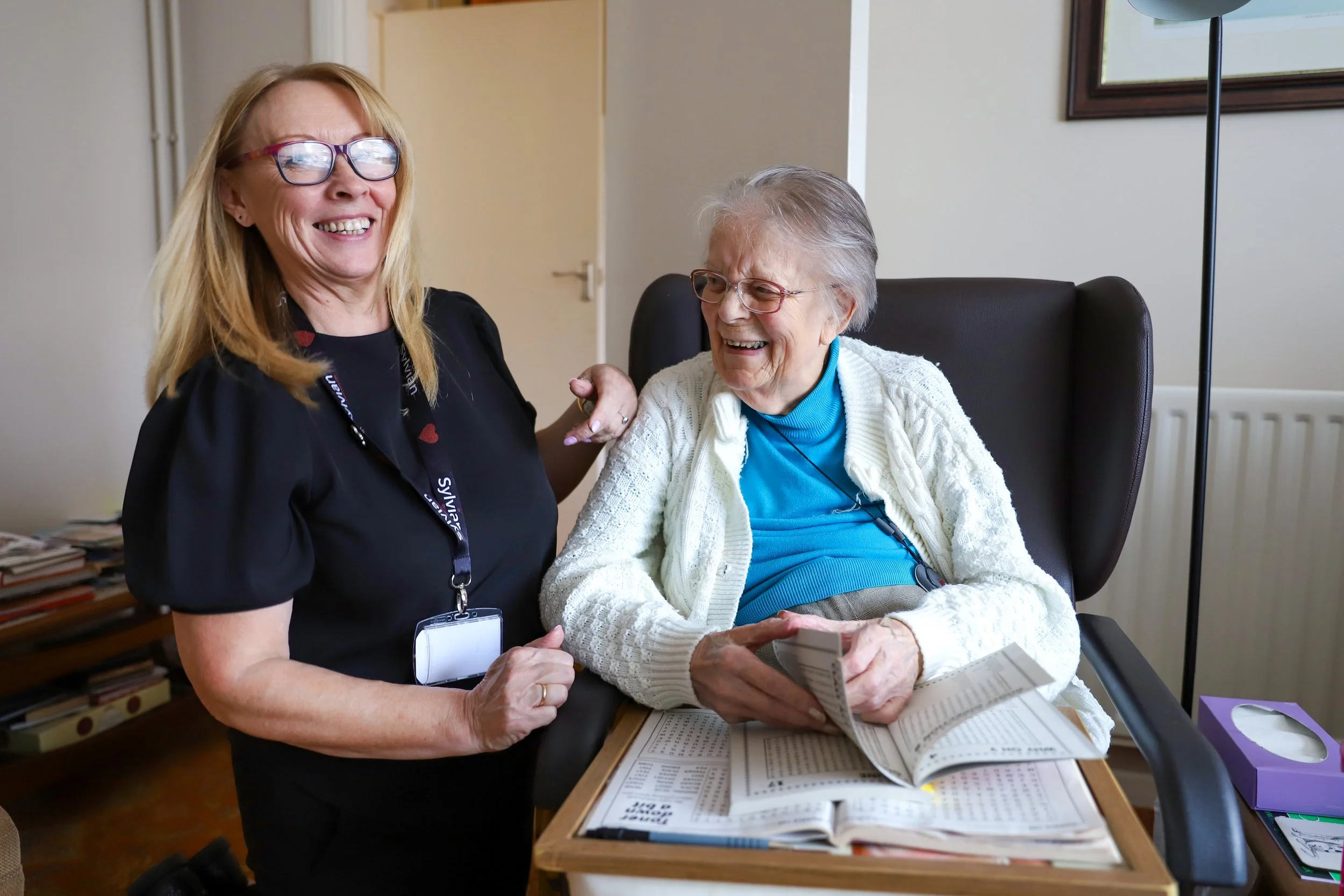
Making the decision to introduce home care into your life — or the life of someone you love — can feel like a big step. For many families, there’s a lingering worry: Does accepting care mean giving up independence?
The reassuring answer is no. In fact, trial home care is specifically designed to help you start small, ease into support, and maintain full control over how and when care is delivered.
If you're wondering whether you can “test the waters” before committing to ongoing care, this guide will walk you through how it works and what to expect.
What Is Trial Home Care?
Trial home care is a short-term or low-commitment arrangement that allows you to experience professional domiciliary care without feeling locked into a long-term contract.
It typically involves:
A small number of care visits per week
Short visit durations (for example, 30–60 minutes)
Flexible scheduling
A clearly defined review period
The purpose is simple: to give you confidence, comfort, and clarity before increasing or adjusting support.
Can You Really Start Small With Home Care?
Yes — and in most cases, it’s the best way to begin.
Home care is not an “all or nothing” service. It can be tailored precisely to your needs. Many people begin with:
✔ Just One or Two Visits Per Week
Perhaps help with:
Light housekeeping
Preparing meals
Medication reminders
Assistance with bathing
✔ Short-Term Support After Illness or Surgery
A temporary care package can support recovery after:
A hospital discharge
A fall
An operation
A period of illness
✔ Companion Visits Only
Sometimes the goal isn’t physical assistance at all — it’s reducing loneliness. Regular companionship visits can:
Encourage conversation and social engagement
Support outings and appointments
Provide reassurance for family members
Starting small allows you to gradually build trust with your care professional while preserving your independence.
Why Families Choose a Trial Period
Introducing care can be emotional. A trial period helps everyone adjust at a comfortable pace.
It Reduces Anxiety
Many older adults worry that care means losing control. A small, clearly defined care plan shows that:
You remain in charge
Care can be increased or reduced
Nothing changes unless you want it to
It Builds Trust
Consistency is key in home care. A trial period allows you to:
Get to know your carer
Develop a routine
Feel confident and secure
It Gives Families Peace of Mind
For relatives who live further away, even a single weekly visit can provide reassurance that someone is regularly checking in.
What Happens After the Trial?
At the end of the agreed trial period, you’ll typically have a review discussion.
You might decide to:
Continue with the same level of care
Increase support gradually
Adjust visit times or tasks
Pause services if no longer needed
There is no pressure — the care plan evolves with your needs.
Is Trial Home Care Right for You?
You might benefit from starting small if:
You’re unsure whether you need ongoing support
You value independence and want minimal intervention
You’ve recently returned home from hospital
You’re beginning to notice small daily tasks becoming harder
Your family would feel reassured by regular check-ins
Early support often prevents bigger problems later. Small interventions — such as medication reminders or mobility assistance — can reduce the risk of falls, hospital admissions, or declining health.
The Benefits of Starting Care Early
Many families wait until there’s a crisis before arranging care. However, proactive support offers clear advantages:
Maintains independence for longer
Supports physical and mental wellbeing
Reduces stress on family carers
Encourages confidence at home
Starting with light-touch care is often the most empowering option.
How to Arrange Trial Home Care
The process is usually straightforward:
Initial Consultation – A care assessment to understand needs and preferences.
Personalised Care Plan – Designed around your routine and goals.
Care Introduction – Meeting your dedicated carer.
Trial Period – A flexible arrangement with regular communication.
Review – Adjusting support as needed.
Throughout the process, dignity, respect, and independence remain the priority.
You’re Always in Control
One of the most important things to remember is this:
Accepting home care does not mean giving up your independence.
In many cases, it protects it.
Starting small allows you to explore support on your terms — with flexibility, transparency, and reassurance at every step.
Ready to Explore Trial Home Care?
If you or a loved one are considering support but would prefer to begin gently, we’re here to help.
Our compassionate team can talk you through flexible options and design a personalised trial care plan that fits comfortably into your life.
Contact us today for a friendly, no-obligation conversation about starting small with home care.