
Managing Aggression and Confusion in Dementia
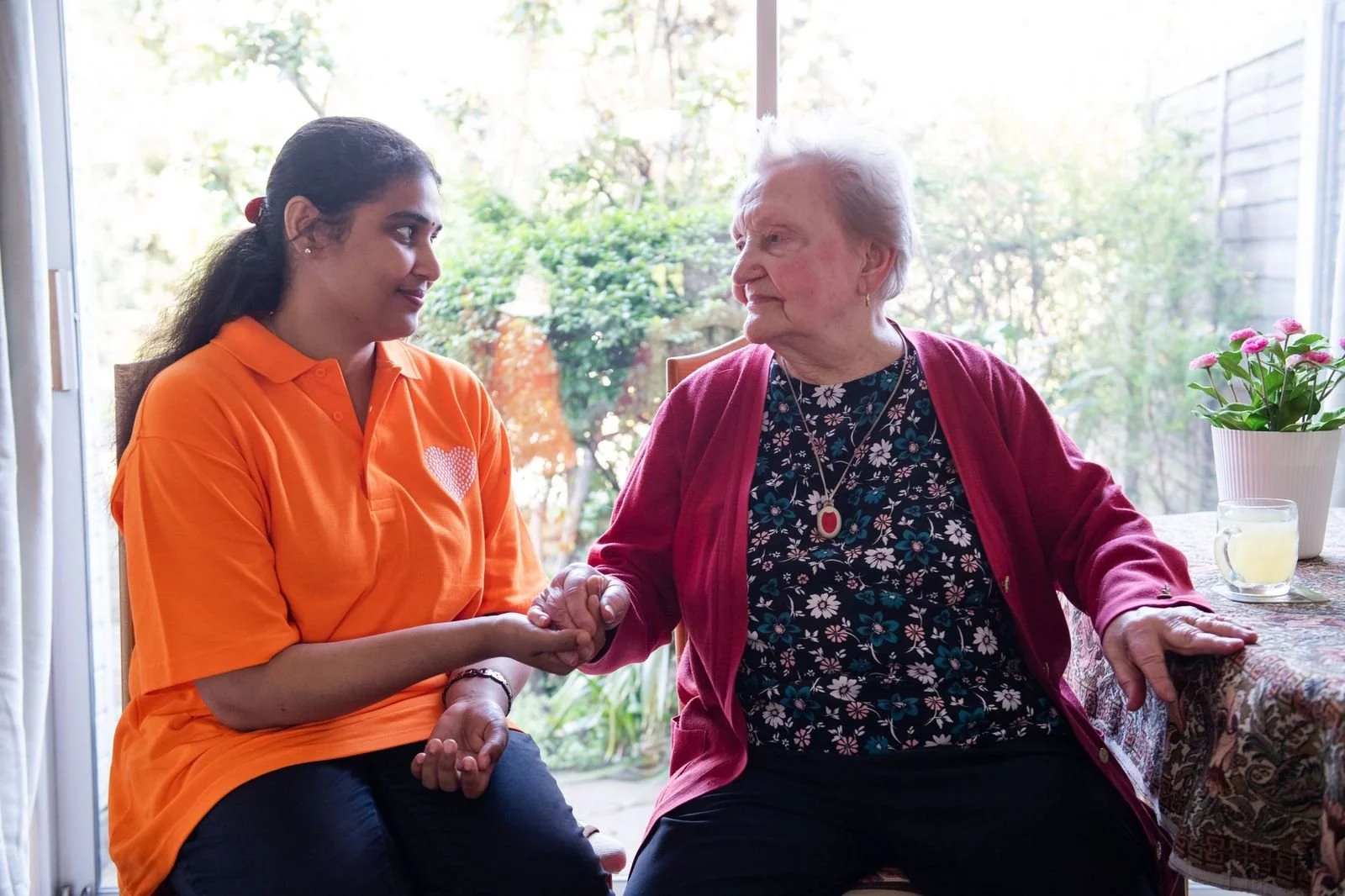
Caring for a loved one with dementia can be deeply rewarding—but it can also be emotionally challenging, especially when behaviours such as aggression, agitation, or confusion arise.
These changes are not intentional; they are symptoms of the condition itself. Understanding why they happen and how to respond calmly can make a significant difference to both the individual and their carer.
In this guide, we’ll explore practical, compassionate strategies for managing difficult behaviours in dementia care across the UK.
Why Does Aggression Happen in Dementia?
Aggression in dementia often stems from unmet needs or distress rather than anger in the traditional sense. As cognitive function declines, individuals may struggle to communicate discomfort, fear, or confusion.
Common triggers include:
Confusion about surroundings or people
Physical discomfort (pain, hunger, fatigue)
Overstimulation or noise
Changes in routine
Feeling threatened or misunderstood
Recognising these triggers is the first step toward effective dementia behaviour support.
Understanding Confusion and Its Impact
Confusion is a core symptom of dementia and can lead to behaviours that appear irrational or aggressive. A person may:
Not recognise familiar faces
Misinterpret situations
Believe they are in danger
From their perspective, their reactions make sense. The goal is not to correct them forcefully, but to enter their reality with empathy and reassurance.
Practical Ways to Manage Aggression
1. Stay Calm and Grounded
Your response sets the tone. Speak slowly, maintain a gentle tone, and avoid raising your voice—even if the situation feels tense.
2. Don’t Take It Personally
Aggression is a symptom of dementia, not a reflection of how your loved one feels about you.
3. Identify the Underlying Cause
Ask yourself:
Are they in pain?
Are they tired or overwhelmed?
Has something changed in their routine?
Addressing the root cause often reduces the behaviour.
4. Use Simple Communication
Use short, clear sentences
Ask one question at a time
Avoid complex explanations
Non-verbal cues—like a reassuring touch or calm facial expression—can be just as important.
De-escalation Techniques That Work
Redirect Attention
Gently guide the person toward a different activity:
Listening to music
Looking at photographs
Taking a short walk
Give Space When Needed
If emotions escalate, stepping back briefly can help prevent further distress.
Validate Their Feelings
Instead of correcting them, acknowledge their emotions:
“I can see you’re upset. I’m here with you.”
This builds trust and reduces fear.
Creating a Calmer Environment
A supportive environment can significantly reduce episodes of agitation.
Consider:
Maintaining a consistent daily routine
Reducing noise and distractions
Ensuring good lighting to minimise confusion
Keeping familiar objects nearby
Small adjustments can have a powerful impact on emotional wellbeing.
Supporting Yourself as a Carer
Caring for someone with dementia—especially when managing challenging behaviours—can be exhausting.
It’s important to:
Take regular breaks
Ask for help when needed
Connect with local dementia support services
You don’t have to handle everything alone.
When to Seek Professional Support
If aggression becomes frequent, intense, or difficult to manage, professional care can provide both expertise and relief.
Specialist carers are trained in:
Dementia behaviour management
Safe de-escalation techniques
Personalised care approaches
This ensures your loved one receives compassionate, appropriate support while giving you peace of mind.
How Sylvian Care Can Help
At Sylvian Care, we understand how complex dementia care can be—especially when behaviours become challenging. Our experienced carers provide tailored, person-centred support designed to reduce distress and improve quality of life.
Whether you need occasional help or ongoing care, our local teams are here to support both you and your loved one.
👉 Find your nearest Sylvian Care team and get personalised support today:
https://sylviancare.co.uk/search-for-care
Providing care for someone with dementia isn’t about having all the answers—it’s about responding with patience, understanding, and the right support when it matters most.