
When the temperature drops, you may find yourself wondering whether Mum or Dad is warm enough, especially if they live alone.
A quick question on the phone can bring reassurance, but it does not always reveal the full picture. One room may feel cosy while the bedroom is cold. The heating may be on, but an older person may be sitting still for long periods or wearing clothes that do not hold warmth well.
Keeping an elderly person warm at home is not simply a matter of turning up the thermostat. It means looking at the home, daily routine, food and drink, mobility and health together. The aim is a steady, comfortable environment that supports wellbeing without taking away the person’s choice or independence.
Why older people can feel the cold more
Bodies change with age. Muscle mass may reduce, circulation can be less efficient and some health conditions or medicines can affect how warm a person feels. Reduced mobility matters too: someone who spends much of the day in one chair will generate less body heat than someone moving regularly around the home.
An older parent may also be reluctant to mention that they are cold. They might be worried about energy bills, dislike asking for help or simply have become used to a chilly room. Observation and gentle, specific questions often tell you more than asking, “Are you warm enough?”
Start with the rooms they actually use
Walk through a typical day. Where do they have breakfast? Which chair do they sit in during the afternoon? Is the bathroom warm before they wash? Does the bedroom stay comfortable overnight? This gives you a more useful picture than checking the temperature in the hallway.
UK cold-weather guidance commonly advises heating rooms used regularly to at least 18 C, particularly for people aged 65 or over, those with reduced mobility and those with certain health conditions. Some people will need a warmer setting to feel comfortable. A simple room thermometer can help because a room may feel different to each visitor.
Check whether radiators warm up properly, timers match the person’s routine and thermostat controls are easy to read and use. Draught excluders and well-fitting curtains can help retain heat, but radiators and heaters should not be covered or blocked. If there is a portable heater, make sure it is stable, positioned safely and used in line with the manufacturer’s instructions.
Build warmth in layers
Several light layers often work better than one bulky garment because they trap warm air and can be removed easily if the person becomes too hot. Soft base layers, a cardigan or fleece, warm socks and supportive slippers can all help. Clothes should remain easy to manage when using the toilet or changing for bed.
Hands and feet may feel cold first, but comfort should not come at the expense of safety. Slippers need a secure fit and good grip. Long blankets should not trail near the feet, and electric blankets should be checked and used exactly as directed.
If your parent has reduced sensation, circulation problems or a condition such as diabetes, ask a healthcare professional for individual advice before using direct heat sources such as hot water bottles.
Make food and drink part of the winter routine
Warmth is easier to maintain when a person is eating regularly and drinking enough. One hot meal a day is a helpful starting point, but the best plan is the one your parent will actually enjoy. Soup, porridge, stews, baked potatoes and scrambled eggs can be straightforward options. Hot drinks can add comfort throughout the day.
Look beyond what is in the cupboard. Can your parent lift a full kettle, open packaging and stand long enough to prepare a meal? Are they avoiding the kitchen because it is cold? Small changes such as a kettle tipper, prepared ingredients or help at mealtimes may make a bigger difference than stocking up on food that goes unused.
Encourage safe movement, not strenuous exercise
Regular movement helps the body generate heat and can prevent stiffness. This might mean standing during television adverts, walking to the kitchen for a drink or doing familiar seated movements. The activity should suit the person’s ability and any clinical advice they have been given.
If your parent seems unsteady, do not encourage them to walk simply to warm up. Check that routes are well lit and free from loose rugs, wires and clutter. Supportive footwear, walking aids kept within reach and help from another person can make movement safer.
Prepare for cold snaps before they arrive
A little preparation removes pressure when the weather changes suddenly. Keep a reasonable supply of easy meals and household essentials, confirm that repeat prescriptions will not run out, and note who can call or visit if snow or ice makes travel difficult. Check weather warnings rather than relying on how mild it feels at midday.
It is also sensible to agree a simple backup plan for a heating fault or power cut. Write down the heating engineer’s number, identify a warm room the person can use, keep torches easy to find and decide where they could stay temporarily if the home could not be warmed safely. Never use ovens or outdoor heating equipment to heat a home.
Notice changes that need more than a warm jumper
Feeling persistently cold can sit alongside other changes in health or daily living. Pay attention if your parent is unusually tired, confused, drowsy, shivering heavily, speaking less clearly or struggling with tasks they usually manage. Seek urgent medical help if you are concerned about hypothermia or a sudden serious change. Use NHS 111 when you need urgent advice and call 999 in a life-threatening emergency.
Less dramatic changes deserve attention as well. Unopened post, missed meals, unchanged clothes or a single heater being used in an otherwise cold home may indicate that the person is finding winter harder than they say. Approach the conversation with curiosity, not criticism: “I noticed the bedroom feels cold. What would make it easier to warm?”
How care at home can help during winter
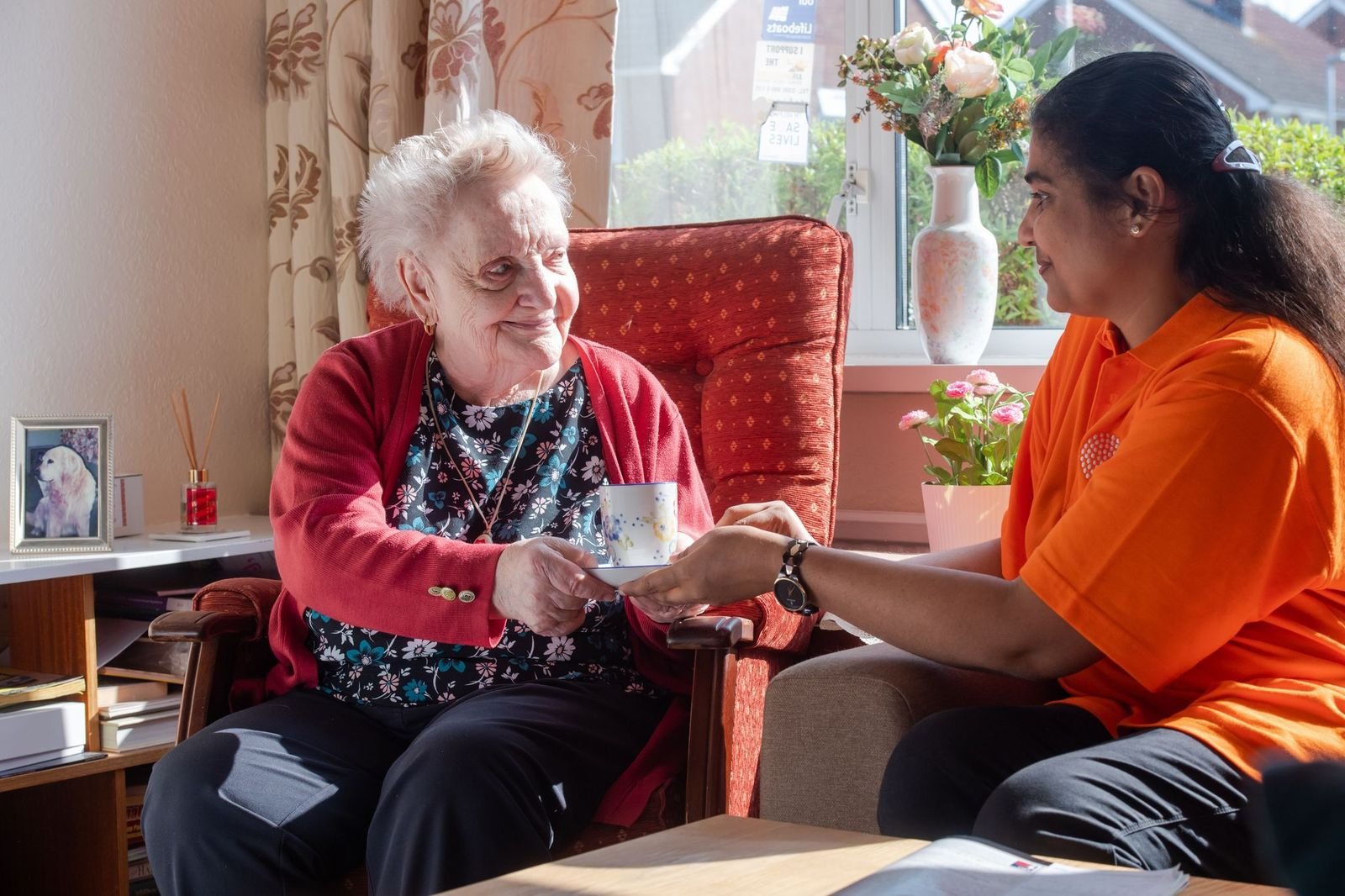
For some families, the difficulty is not knowing what to do; it is being unable to be there at the right times. Home care can provide consistent support with dressing, meals, hydration, medication prompts, safe movement and everyday household routines. A care professional can also notice gradual changes that are easy to miss during occasional visits.
Support should be shaped around the individual. One person may benefit from a morning visit to start the day warm, washed and well fed. Another may need companionship and a hot evening meal. The most useful winter care plan protects comfort and safety while keeping the person’s preferences at its centre.
A practical winter check for families
Use this short check when you visit or call:
The main living room, bathroom and bedroom feel comfortably warm.
Heating controls work and match the person’s daily routine.
Warm, easy-to-manage clothing and safe footwear are within reach.
There is food for simple hot meals and drinks.
Medication and household essentials will last through bad weather.
Walking routes are clear, dry and well lit.
Family, neighbours or care professionals know who will check in.
There is a backup plan if the heating stops working.
Keeping an elderly parent warm at home is rarely solved by one purchase. It is the combination of a warm environment, nourishing routines, safe movement and regular human contact that makes winter feel manageable.
Frequently asked questions
What temperature should an older person’s home be in winter?
Rooms used regularly should generally be heated to at least 18 C, particularly for people aged 65 or over, those with reduced mobility or certain health conditions. Individual comfort and clinical advice may mean a warmer temperature is appropriate.
Why does my elderly parent feel cold even when the heating is on?
Age-related changes, low activity levels, poor circulation, some health conditions and certain medicines can all affect warmth. If feeling cold is new, persistent or accompanied by other symptoms, seek advice from a GP or pharmacist.
What are the best clothes for keeping an elderly person warm at home?
Choose several comfortable layers that are easy to put on and remove. Add warm socks and secure, well-fitting slippers with good grip. Avoid trailing blankets or clothing that could increase the risk of a fall.
How can I keep an older parent warm without overheating the whole house?
Focus on the rooms they use, reduce safe-to-fix draughts, close curtains after dark and make sure heating timers follow their routine. Never block radiators or use unsafe appliances as a source of heat.
Can home care help an older person stay well in winter?
Yes. Care at home can support warm meals and drinks, dressing, medication routines, mobility, companionship and regular wellbeing checks. The level and timing of support can be tailored to the person’s needs.
When should I seek urgent help because an older person is cold?
Get urgent help if they are unusually drowsy or confused, have slurred speech, are breathing slowly, are shivering severely or seem seriously unwell. Call 999 for a life-threatening emergency; NHS 111 can advise on urgent concerns.
Talk to Sylvian Care
Looking for care at home for yourself or a loved one? Get in touch with your local Sylvian Care team to talk through your needs and find out how we can help.