
What Is Overnight Care and Who Needs It?
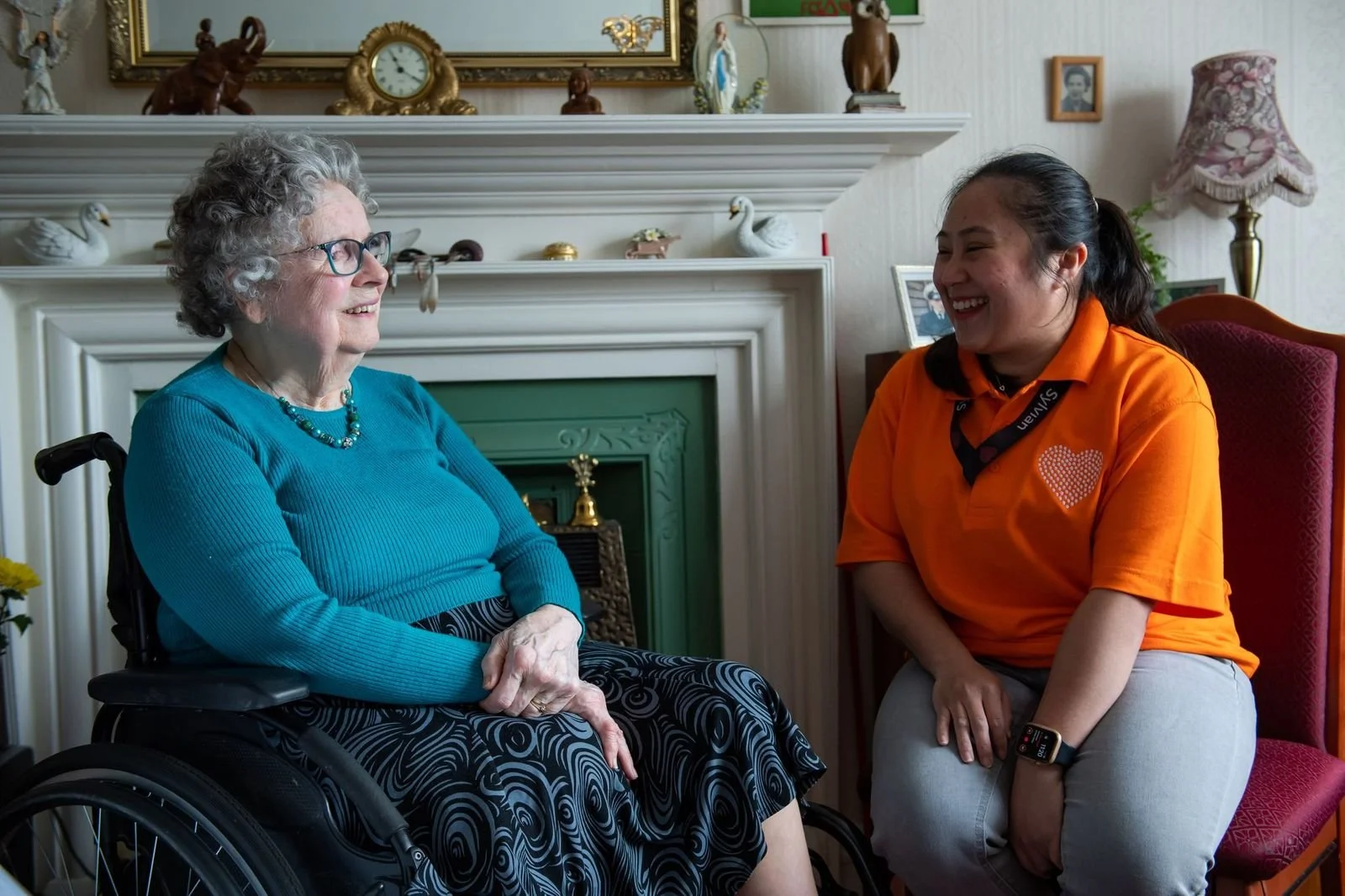
As loved ones age, their care needs often evolve beyond daytime support.
One of the most important—and sometimes overlooked—forms of care is overnight care.
For many families across the UK, knowing someone is there during the night brings reassurance, safety, and peace of mind.
But what exactly does overnight care involve, and how do you know when it’s needed?
What Is Overnight Care?
Overnight care is a type of home care service where a professional caregiver stays with an individual throughout the night to provide support, supervision, and assistance as needed.
Unlike residential care, overnight care allows individuals to remain in the comfort of their own home while still receiving attentive support during vulnerable nighttime hours.
There are typically two main types of overnight care:
Sleeping Night Care
A caregiver stays overnight and sleeps in the home but is available to assist if needed. This is ideal for individuals who may wake occasionally and need minimal help, such as:
Assistance to use the bathroom
Help repositioning in bed
Reassurance during moments of confusion
Waking Night Care
A caregiver remains awake and alert throughout the night, providing continuous supervision. This is more suitable for individuals with higher care needs, including:
Frequent waking or restlessness
Medical conditions requiring monitoring
Increased risk of falls or wandering
Why Is Overnight Care Important?
Nighttime can present unique challenges, particularly for older adults or those living with health conditions. Reduced visibility, fatigue, and disorientation can all increase risks.
Overnight care helps to:
Prevent falls and accidents
Provide reassurance and reduce anxiety
Support continence needs
Ensure medication is taken correctly
Offer immediate assistance in emergencies
For families, it also removes the pressure of staying awake or worrying through the night.
Who Needs Overnight Care?
Not everyone requires overnight care, but there are clear situations where it becomes essential.
1. Individuals Living with Dementia
People with dementia often experience confusion, agitation, or wandering at night (sometimes called “sundowning”). Overnight care ensures they are safe and supported during these episodes.
2. Those at Risk of Falls
If someone has reduced mobility or balance issues, getting out of bed at night can be dangerous. A caregiver can assist safely and prevent serious injuries.
3. People Recovering from Illness or Surgery
After a hospital stay or surgery, individuals may need extra monitoring and support, especially during the night when complications can arise.
4. Individuals with Complex Health Conditions
Conditions such as Parkinson’s disease, respiratory issues, or chronic pain may require regular nighttime assistance or observation.
5. Those Experiencing Anxiety or Loneliness at Night
Nighttime can feel isolating. Having a caregiver present can provide comfort, companionship, and emotional reassurance.
6. Family Caregivers Needing Rest
Caring for a loved one is demanding. Overnight care allows family members to sleep properly and maintain their own wellbeing, which is essential for sustainable care.
Signs That Overnight Care May Be Needed
It’s not always obvious when to introduce overnight care, but some common signs include:
Frequent waking during the night
Increased confusion or distress after dark
Falls or near-misses when getting out of bed
Toileting accidents or difficulty reaching the bathroom
Family members feeling exhausted or overwhelmed
If these issues are becoming regular, it’s time to consider additional support.
Benefits of Overnight Care at Home
Choosing overnight care at home offers several key advantages:
Comfort and Familiarity
Remaining in a familiar environment can significantly reduce anxiety, especially for those with dementia.
Personalised Support
Care is tailored to the individual’s exact needs and routines.
Independence
Individuals maintain control over their lifestyle while receiving necessary support.
Peace of Mind
Families can rest knowing their loved one is safe and cared for throughout the night.
How to Arrange Overnight Care in the UK
Arranging overnight care is simpler than many people expect. A reputable home care provider will:
Assess your loved one’s needs
Recommend the most suitable type of overnight care
Match you with a trained, compassionate caregiver
Create a personalised care plan
The right provider will also adapt care as needs change over time.
Final Thoughts
Overnight care isn’t just about practical support—it’s about restoring dignity, safety, and peace of mind for both individuals and their families.
If nights are becoming a source of stress or concern, taking action early can make a significant difference to quality of life.
Get Support from Your Local Sylvian Care Team
If you’re considering overnight care for yourself or a loved one, speaking to a trusted professional is the best next step.
The Sylvian Care team offers compassionate, personalised overnight care tailored to your needs—helping you feel safe and supported at home, day and night.
👉 Find and get in touch with your local team here: https://sylviancare.co.uk/search-for-care