
Home Care Assessment: What to Expect and How to Prepare
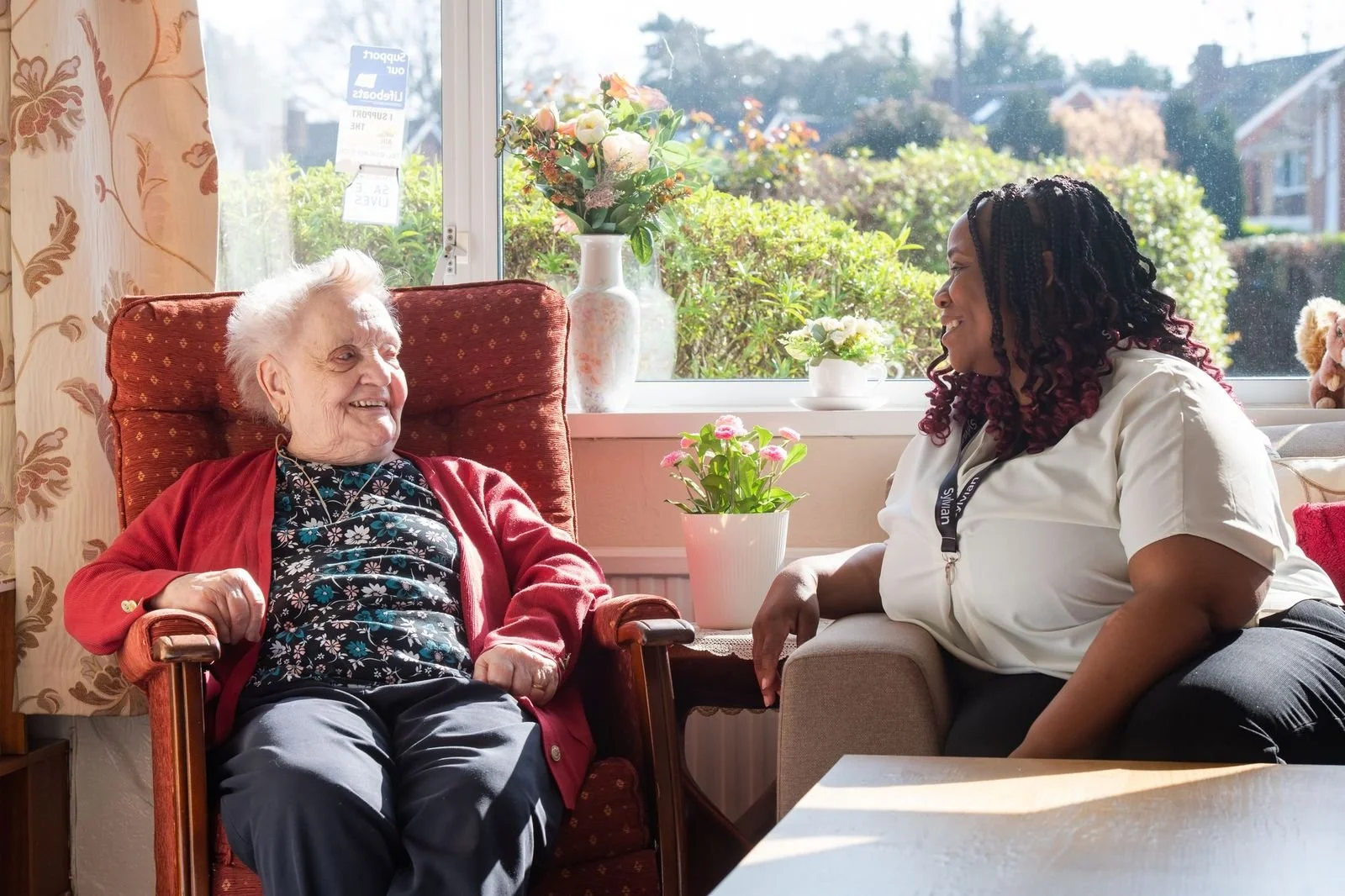
Arranging care at home can feel like a big step, especially if it is the first time you or your family have needed support. A home care assessment is there to make that step clearer, calmer, and more personal.
Rather than being a test or a formal inspection, a home care assessment is a conversation. It helps a care provider understand what support is needed, what matters to the person receiving care, and how care can fit naturally around daily life.
If you are wondering what to expect from a home care assessment, this guide explains what usually happens, what questions may come up, and how you can prepare.
What Is a Home Care Assessment?
A home care assessment is an initial discussion used to understand a person’s care and support needs at home.
It may take place in the person’s home, over the phone, or sometimes by video call, depending on the situation. For many families, an in-person visit is helpful because it allows the care provider to better understand the home environment, daily routines, mobility, safety, and personal preferences.
The assessment helps shape a care plan. This care plan outlines what support is needed, when visits should happen, and how care workers can provide help in a respectful and consistent way.
Why Is a Home Care Assessment Important?
Every person’s needs are different. Two people may both be looking for home care, but the right support for each could look very different.
One person may need short visits to help with washing, dressing, and medication reminders. Another may need companionship, meal preparation, help getting out and about, or more regular support throughout the day.
A home care assessment helps make sure care is:
Personal to the individual
Safe and appropriate
Built around existing routines
Clear for family members
Flexible enough to change over time
It also gives you the chance to ask questions, talk through concerns, and understand what care at home could look like in practice.
What Happens During a Home Care Assessment?
A home care assessment usually starts with a friendly conversation about the person’s current situation. The care provider will want to understand what has prompted the enquiry and what kind of support may be needed.
They may ask about daily routines, health conditions, mobility, personal care, meals, medication, home safety, hobbies, family involvement, and emotional wellbeing.
This is also the time to talk about what the person wants from care. Good home care is not just about completing tasks. It is about helping someone live with dignity, comfort, and as much independence as possible.
Questions You May Be Asked
The questions asked during a home care assessment are usually practical and personal. They are designed to build a full picture of the person’s needs.
You may be asked about:
What support is currently needed at home
How the person manages washing, dressing, and toileting
Whether they need help preparing meals or drinks
Any medication routines or reminders
Mobility around the home and outside
Falls, risks, or recent changes in health
Memory, confusion, or dementia-related needs
Family, friends, or other professionals involved
Preferred times for care visits
Cultural, religious, dietary, or personal preferences
What a good day at home looks like for the person
Some questions may feel sensitive, but they help the care provider understand how to offer support respectfully and safely.
Can Family Members Be Involved?
Yes, family members are often involved in a home care assessment, especially when they already provide support or help make decisions.
A family member can help explain routines, concerns, recent changes, or things the person receiving care may forget to mention. However, it is still important that the person needing care is listened to directly wherever possible.
A good assessment should include everyone’s views while keeping the individual at the centre of the conversation.
How to Prepare for a Home Care Assessment
You do not need to prepare formally, but a little thought beforehand can make the conversation more useful.
It may help to think about:
Which parts of the day feel most difficult
What support is already being provided by family or friends
Any recent falls, hospital visits, or changes in confidence
Medication routines and existing health conditions
Preferred visit times
Personal routines, likes, dislikes, and priorities
Questions you want to ask the care provider
If you are arranging care for a loved one, it can be helpful to speak with them first about what they feel comfortable discussing and what they would like support with.
Will the Assessment Decide the Care Plan?
The home care assessment usually forms the basis of the care plan, but it should not feel fixed forever.
Care needs can change. Someone may need more support after coming out of hospital, then less support as they regain confidence. Others may need care that gradually increases over time.
A good care provider will review the care plan and make adjustments when needed. The assessment is the starting point, not the end of the conversation.
What If You Are Unsure How Much Care Is Needed?
Many families are not sure how much care to arrange at first. That is completely normal.
You may know that things are becoming harder at home, but not yet know whether your loved one needs one visit a day, several visits, companionship, personal care, or a different type of support.
The assessment can help you talk this through. It gives the care provider a chance to recommend a sensible starting point based on the person’s needs, routines, and level of risk.
Sometimes, starting with a small amount of support can make a big difference. For example, help with getting up, preparing breakfast, or settling in the evening can reduce pressure on family members and help the person feel more confident at home.
What Should You Ask During a Home Care Assessment?
The assessment is not only for the care provider to ask questions. It is also your opportunity to understand how care will work.
Useful questions include:
Who will provide the care?
Can visits be arranged around preferred routines?
How is the care plan created and reviewed?
What happens if needs change?
How are family members kept informed?
What support is available for dementia, mobility, or companionship?
How quickly could care begin if needed?
The answers should feel clear, honest, and easy to understand. You should not feel rushed or pressured into making a decision before you are ready.
A Home Care Assessment Should Feel Reassuring
It is natural to feel nervous before a home care assessment, particularly if the person needing support values their independence or feels unsure about accepting help.
The right care provider will approach the conversation with kindness and respect. They will want to understand not only what support is needed, but how that support can be provided in a way that feels comfortable.
Care at home works best when it protects the person’s dignity, supports their choices, and helps them continue living safely in familiar surroundings.
FAQs
What is a home care assessment?
A home care assessment is a conversation used to understand a person’s care needs, routines, preferences, and home environment. It helps create a suitable care plan for support at home.
How long does a home care assessment take?
The length can vary depending on the person’s needs, but many home care assessments take around an hour. More complex situations may need a longer conversation.
Do I need to prepare anything for a home care assessment?
You do not need formal paperwork, but it can help to think about daily routines, health conditions, medication, mobility, personal care needs, and any questions you want to ask.
Can my family be present during a home care assessment?
Yes, family members can usually be involved. This can be helpful if they already provide support or understand the person’s routines, concerns, and preferences.
Will I have to agree to care after the assessment?
No. A home care assessment is there to help you understand your options. You should have time to consider the recommendations and ask any further questions.
What questions are asked during a home care assessment?
You may be asked about personal care, meals, medication, mobility, memory, safety at home, daily routines, family support, and preferred times for care visits.
Is a home care assessment the same as a care plan?
No. The assessment gathers information about the person’s needs. The care plan is then created from that information and explains what support will be provided.
Can home care change after the first assessment?
Yes. Home care can usually be adjusted as needs change. Care plans should be reviewed so the level of support remains suitable over time.
Looking for care at home for yourself or a loved one? Get in touch with your local Sylvian Care team to talk through your needs and find out how we can help.