
Care Assistant vs Support Worker: What’s the Difference?
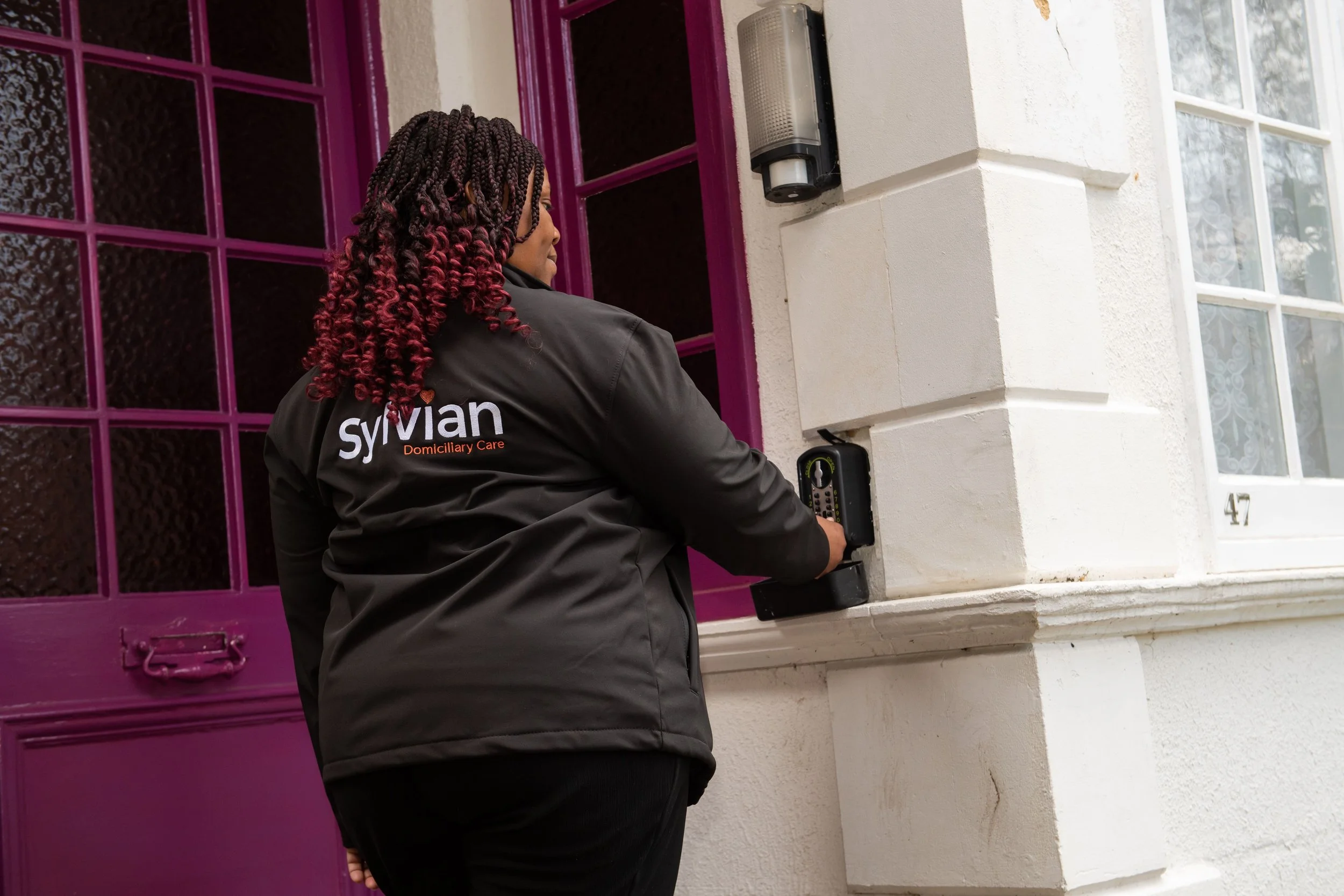
The titles “care assistant” and “support worker” are sometimes used interchangeably, so it is understandable if you are unsure what separates the two roles.
Both involve helping people live safely and with dignity. However, the emphasis of each role can differ. Care assistants generally focus more on personal care and everyday routines, while support workers often help people develop or maintain independence.
The exact responsibilities will always depend on the employer, care setting and needs of the person receiving support.
What does a care assistant do?
A care assistant, sometimes called a carer or care worker, supports people with daily activities that they may find difficult to manage alone.
In a home care setting, a care assistant may help with:
Washing, dressing and personal hygiene
Preparing meals and drinks
Medication support, within their training and agreed care plan
Moving safely around the home
Light household tasks
Companionship and emotional reassurance
Attending appointments or going into the community
Care assistants may support older people, individuals living with dementia, people recovering from illness or anyone who needs practical assistance at home.
Good care is not simply about completing tasks. A care assistant should take time to understand the person’s preferences, routines and abilities, helping them remain as independent as possible.
What does a support worker do?
Support workers assist people who may have learning disabilities, physical disabilities, mental health needs or other support requirements.
Their work often has a strong focus on independence, personal choice and participation in everyday life. Responsibilities might include:
Developing daily living skills
Managing household routines
Supporting communication
Attending education, work or social activities
Building confidence in the community
Helping with budgeting or shopping
Providing personal care when needed
Support workers can work in people’s homes, supported-living services, residential settings and community-based services.
What is the difference between a care assistant and a support worker?
The main difference usually lies in the focus of the role.
A care assistant is often primarily responsible for personal care, comfort and practical help with daily routines. A support worker may spend more time helping someone work towards personal goals, develop skills and take part in their community.
In practice, there can be considerable overlap. Both roles may involve personal care, companionship, household support and help outside the home. Job titles are not always used consistently across the UK, so the job description is more important than the title alone.
Support worker vs carer: which role is right for you?
If you are comparing care jobs in the UK, think about the type of support you would find most rewarding.
A care assistant role may suit you if you enjoy providing hands-on assistance, building trusted relationships and helping people feel comfortable at home.
A support worker role may appeal if you are interested in helping people develop confidence, pursue goals and become more independent.
Both roles call for patience, reliability, good communication and respect for individual choice. Relevant experience can be helpful, but personal qualities and a willingness to learn are also important. Employers should explain what training, checks and qualifications are required for each vacancy.
Why the distinction matters for people arranging care
For individuals and families, the job title matters less than whether the service meets the person’s needs.
Before choosing care at home, ask what support will be provided, how the care plan will be developed and whether care professionals have the appropriate training. A good provider should listen carefully and explain how support can adapt as circumstances change.
FAQs
Is a support worker the same as a care assistant?
Not always. Care assistants often focus on personal care and daily routines, while support workers commonly focus on independence, life skills and community involvement. Responsibilities can overlap.
Do support workers provide personal care?
Some support workers provide personal care, depending on the needs of the individual and the requirements of the role. This should be clearly explained in the job description and care plan.
Is a care assistant the same as a carer?
The terms are often used to describe similar paid care roles. “Carer” can also refer to an unpaid family member or friend, so “care assistant” may be used when discussing professional care.
Which role has more responsibility?
Neither role is automatically more senior. The level of responsibility depends on the individual position, the care setting and the person’s needs.
What skills do care assistants and support workers need?
Both roles require compassion, patience, communication skills, reliability and respect. Staff must also follow care plans, maintain professional boundaries and report concerns appropriately.
How can I choose the right type of care at home?
Start with the person’s needs, preferences and desired level of independence. A home care provider can discuss these requirements and recommend suitable support rather than relying solely on job titles.
Looking for care at home for yourself or a loved one? Get in touch with your local Sylvian Care team to talk through your needs and find out how we can help.