
The Sandwich Generation: Caring for Parents and Children at the Same Time
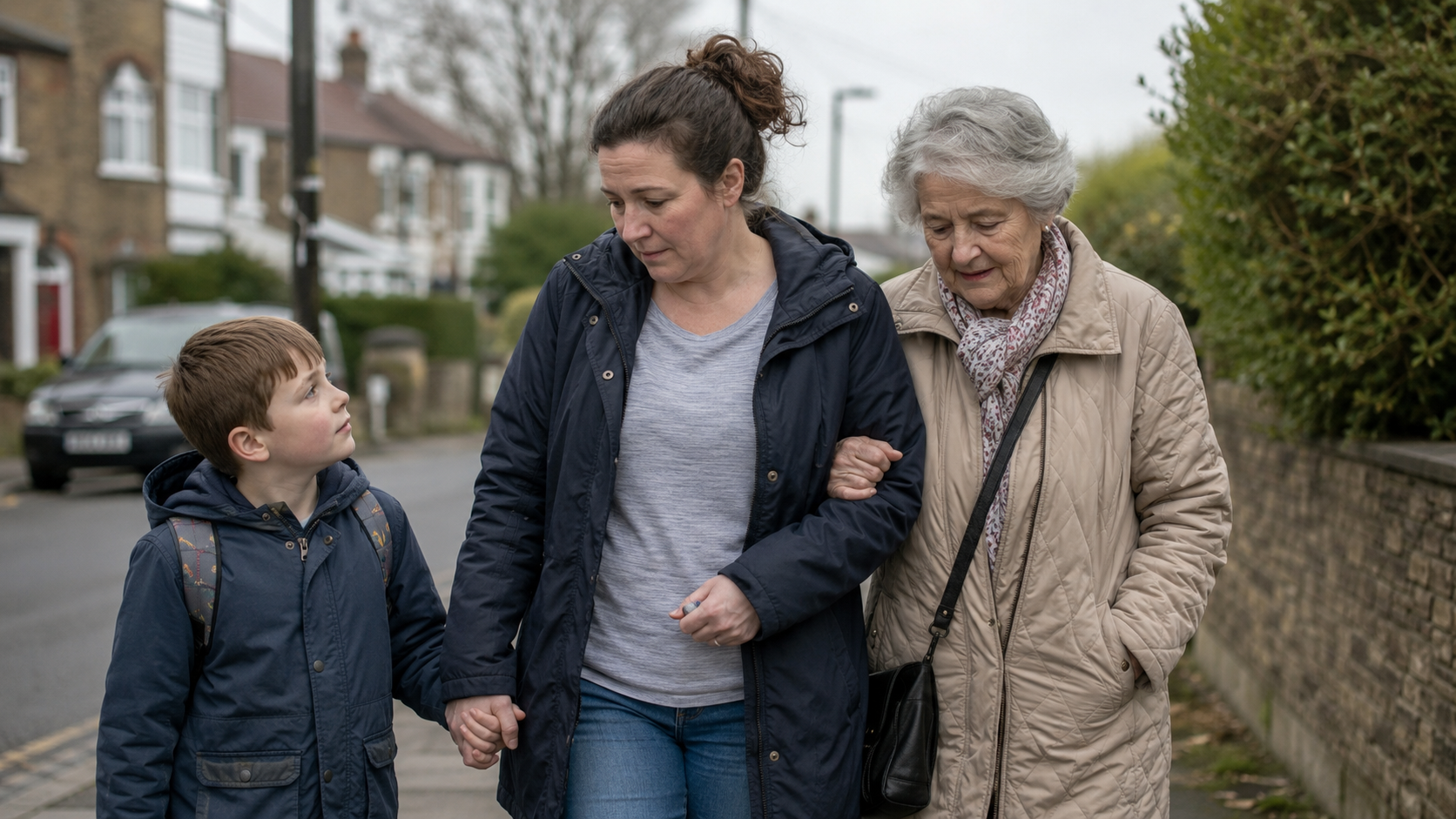
Many people reach a stage in life where they are supporting ageing parents while still raising children, helping teenagers, or providing practical support to adult children.
This is often called the “sandwich generation”: people who feel pulled between the needs of older relatives and younger family members.
It can be a deeply loving role, but it can also be exhausting.
You may be managing school runs, work, household responsibilities, hospital appointments, medication reminders, shopping, emotional support, and late-night worries about whether everyone is safe and coping. If this sounds familiar, you are not failing.
You are carrying a lot. And with the right support, it is possible to protect your wellbeing while making sure your parent receives the care they need.
What does the sandwich generation mean?
The sandwich generation refers to adults who are caring for elderly parents while also caring for children or supporting younger family members.
For some people, this means having young children at home while an elderly parent begins to need help with everyday tasks. For others, it may mean supporting teenagers through exams or university decisions while also managing a parent’s dementia, frailty, mobility issues, or recovery after illness.
It can also affect people whose children are grown up but still need emotional, financial, or practical help. Family life rarely fits neatly into one stage at a time.
Common responsibilities may include:
taking children to school, clubs, or appointments
checking in on an elderly parent each day
organising prescriptions or GP appointments
helping with meals, washing, dressing, or housework
managing bills, paperwork, or care decisions
responding to emergencies or sudden changes in health
trying to maintain work, relationships, and your own health
It is easy to become the person everyone relies on, often without noticing how much your own needs have slipped down the list.
Why caring for children and parents can feel so difficult
Caring for children and parents at the same time is not just busy. It can be emotionally complicated.
With children, you may be focused on growth, development, routines, education, and helping them become more independent. With elderly parents, you may be facing the opposite: seeing someone who once cared for you gradually need more help themselves.
That role reversal can be hard to process. You may feel protective, guilty, frustrated, sad, and grateful all in the same week. You may also feel pressure to be calm and capable for everyone else, even when you are running on very little rest.
Many family carers say the hardest part is not one single task, but the constant mental load. Remembering what needs doing. Anticipating what could go wrong. Feeling responsible when you are not physically there.
Signs the pressure may be leading to carer burnout
Carer burnout can build slowly. At first, you may tell yourself you are just tired or that things will settle down soon. But when caring responsibilities continue without enough support, stress can begin to affect your health, mood, relationships, and ability to cope.
Signs of carer burnout may include:
feeling exhausted even after sleeping
becoming tearful, irritable, or overwhelmed
struggling to concentrate
feeling resentful, then guilty for feeling resentful
losing interest in things you used to enjoy
withdrawing from friends or family
neglecting your own appointments, meals, or rest
feeling anxious when the phone rings
finding it hard to switch off
feeling as though you are never doing enough
Burnout does not mean you do not love your parent or your children. It means the level of responsibility has become too much to carry without more help.
Why guilt is so common for family carers
Guilt is one of the most common feelings among people caring for elderly parents.
You may feel guilty for not visiting enough, not doing more, feeling impatient, arranging outside care, or wanting time for yourself. If your parent is reluctant to accept help, that guilt can feel even heavier.
But needing support does not mean you are abandoning your parent. In many cases, arranging care at home helps families stay closer because visits can become less pressured. Instead of spending every visit rushing through practical tasks, you may have more time to talk, share a meal, or simply enjoy being together.
A good care arrangement supports the whole family, not just the person receiving care.
How care at home can support elderly parents
Care at home, also known as domiciliary care, allows an older person to receive practical and personal support while remaining in familiar surroundings.
For many families, this can be a reassuring middle ground. Your parent can stay in their own home, keep their routines, and receive help with the tasks that are becoming difficult, while you have confidence that someone is checking in and providing professional support.
Care at home may include help with:
getting up and ready for the day
washing, dressing, and personal care
preparing meals and drinks
medication prompts
mobility support around the home
light household tasks
shopping and errands
companionship and conversation
support after hospital discharge
respite visits to give family carers a break
The right support depends on your parent’s needs. Some people may only need a short visit a few times a week. Others may benefit from daily care or more regular support.
How care at home can ease pressure on adult children
When you are caring for children and parents, even small pieces of support can make a significant difference.
A care worker visiting your parent in the morning may mean you can focus on getting your children ready for school without worrying whether your parent has eaten breakfast or taken their medication. A lunchtime visit may mean you are not trying to manage everything during your work break. An evening call may give you peace of mind that your parent is settled before night-time.
Care at home can help by:
reducing the number of urgent tasks falling to you
giving your parent regular support and companionship
helping you manage work and family routines
providing another pair of eyes on changing needs
allowing you to spend more relaxed time with your parent
giving you space to rest and look after your own wellbeing
It is not about replacing family care. It is about sharing the load in a safe, structured, compassionate way.
Supporting a parent who does not want care
Many older people are hesitant about accepting care at home. They may worry about losing independence, having someone new in the house, or admitting that daily tasks have become harder.
If your parent is resistant, it can help to start with gentle, practical support rather than presenting care as a major life change.
You might say:
“It would give me peace of mind if someone could pop in while I’m at work.”
“Let’s try a little help with shopping or lunch and see how it feels.”
“This is about helping you stay independent at home for longer.”
“I want our time together to feel less rushed.”
It can also help to involve your parent in decisions where possible. Ask what they would find useful. Talk about their preferences. Reassure them that care should be shaped around their routine, dignity, and comfort.
Protecting your children while caring for elderly parents
Children often notice more than adults realise. They may see you rushing, worrying, or becoming tired. Depending on their age, they may also feel confused, left out, or anxious about a grandparent’s health.
You do not need to hide everything from them, but it can help to explain the situation in a calm, age-appropriate way.
For younger children, simple reassurance may be enough: “Grandad needs a bit more help now, and we’re making sure he is looked after.”
For teenagers, it may be helpful to be more open about the practical realities while making it clear they are not responsible for fixing the situation.
Try to protect family time where you can. Even small routines matter, such as dinner together, a bedtime chat, or a weekly activity that is not interrupted by care tasks unless there is an emergency.
When outside care support is in place, it can reduce the sense that every family moment is at risk of being overtaken by another responsibility.
Caring for elderly parents while working
Many people in the sandwich generation are also working. This adds another layer of pressure, especially if you are taking calls during the workday, using annual leave for appointments, or feeling distracted because you are worried about your parent.
If your caring role is affecting work, it may help to:
keep a clear list of your parent’s regular appointments and care needs
speak to your employer if you feel comfortable doing so
explore flexible working options where appropriate
share responsibilities with siblings or other relatives where possible
consider care at home to cover key points in the day
avoid becoming the only emergency contact if others can help
It is common for one family member to become the default organiser. Sometimes this happens because they live closest, are perceived as more capable, or have already taken on the role. But being capable does not mean you should have to do everything alone.
When to consider extra support
There may not be one obvious moment when care becomes necessary. Often, families adapt gradually until they realise the current arrangement is no longer sustainable.
It may be time to consider care at home if:
your parent is struggling with washing, dressing, meals, or medication
you are visiting out of worry rather than choice
your children or work are regularly affected by care responsibilities
your parent has had falls, confusion, or increasing frailty
you feel anxious leaving them alone
family relationships are becoming strained
you are showing signs of carer burnout
your parent would benefit from more companionship
Getting help earlier can prevent a crisis. It can also give your parent time to build trust with their care team before needs become more complex.
The value of companionship for older parents
Care is not only about physical tasks. Loneliness and isolation can have a significant impact on an older person’s confidence and wellbeing.
If your parent lives alone, companionship visits may be a gentle way to introduce support. A care worker can spend time talking, preparing a meal, going for a short walk, helping with hobbies, or simply being a regular friendly presence.
For adult children, this can bring real reassurance. Knowing your parent has someone checking in can ease the feeling that their emotional wellbeing depends entirely on you.
Respite care: giving family carers time to breathe
Respite care provides temporary support so family carers can rest, work, attend appointments, spend time with children, or take a break.
Some people feel uncomfortable arranging respite because they think they should be able to manage. But rest is not a luxury when you are caring for others. It is part of keeping the whole arrangement safe and sustainable.
Respite care might be used for:
a few hours each week
support during school holidays
cover while you attend work meetings or appointments
recovery time after a stressful period
help while you go away for a short break
extra support after your parent has been unwell
Taking time away does not mean stepping back from your parent. It can help you return with more patience, energy, and emotional steadiness.
How to talk to siblings and relatives about sharing care
Family conversations about care can be sensitive. One person may feel they are doing most of the work, while others may not fully understand what is involved.
It can help to move the conversation away from general statements such as “I need more help” and towards specific tasks.
For example:
“Can you take over Mum’s prescription ordering each month?”
“Could you visit every other Saturday?”
“Can you manage the hospital transport next time?”
“Would you contribute towards a weekly care visit?”
“Can you be the second emergency contact?”
If relatives live far away, they may still be able to help with phone calls, paperwork, research, bills, online shopping, or arranging appointments.
Professional care can also reduce family tension by creating a clearer support structure. This may be especially useful when relatives disagree about what should happen next.
Looking after yourself without feeling selfish
When you are responsible for others, self-care can sound unrealistic. You may not have time for long breaks or peaceful weekends. But protecting your wellbeing does not have to mean making dramatic changes all at once.
Start with small, practical steps:
eat proper meals when you can
keep your own health appointments
set limits around non-urgent calls
ask for help before you reach breaking point
accept that “good enough” is sometimes enough
take short moments of quiet where possible
stay connected to at least one person you can be honest with
You are part of the care picture too. Your health matters, not only because others rely on you, but because you deserve support in your own right.
Creating a more sustainable care plan
A sustainable care plan should consider your parent’s needs, your children’s needs, and your own capacity.
It may help to write down:
what your parent needs every day
what they need weekly or occasionally
what you are currently doing
what other relatives can realistically do
where professional care could reduce pressure
what would happen in an emergency
what signs would show that more support is needed
This can make the situation feel less overwhelming. It also helps when speaking to a care provider, because you can explain what is happening and where support would make the biggest difference.
How Sylvian Care can help families in the sandwich generation
For families caring for elderly parents while raising children, care at home can bring structure, reassurance, and breathing space.
Sylvian Care supports people to live safely and comfortably at home, with care shaped around their needs and routines. This may include personal care, companionship, meal support, medication prompts, help around the home, or respite care for family carers.
Just as importantly, care at home can help families feel less alone. When you have reliable support in place, you can move from constantly reacting to having a plan that protects everyone’s wellbeing.
You do not have to carry everything alone
Caring for children and parents at the same time can be rewarding, but it can also be one of the most demanding phases of family life. If you are tired, stretched, or worried about carer burnout, it may be time to think about what support could make life feel more manageable.
Asking for help is not a sign that you have failed. It is often the step that allows care to continue with more calm, dignity, and kindness for everyone involved.
FAQs
What is the sandwich generation?
The sandwich generation describes adults who are caring for elderly parents while also raising children or supporting younger family members. They often manage practical, emotional, and financial responsibilities across two generations.
How can I manage caring for children and elderly parents?
Start by listing the tasks you are currently handling, then identify what can be shared with relatives or supported by professional care at home. Even a few regular care visits can reduce pressure and help create a more manageable routine.
What are the signs of carer burnout?
Signs of carer burnout can include exhaustion, irritability, anxiety, poor sleep, guilt, loss of motivation, and feeling overwhelmed. If caring is affecting your health, work, or family life, it is important to seek support.
Can care at home help if I am looking after my parent and children?
Yes. Care at home can support your parent with daily tasks such as personal care, meals, medication prompts, companionship, and mobility. This can give you more time and energy for your children, work, and your own wellbeing.
How do I talk to my elderly parent about accepting care?
Approach the conversation gently and focus on independence, safety, and reassurance. It may help to suggest starting with a small amount of support, such as help with meals, shopping, or companionship, rather than presenting care as a major change.
Is it selfish to arrange respite care?
No. Respite care gives family carers time to rest, work, attend appointments, or spend time with their children. Taking breaks can help prevent burnout and make caring more sustainable.
When should I arrange care at home for an elderly parent?
It may be time to arrange care at home if your parent is struggling with daily tasks, becoming isolated, missing medication, having falls, or needing more support than family can safely provide. Early support can often prevent a crisis.
How can I reduce guilt as a family carer?
Remind yourself that arranging help is not abandoning your parent. Professional care can support their independence, improve safety, and allow your relationship to focus less on tasks and more on quality time together.
Looking for care at home for yourself or a loved one? Get in touch with your local Sylvian Care team to talk through your needs and find out how we can help.