
Elderly Home Safety Checklist: Hot Weather Edition
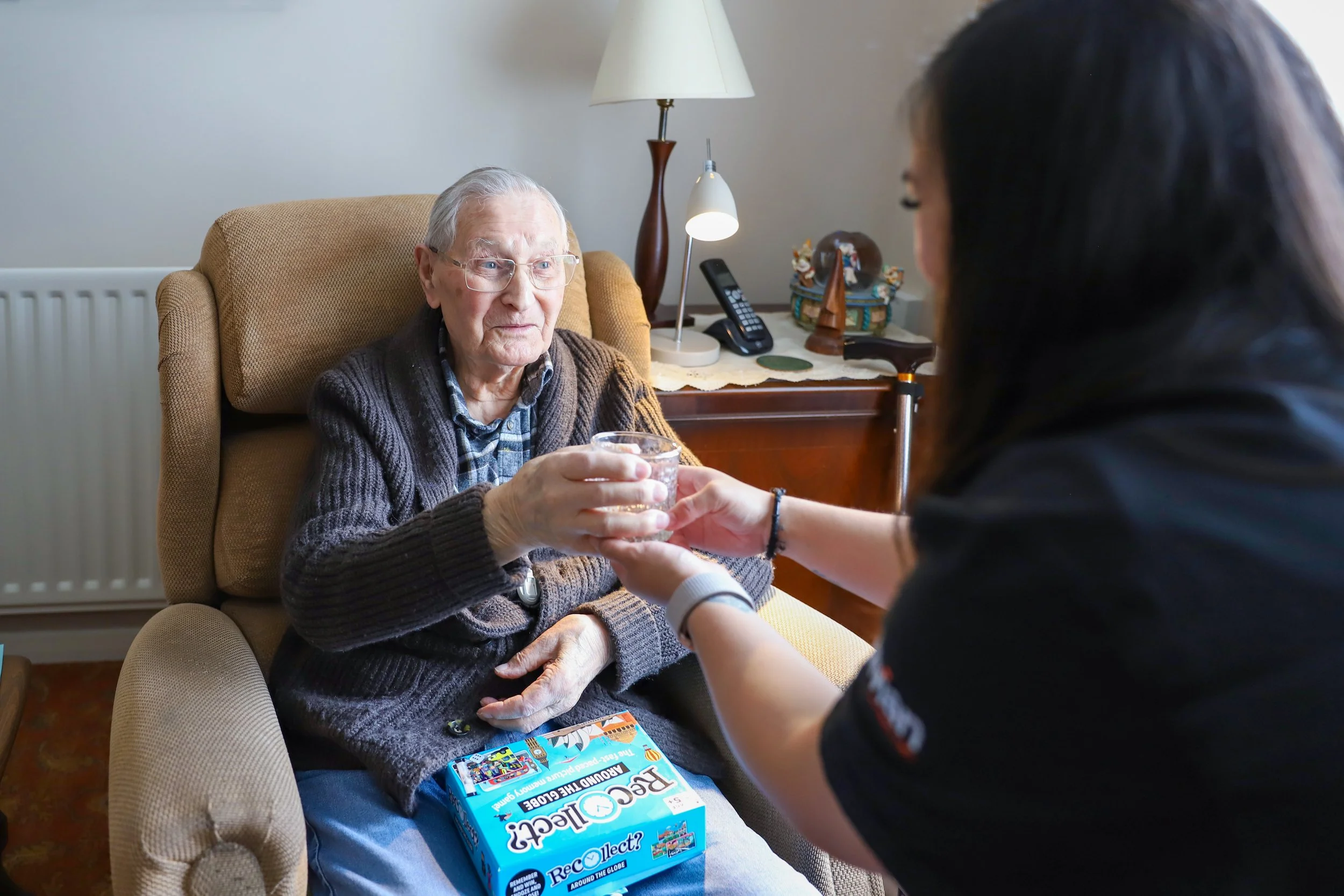
Hot weather can be uncomfortable for anyone, but for older people it can quickly become more serious. During a heatwave, small changes at home can make a big difference to comfort, safety and wellbeing.
Older people may be more affected by heat because of existing health conditions, reduced mobility, some medications, or because they live alone and may not notice early signs of becoming too hot. For families, friends and carers, having a simple hot weather checklist can help everyone feel more prepared.
This elderly home safety checklist is designed to support safer care at home during warm spells, especially when temperatures stay high for several days.
Why Heatwaves Can Be Riskier for Older People
As we age, the body may find it harder to regulate temperature. Some older people may not feel thirsty as quickly, while others may avoid drinking more because they worry about getting to the toilet in time.
Hot weather can also make existing conditions feel worse, particularly for people living with heart conditions, breathing difficulties, diabetes, kidney problems, dementia or reduced mobility.
That does not mean every warm day is a cause for alarm. It simply means a little planning matters.
1. Keep the Home as Cool as Possible
The first step in hot weather elderly care is reducing heat inside the home.
A useful home safety checklist includes:
Close curtains or blinds in rooms that face the sun during the day
Open windows when the air outside feels cooler, often in the evening or early morning
Keep internal doors open where safe, to help air circulate
Use fans carefully, making sure cables do not create a trip hazard
Turn off unnecessary lights and electrical items
Avoid using the oven during the hottest part of the day
If one room stays cooler than the rest of the home, encourage the older person to spend more time there during peak heat.
2. Make Hydration Easy and Visible
Drinking enough is one of the simplest ways to stay safer during a heatwave, but it is also one of the easiest things to forget.
Place drinks within easy reach in the rooms the person uses most. A jug of water, diluted squash, milk, or other preferred drinks can make regular sipping more likely.
For someone receiving care at home, carers can help by:
Offering drinks regularly
Noting how much the person is drinking
Encouraging foods with higher water content, such as fruit, yoghurt or soups served cool
Watching for signs that the person is drinking less than usual
Families should also remember that “I’m not thirsty” does not always mean the person has had enough fluid.
3. Plan the Day Around the Heat
During very hot weather, it is sensible to shift daily routines.
Try to keep busier activities, appointments, shopping, gardening or short walks to the cooler parts of the day. The hottest period is often late morning to mid-afternoon, so this is usually the time to rest indoors, keep shaded and avoid unnecessary exertion.
For older people who like routine, this can feel frustrating. A carer or family member can help by keeping the day familiar while gently adjusting the timing.
For example:
Morning wash and dressing before the home warms up
Light meals instead of heavy cooking
Rest time in the coolest room
Short outdoor time early or later in the day, if safe
4. Choose Cool, Comfortable Clothing
Clothing makes a real difference in hot weather.
Lightweight, loose-fitting clothing can help the body stay cooler. Natural fabrics such as cotton may feel more comfortable, and lighter colours are often better in the sun.
Also check:
Footwear is still safe and supportive
Hats are available if going outside
Sunglasses are easy to find
Sun cream is available and in date
For people with dementia or sensory sensitivities, changing clothing choices may need a gentle approach. A familiar outfit in a lighter fabric can feel less unsettling than something completely new.
5. Check Medication and Health Needs
Some medications and health conditions can affect how someone responds to heat. It is important not to stop or change medication without professional advice, but families and carers can make sure medicines are stored correctly and taken as prescribed.
During a heatwave, check:
Medication is not left in direct sunlight
Repeat prescriptions are ordered in good time
The person is taking medication as directed
Any specific advice from a GP, pharmacist or district nurse is being followed
If the person seems unusually drowsy, confused, dizzy, weak, breathless, or unwell, seek medical advice promptly. If symptoms are severe or you are worried it could be an emergency, call 999.
6. Reduce Trip and Fall Risks
Hot weather can change how people move around the home. Fans, open windows, trailing extension leads, extra drinks tables and changed routines can all increase the risk of trips.
A quick safety check can help:
Keep fan cables tucked safely away
Make sure walkways are clear
Keep drinks close by but not where they can spill underfoot
Check rugs are secure
Ensure night lights are working if windows are opened or routines change
Keep mobility aids in their usual place
If an older person gets up more often to use the toilet because they are drinking more, clear routes become even more important.
7. Support Safe Eating During Hot Weather
Appetite can reduce in warm weather. That is not unusual, but older people still need regular nourishment.
Smaller, lighter meals may be easier. Salads, sandwiches, fruit, yoghurt, eggs, cold pasta, or simple snacks can be useful depending on the person’s preferences and dietary needs.
For someone receiving elderly care at home, carers can support by preparing simple meals, encouraging regular snacks and checking whether food has been stored safely in warm conditions.
8. Keep in Regular Contact
One of the most important parts of heatwave safety is regular contact.
Older people living alone may not ask for help until they are already struggling. A short phone call, visit or care call can help spot changes early.
Useful questions include:
Have you had a drink recently?
Which room feels coolest today?
Have you eaten something?
Are you feeling dizzy, tired or more confused than usual?
Do you need help closing blinds, moving a fan or preparing food?
Care at home can be especially valuable during hot weather because carers can notice changes in behaviour, appetite, hydration, mobility and general wellbeing.
9. Prepare Before the Next Hot Spell
The best time to prepare for a heatwave is before it arrives.
Families can help by making sure the home has:
Working fans if appropriate
Light bedding
Easy-to-open windows, where safe
Curtains or blinds that block direct sun
Plenty of preferred drinks
Simple meal options
A list of emergency contacts
A clear plan for who will check in and when
If the person already receives home care, it may be helpful to talk to the care team about any seasonal changes needed during hot weather.
How Care at Home Can Help During a Heatwave
Professional care at home can provide practical reassurance during periods of extreme heat. A carer can help with personal care, preparing drinks and meals, adjusting the home environment, supporting medication routines and keeping family members informed.
Just as importantly, regular visits provide companionship and another pair of observant eyes. In hot weather, noticing small changes early can make all the difference.
FAQs
Why are heatwaves dangerous for older people?
Heatwaves can be more dangerous for older people because the body may find it harder to regulate temperature with age. Health conditions, medication, reduced mobility and living alone can also increase the risk of becoming unwell in hot weather.
How can I keep an elderly person cool at home?
Keep curtains or blinds closed in sunny rooms, open windows when the air outside is cooler, encourage regular drinks, use fans safely, avoid cooking with the oven during the hottest part of the day and help the person rest in the coolest room.
What should elderly people drink during a heatwave?
Water is a good choice, but many drinks can help with hydration. Squash, milk and other preferred non-alcoholic drinks may encourage an older person to drink more regularly. If they have fluid restrictions, follow advice from their GP or healthcare professional.
What are warning signs that an older person is struggling in the heat?
Warning signs can include dizziness, confusion, unusual tiredness, weakness, headache, muscle cramps, feeling sick, breathlessness or a noticeable change in behaviour. Seek medical advice if you are concerned, and call 999 in an emergency.
Should older people go outside during a heatwave?
Older people should avoid being outside during the hottest part of the day where possible. If they do go out, it is better to choose cooler times, stay in the shade, wear a hat and light clothing, use sun cream and take a drink.
How can care at home support elderly people in hot weather?
Care at home can help older people stay safer during a heatwave by supporting hydration, meals, personal care, medication routines, keeping the home cooler and checking for changes in wellbeing.
What should families check before hot weather arrives?
Families should check that drinks are available, fans are safe to use, curtains or blinds work properly, medication is stored correctly, walkways are clear and there is a plan for regular contact during the heatwave.
Looking for care at home for yourself or a loved one? Get in touch with your local Sylvian Care team to talk through your needs and find out how we can help.