
Transitioning from Hospital to Home: A Step-by-Step Guide for Families
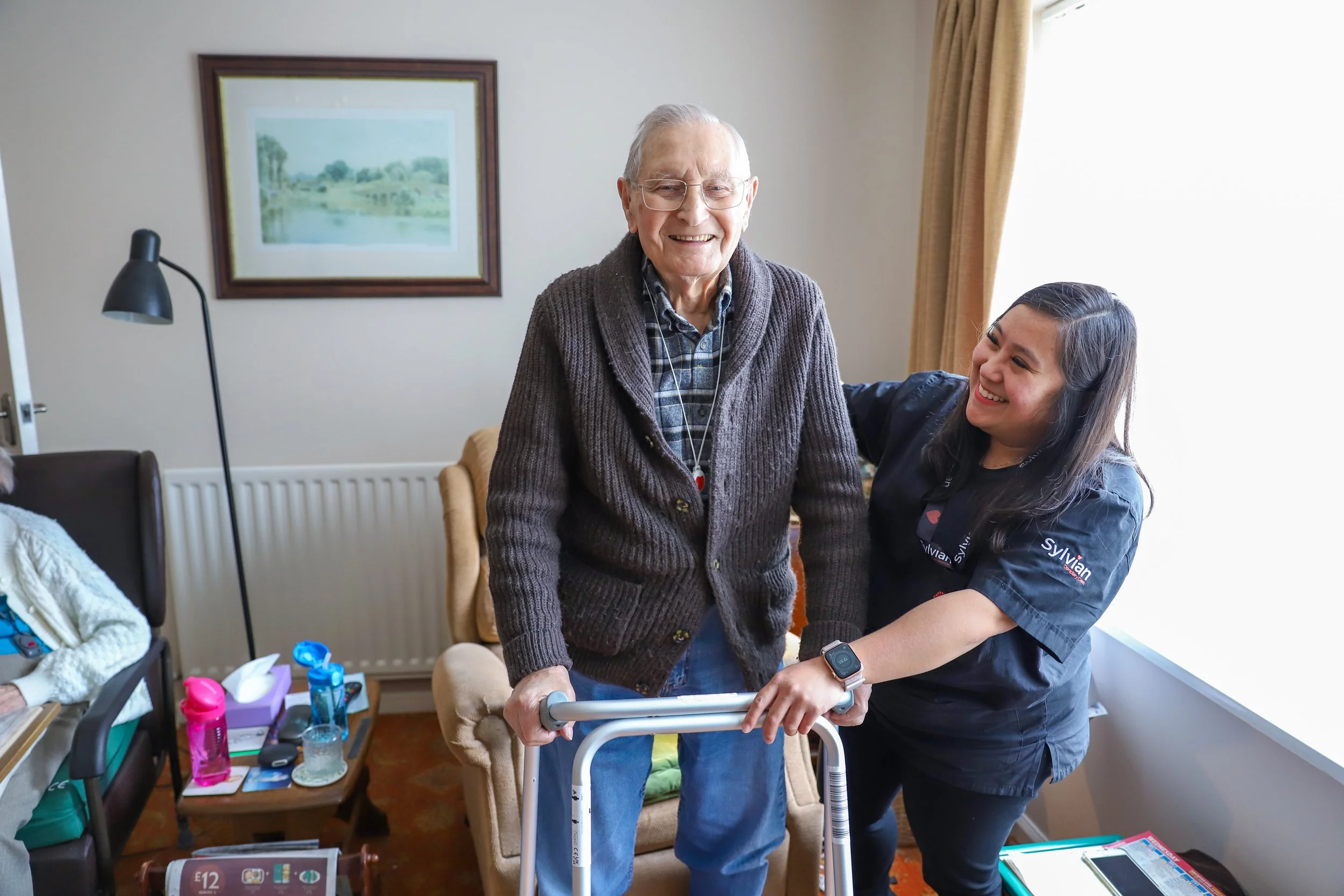
When your elderly loved one is ready to leave the hospital, it's natural to feel a mix of relief and anxiety. The transition from hospital to home is a critical period that requires careful planning, coordination, and support.
Whether your family member is recovering from surgery, managing a chronic condition, or adjusting to new care needs, understanding the discharge process can make all the difference in ensuring a smooth, safe return home.
At Sylvian Care, we've supported hundreds of families through this exact journey.
We know that hospital discharge isn't just about leaving a building—it's about creating a comprehensive care plan that allows your loved one to recover with dignity, maintain their independence, and feel secure in their own home. In this guide, we'll walk you through every step of the hospital-to-home transition, from the moment of admission through those critical first weeks at home.
Why Hospital-to-Home Transition Planning Matters
The statistics are compelling: patients who receive comprehensive discharge planning have significantly lower hospital readmission rates and experience better health outcomes. Yet many families feel unprepared when discharge day arrives, leading to preventable complications, medication errors, and unnecessary stress.
A well-planned hospital-to-home transition isn't just about logistics—it's about:
Preventing readmissions: Proper planning reduces the risk of complications that send patients back to hospital
Ensuring medication safety: Clear instructions prevent dangerous drug interactions and dosing errors
Maintaining independence: Thoughtful home preparation allows your loved one to regain confidence and autonomy
Reducing caregiver stress: When everyone knows their role, family members can focus on supporting recovery rather than scrambling for solutions
Improving recovery outcomes: Coordinated care between hospital staff, home care providers, and family members accelerates healing
The good news? With the right preparation and support, you can navigate this transition successfully.
Step 1: Start Planning Before Hospital Discharge
Begin Conversations Early
The best time to think about discharge is actually before your loved one even arrives at the hospital. If an admission is planned (such as for surgery), start these conversations weeks in advance. If the hospitalization is unexpected, initiate discharge planning discussions as soon as your family member is admitted—ideally within the first 24-48 hours.
Why so early? Because effective discharge planning requires time. You need to:
Understand your loved one's medical condition and recovery timeline
Assess what care and support will be needed at home
Arrange services, equipment, and personnel
Prepare your home environment
Coordinate schedules among family members and care providers
Request a Discharge Planning Evaluation
Most hospitals are required to offer discharge planning evaluations to inpatient admissions. Don't wait for staff to mention it—ask directly. Request a meeting with the hospital's discharge coordinator or social worker. This professional will assess your loved one's medical, functional, and social needs and help create a personalized discharge plan.
Designate a Family Point Person
Hospitals involve many professionals: doctors, nurses, physiotherapists, occupational therapists, social workers, and more. To avoid confusion and ensure consistent communication, designate one family member as the primary contact. This person should:
Attend all discharge planning meetings
Ask questions and clarify instructions
Coordinate with other family members
Serve as the main contact for hospital staff
Keep detailed notes on all recommendations
This single point of contact reduces miscommunication and ensures nothing falls through the cracks.
Step 2: Assemble Your Multidisciplinary Care Team
Effective hospital-to-home transitions involve collaboration among multiple professionals who understand different aspects of your loved one's needs.
Hospital-Based Team Members
During hospitalization, you'll work with:
Consultant or attending physician: Oversees medical care and recovery
Nursing staff: Provides daily care and monitors vital signs
Discharge coordinator: Manages the discharge planning process
Social worker: Assesses social and emotional needs, identifies community resources
Physiotherapist: Evaluates mobility and recommends exercises
Occupational therapist: Assesses ability to perform daily activities and recommends home modifications
Pharmacist: Reviews medications and potential interactions
Specialist doctors: If your loved one has specific conditions (cardiology, neurology, etc.)
Your Home Care Team
Before discharge, you'll also need to identify who will provide care at home:
Family caregivers: Spouse, adult children, or other relatives
Home care workers: Professional carers who provide personal care, companionship, and support
Home health nurses: Provide medical care, wound care, or medication management
General practitioner: Coordinates ongoing medical care
Community services: District nurses, physiotherapists, or other specialists
At Sylvian Care, we work closely with families and hospital discharge teams to ensure seamless transitions. Our experienced care workers can provide everything from personal care and companionship to specialized support for dementia, mobility issues, or post-operative recovery.
Step 3: Develop a Comprehensive Discharge Plan
Your discharge plan is your roadmap for the first weeks and months at home. A thorough plan should include:
Medical Information
Diagnosis and prognosis: What condition is your loved one recovering from, and what's the expected recovery timeline?
Current medications: A complete list with dosages, frequency, and any recent changes
Medication instructions: How to administer medications, potential side effects, and what to watch for
Dietary requirements: Any restrictions or special nutritional needs
Activity restrictions: What your loved one should and shouldn't do during recovery
Warning signs: Symptoms that require immediate medical attention
Follow-Up Care
GP appointment: Usually scheduled within 1-2 weeks of discharge
Specialist appointments: Any follow-up with consultants or specialists
Therapy schedules: Physiotherapy, occupational therapy, or speech therapy sessions
Monitoring requirements: Blood pressure checks, blood tests, or other monitoring
Home Care Services
Type of care needed: Personal care, companionship, medication reminders, meal preparation, etc.
Frequency and hours: How many hours per day or week care is needed
Specific tasks: What the care worker will help with
Care provider details: Name, contact information, and schedule
Equipment and Modifications
Durable medical equipment: Wheelchairs, walkers, commodes, hospital beds, oxygen equipment, etc.
Home modifications: Grab bars, shower chairs, ramps, stair lifts, or other adaptations
Delivery timeline: When equipment will arrive and be installed
Emergency Planning
Emergency contacts: Doctor, hospital, care agency, family members
Emergency procedures: What to do if your loved one falls, has chest pain, or experiences other emergencies
Medication allergies: Clearly documented for all care providers
Lifestyle and Goals
Recovery goals: What does your loved one hope to achieve during recovery?
Preferences and routines: How does your loved one like to spend their day? What activities are important to them?
Dignity and independence: How can care be provided in a way that respects your loved one's autonomy and preferences?
Step 4: Prepare Your Home Environment
A safe, accessible home environment is essential for successful recovery. Begin preparations at least 1-2 weeks before discharge.
Safety Modifications
Remove hazards: Clear pathways of clutter, loose rugs, electrical cords, and other tripping hazards
Improve lighting: Ensure hallways, bathrooms, and bedrooms are well-lit, especially at night
Install grab bars: Add grab bars in bathrooms near the toilet and shower
Secure rugs: Use non-slip mats or secure rugs to prevent slipping
Arrange furniture: Ensure furniture is positioned to create clear pathways and easy access
Bathroom Adaptations
Shower chair or bench: Makes bathing safer and easier
Raised toilet seat: Reduces the distance your loved one needs to lower themselves
Non-slip mat: Prevents slipping in the shower or bath
Handheld showerhead: Makes bathing easier if mobility is limited
Towel rails: Provides something to hold onto for stability
Bedroom and Living Space
Main-floor sleeping: If stairs are difficult, arrange a bedroom on the ground floor
Accessible bed: Consider a bed that's easier to get in and out of, or add bed rails for safety
Bedside table: Keep medications, water, phone, and other essentials within reach
Comfortable seating: Chairs with good back support and armrests make sitting and standing easier
Kitchen and Meals
Stock groceries: Plan and prepare meals for the first week or two
Accessible storage: Keep frequently used items at waist height, not on high shelves or low cupboards
Meal preparation: Consider preparing and freezing meals in advance
Hydration: Keep water and other beverages easily accessible
Equipment Delivery
Ensure all necessary equipment is ordered and will be delivered before discharge:
Confirm delivery dates with suppliers
Arrange for someone to be home to receive deliveries
Test equipment to ensure it works properly
Arrange for training on how to use equipment safely
Step 5: Coordinate Support and Logistics
Successful home recovery requires coordination among family members and care providers.
Family Schedules
Create a care schedule: Map out who will be present at home and when
Identify backup support: What happens if a family member becomes ill or unavailable?
Plan for appointments: Arrange transportation to medical appointments
Share responsibilities: Divide tasks like meal preparation, medication management, and companionship
Professional Care Services
Select a care agency: If professional care is needed, research and select a reputable provider
Conduct interviews: Meet potential care workers and ensure they're a good fit for your loved one
Clarify expectations: Discuss specific tasks, hours, and any special requirements
Establish communication: Agree on how you'll communicate about your loved one's progress and any concerns
At Sylvian Care, we understand that every family's situation is unique. Whether you need a few hours of care per week or 24-hour live-in support, we work with you to create a personalized care plan that fits your family's needs and budget. Our care workers are carefully selected, thoroughly vetted, and trained in elderly care, dementia support, and post-operative recovery.
Emergency Planning
Create an emergency contact list: Include doctors, hospital, care agency, family members, and neighbours
Establish emergency procedures: What should your loved one or care worker do in case of falls, chest pain, or other emergencies?
Keep important documents accessible: Medical records, medication lists, insurance information, and advance directives should be easily available
Inform neighbours: Let trusted neighbours know that your loved one has recently returned home and may need assistance
Step 6: Review and Execute the Discharge Plan
As discharge day approaches, ensure everything is in place.
Final Hospital Meetings
Meet with the discharge coordinator: Review the complete discharge plan and ask any remaining questions
Speak with the doctor: Confirm recovery expectations, activity restrictions, and warning signs
Meet with nursing staff: Get practical tips on wound care, medication administration, or other specific needs
Collect all written materials: Request copies of discharge summaries, medication lists, appointment schedules, and care instructions
Medication Management
Obtain all medications: Ensure your loved one leaves the hospital with all prescribed medications
Understand each medication: Know what each medication is for, how to take it, and potential side effects
Set up a system: Use a pill organizer, medication reminder app, or care worker support to ensure medications are taken correctly
Identify a pharmacy: Choose a local pharmacy and inform them of all medications to check for interactions
Transportation
Arrange safe transport: Ensure your loved one has a safe way to get home (family member, taxi, or ambulance if needed)
Plan for comfort: Bring pillows or cushions if your loved one will be uncomfortable sitting for long periods
Have someone available: Ensure a family member or care worker will be home when your loved one arrives
Welcome Home
Prepare the home: Ensure the house is clean, warm, and welcoming
Stock essentials: Have groceries, medications, and any needed supplies on hand
Arrange for rest: Plan a quiet first day to allow your loved one to settle in and rest
Be present: Have a family member available during the first few hours at home to help with settling in and answer questions
Step 7: Monitor Progress and Adjust Care in the First 30 Days
The first month at home is critical. This is when most complications arise and when adjustments to the care plan are often needed.
Daily Monitoring
Watch for warning signs: Know what symptoms require immediate medical attention (fever, chest pain, severe pain, confusion, etc.)
Monitor medications: Ensure your loved one is taking medications as prescribed and watch for side effects
Track recovery progress: Note improvements in mobility, appetite, sleep, and mood
Maintain hygiene: Help with bathing, grooming, and other personal care as needed
Encourage activity: Support gentle movement and exercise as recommended by physiotherapists
Weekly Check-Ins
Contact the GP: Schedule a check-in call or visit within the first week
Review the care plan: Discuss how things are going with your loved one and care workers
Adjust as needed: If something isn't working, address it quickly
Celebrate progress: Acknowledge improvements and milestones in recovery
Attend Follow-Up Appointments
Keep all appointments: Don't skip follow-up visits with doctors or specialists
Bring a list of questions: Write down concerns or symptoms to discuss
Take notes: Document what the doctor says about recovery progress and any changes to the care plan
Ask about next steps: Understand what to expect in the coming weeks and months
Prevent Readmission
Research shows that most hospital readmissions within 30 days are preventable. To reduce this risk:
Follow medical advice: Adhere to activity restrictions, dietary recommendations, and medication schedules
Manage medications carefully: Take medications exactly as prescribed and report any side effects
Watch for complications: Know the warning signs specific to your loved one's condition
Maintain communication: Keep the GP and care team informed of any concerns
Support emotional wellbeing: Depression and anxiety are common after hospitalization; provide emotional support and consider counselling if needed
Common Challenges and How to Address Them
Challenge: Medication Confusion
Solution: Create a simple medication chart showing each medication, what it's for, when to take it, and potential side effects. Use a pill organizer or ask a care worker to manage medications.
Challenge: Mobility and Fall Risk
Solution: Ensure the home is safe with grab bars and clear pathways. Encourage gentle movement and physiotherapy exercises. Consider a personal alarm system so your loved one can call for help if they fall.
Challenge: Emotional Adjustment
Solution: Recognize that returning home after hospitalization can be emotionally challenging. Provide companionship, listen to concerns, and consider counselling or support groups if your loved one is struggling with depression or anxiety.
Challenge: Caregiver Burnout
Solution: Don't try to do everything yourself. Professional care workers can provide respite, allowing family members to rest and recharge. At Sylvian Care, we offer flexible care arrangements that support both your loved one and your family.
Challenge: Coordinating Multiple Care Providers
Solution: Designate one person to coordinate communication among all care providers. Use a shared care plan document or communication log to ensure everyone is informed.
How Sylvian Care Supports Hospital-to-Home Transitions
At Sylvian Care, we specialize in helping families navigate the hospital-to-home transition with confidence and peace of mind. Our services include:
Personalized Care Planning
We work with you and your loved one's medical team to develop a comprehensive care plan that addresses all physical, emotional, and practical needs.
Experienced Care Workers
Our care workers are carefully selected, thoroughly vetted, and trained in elderly care, post-operative recovery, dementia support, and specialized medical needs. They provide compassionate, professional care that respects your loved one's dignity and independence.
Flexible Care Options
Whether you need a few hours of care per week, overnight support, or 24-hour live-in care, we offer flexible arrangements that fit your family's needs and budget.
Coordination with Medical Professionals
We communicate regularly with your GP, hospital discharge teams, and other healthcare providers to ensure seamless, coordinated care.
Companionship and Emotional Support
Beyond practical care, our workers provide the companionship and emotional support that's so important during recovery.
Respite Care
We offer respite care to give family caregivers a break, preventing burnout and allowing them to recharge.
Your Next Steps
Transitioning from hospital to home doesn't have to be overwhelming. With proper planning, the right support, and clear communication, you can ensure your loved one has a safe, comfortable recovery in the familiar surroundings of home.
Here's what we recommend:
Start planning early: Don't wait until discharge day to think about what comes next
Ask questions: Make sure you understand the discharge plan and feel confident in your ability to support recovery
Prepare your home: Make safety modifications and arrange equipment before your loved one comes home
Arrange professional support: Consider whether professional care would help your family manage the transition
Stay organized: Keep all medical information, medication lists, and appointment schedules in one place
Monitor progress: Watch for warning signs and maintain regular contact with healthcare providers
Take care of yourself: Remember that supporting a recovering loved one is demanding; make sure you're getting the support you need too
Ready to Get Support?
If you're facing a hospital-to-home transition and would like professional support, Sylvian Care is here to help. We offer free, no-obligation consultations to discuss your loved one's needs and explore how our care services can support your family.
Contact Sylvian Care today for a free consultation. Our compassionate care coordinators will listen to your situation, answer your questions, and help you create a care plan that works for your family. Whether you need a few hours of care per week or comprehensive 24-hour support, we're here to help your loved one recover with dignity, independence, and the comfort of being at home.
Call us or visit our website to learn more about our home care services. Because at Sylvian Care, we believe that everyone deserves the independence and respect to live life the way they want to—especially during recovery.