
Why Familiar Music Can Have Such a Powerful Effect on Someone With Dementia
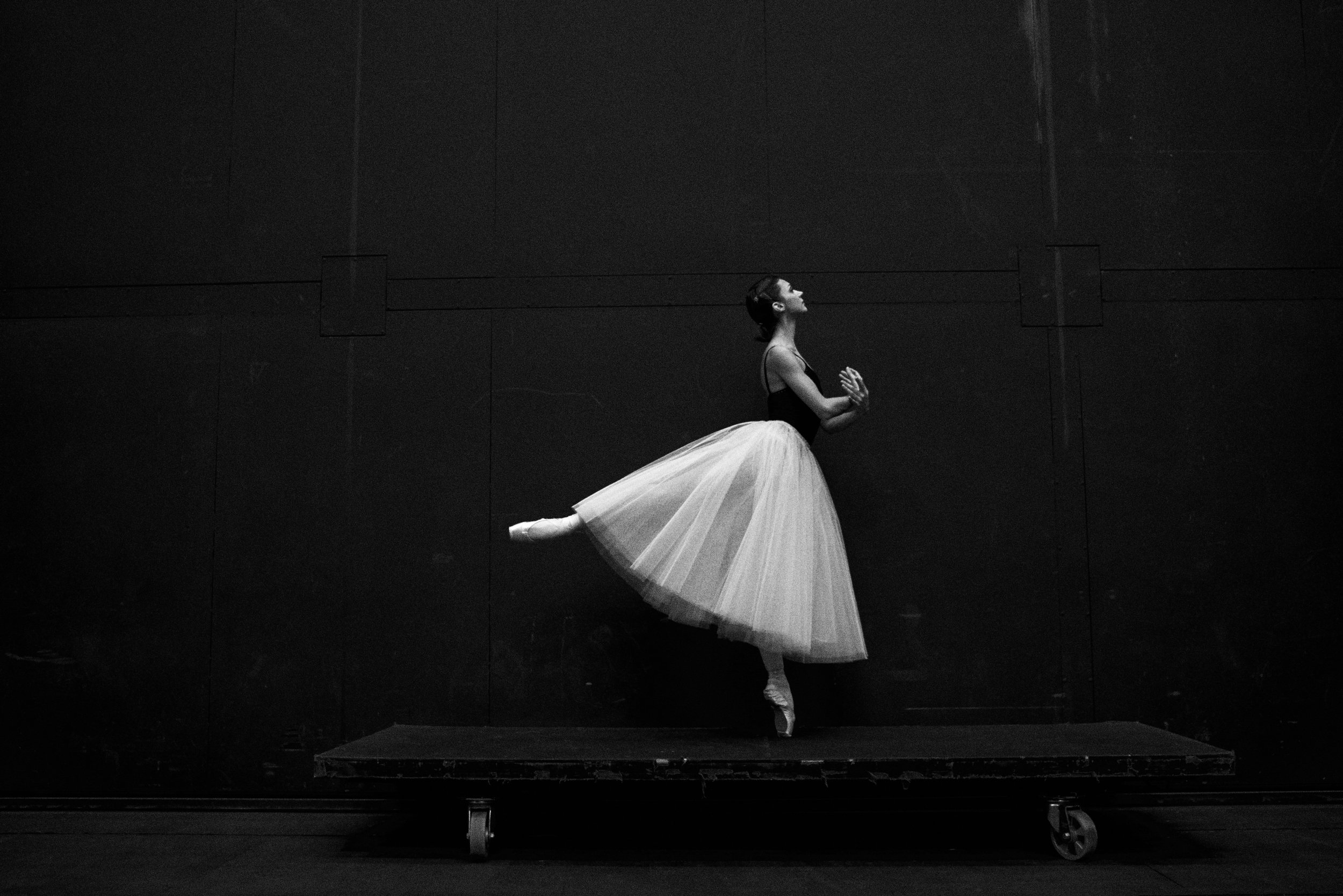
In a video that touched millions of people, former ballerina Marta C. González, who was living with Alzheimer’s disease, listens to music from Swan Lake.
As the familiar music begins, she raises her arms and moves with the grace and precision of a dancer returning to well-practised choreography.
Often described online as the “dementia ballerina” video, the moment offered a moving glimpse of how deeply music, movement and personal identity can be connected.
Not everyone living with dementia will respond to music in such a visible way. However, a familiar song may bring a smile, prompt someone to sing, encourage gentle movement or create a sense of calm and recognition.
For relatives and carers, music can provide a valuable way to connect when everyday conversation becomes more difficult.
Why Can Music Be So Meaningful for Someone With Dementia?
Dementia affects people differently, and its impact can change as the condition progresses. Someone may have difficulty recalling recent events, finding words or recognising their surroundings, yet still respond strongly to a melody they have known for many years.
Music is closely linked with memory, emotion and movement. A song may be connected to a wedding, a childhood home, a favourite dance, a religious service or an important relationship. Hearing it again can bring back not only details from the past, but also some of the feelings associated with that time.
Music engages several areas of the brain, including those involved in memory, attention, emotion and movement. This may help explain why a person can sometimes remember the words or rhythm of a familiar song even when other forms of recall have become difficult. Alzheimer’s Society
The Story Behind the Dementia Ballerina Video
Marta C. González was a former dancer who lived with Alzheimer’s disease. In the widely shared video, she listens through headphones to Tchaikovsky’s music from Swan Lake. She begins to move her arms in time with the piece, appearing to reconnect with movements she had performed during her dancing life.
The video was shared by the Spanish organisation Música para Despertar, meaning “Music to Awaken”, and became widely known in 2020. Although some descriptions of Marta’s professional history and the performance footage edited into the clip have been disputed, her personal response to the music remains deeply affecting. The Guardian
It is important not to interpret the moment as music reversing dementia or restoring every memory. Instead, it shows how a meaningful piece of music may reach part of a person’s life story that remains important to them.
Marta’s movements also remind us to see the whole person rather than only their diagnosis. She was not simply someone receiving dementia care. She was a dancer whose experience, discipline and love of music remained part of who she was.
What Are the Potential Benefits of Music for Dementia?
The effects vary from person to person, but familiar music may support several aspects of wellbeing.
Encouraging memories
A meaningful song may bring people, places or experiences to mind. Even when a person cannot explain the memory fully, their expression, movement or attempt to sing may show that the music feels familiar.
Playing songs during reminiscence activities can also prompt conversations. A relative might ask where the person first heard the music, who they danced with or what other songs they enjoyed at the time.
Supporting communication
Dementia can make it harder to find words or follow a conversation. Music offers another form of communication.
Singing, tapping, swaying or making eye contact can become ways of participating and connecting. This may be particularly valuable when verbal communication is limited.
Improving mood and engagement
The right music may help someone feel happier, more alert or more involved in what is happening around them. It can create an enjoyable shared activity without requiring the person to remember instructions or answer questions.
Dementia UK notes that music may support mood, communication and engagement, although individual responses will differ. Dementia UK
Creating calm and familiarity
Gentle, familiar music may provide comfort during an unsettled period. It can make an unfamiliar environment feel more personal or support a relaxing part of the daily routine.
Music should not automatically be used whenever someone is distressed, however. Pain, hunger, tiredness, illness or an uncomfortable environment could be causing the change in behaviour and may need attention.
Encouraging movement
A rhythmic song may prompt someone to clap, tap their feet, sway or dance. Movement can be enjoyable and can help a person participate in an activity at their own level.
Any movement should be appropriate for the person’s mobility and health. Someone at risk of falling may need suitable support and a safe place to sit.
Strengthening connection
Listening together can create a shared moment between someone with dementia and the people supporting them. A familiar song may reduce the pressure to sustain a conversation while still allowing everyone to feel present and involved.
Why Familiar Songs Often Work Best
There is no universal playlist for dementia. A song that comforts one person may mean nothing to another, while a popular “old-time” song could be completely wrong for someone’s age, culture or musical taste.
The most useful choices are usually personal. Consider music connected with:
Childhood and family life
Teenage years or early adulthood
Weddings and relationships
Dancing or social occasions
Faith and cultural traditions
Favourite performers
Films, musicals or theatre visits
Work, hobbies or community groups
Repeatedly hearing a song during an emotionally significant period may give it lasting personal meaning. This is why learning about the person’s history and preferences is so important.
Relatives can help by sharing favourite artists, meaningful occasions and songs the person disliked. These details allow carers to use music in a way that respects the individual rather than relying on assumptions about their generation.
How to Create a Personal Dementia Playlist
Start with a small selection rather than building a long playlist immediately. Choose several songs you have good reason to believe the person knows and observe their response.
You could:
Ask the person about music they enjoy
Speak to relatives and long-standing friends
Look through old records, CDs or concert programmes
Consider songs linked to important life events
Include a mixture of calming and uplifting music
Note which songs prompt positive responses
Remove music that appears uncomfortable or upsetting
A playlist can change over time. A song that was once welcome may not always feel right, and the person’s response may depend on their mood, health and surroundings that day.
The NHS highlights music with personal meaning as an activity that can support people living with dementia, including during later stages of the condition. NHS
Using Music Safely and Respectfully
Music should be offered as a choice, not imposed. Watch the person’s facial expression, posture and behaviour for signs that they are enjoying the experience.
Helpful principles include:
Begin at a comfortable, moderate volume
Reduce other background noise
Choose a calm and familiar setting
Give the person time to respond
Invite participation without pressuring them
Check that headphones are comfortable
Stop or change the music if they appear distressed
Consider hearing difficulties or hearing aids
Music can sometimes bring back painful memories as well as happy ones. A person may become tearful, anxious or agitated without being able to explain why. If this happens, respond calmly, turn the music down or off and offer reassurance.
Silence matters too. Continuous music can become tiring or overstimulating, particularly if the person is already struggling to process a busy environment.
Is Listening to Music the Same as Dementia Music Therapy?
Listening to favourite songs at home is not the same as professional music therapy.
Dementia music therapy is a structured intervention delivered by a trained music therapist. It may involve listening, singing, playing instruments, improvisation or movement, depending on the person’s needs and abilities.
Everyday musical activities can still be valuable. Families and carers do not need specialist equipment to enjoy music together, but they should avoid presenting ordinary listening sessions as clinical therapy.
Music is also not a cure or replacement for appropriate dementia care, medical treatment or professional advice. It is one of several ways to support comfort, identity, communication and quality of life.
Keeping the Person at the Centre
The most important part of using music and dementia support together is personalisation. The aim is not to produce a dramatic reaction like the one seen in the dementia ballerina video. A small response can be meaningful too.
Someone may relax their shoulders, hum a few notes, hold a relative’s hand or simply listen quietly. These moments should be valued without testing the person’s memory or asking them to perform.
The question is not only, “What can this person remember?” It is also, “What helps this person feel safe, recognised and connected?”
Familiar music can offer one gentle way to find that connection.
FAQ’s
Why do people with dementia remember familiar songs?
Music is connected with several brain functions, including emotion, movement and long-term memory. Some people may therefore recognise a familiar melody or remember lyrics even when other kinds of recall are difficult.
What music is best for someone with dementia?
The best music is usually music that has personal meaning. Favourite songs, wedding music, hymns, dance tunes or music from the person’s younger years may be more effective than a generic dementia playlist.
What are the benefits of music for dementia?
Music may support mood, memory, communication, engagement and connection. It can also encourage singing or gentle movement, although responses vary and benefits should not be guaranteed.
Can music calm someone with dementia?
Familiar, gentle music may help some people feel calmer. However, distress can have many causes, including pain, tiredness or discomfort, so music should not replace checking and responding to the person’s needs.
Who was the ballerina with dementia in the viral video?
The woman was Marta C. González, a former dancer who lived with Alzheimer’s disease. The video shows her responding through graceful movements while listening to music from Swan Lake.
Can music bring back memories lost through dementia?
Music may prompt memories or emotional recognition, but it does not reverse dementia or permanently restore lost memory. A familiar song may still help someone reconnect with a person, feeling or experience in the moment.
What is dementia music therapy?
Dementia music therapy is a structured intervention provided by a trained music therapist. It uses music to work towards individual therapeutic aims and is different from simply playing favourite songs at home.
Can music upset someone with dementia?
Yes. Music may be too loud, overstimulating or associated with a difficult memory. Watch the person’s response and stop or change the music if they seem uncomfortable, frightened or distressed.
Looking for care at home for yourself or a loved one? Get in touch with your local Sylvian Care team to talk through your needs and find out how we can help.