
Signs of Dementia: What to Do Next
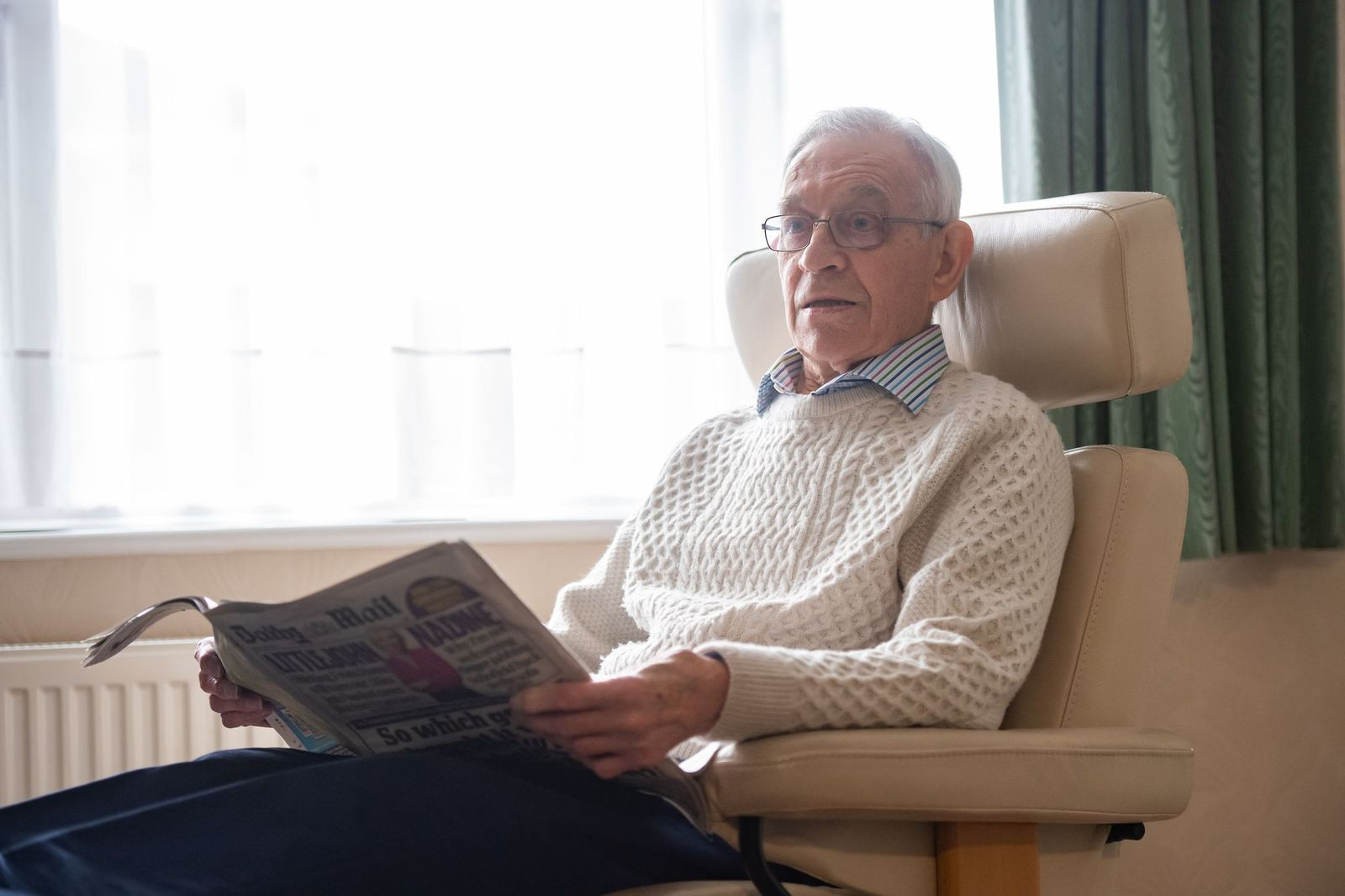
Noticing changes in a loved one’s memory or behaviour can be worrying and, at times, overwhelming. You may find yourself asking: Is this just ageing, or could it be something more?
Understanding the early signs of dementia—and knowing what to do next—can help you take the right steps with confidence and compassion.
Noticing changes in a loved one’s memory or behaviour can be worrying and, at times, overwhelming. You may find yourself asking: Is this just ageing, or could it be something more?
Understanding the early signs of dementia—and knowing what to do next—can help you take the right steps with confidence and compassion.
What Are the Early Signs of Dementia?
Dementia is not a single condition, but a group of symptoms affecting memory, thinking, and behaviour. Early signs can be subtle and often develop gradually.
Common Symptoms to Look Out For
Memory loss, especially forgetting recent events
Difficulty finding the right words or following conversations
Confusion about time or place
Changes in mood or personality
Struggling with familiar tasks (e.g. cooking, managing finances)
Misplacing items or becoming suspicious or withdrawn
It’s important to remember that occasional forgetfulness is normal—but persistent or worsening symptoms should not be ignored.
Step 1: Start the Conversation
If you’re concerned, the first step is to talk openly and gently with your loved one.
How to Approach It
Choose a calm, private moment
Express concern without blame (“I’ve noticed…” rather than “You always…”)
Listen carefully to their feelings and perspective
This can be a sensitive conversation, but approaching it with empathy can make it easier for everyone involved.
Step 2: Seek a Medical Assessment
A proper diagnosis is essential. Dementia symptoms can sometimes be caused by other treatable conditions such as vitamin deficiencies, infections, or medication side effects.
What to Do
Book an appointment with a GP
Attend together for support
Share specific examples of changes you’ve noticed
Early diagnosis can open the door to treatment, support, and better long-term planning.
Step 3: Understand the Diagnosis and Plan Ahead
If dementia is diagnosed, it’s natural to feel a mix of emotions. However, having clarity allows you to plan and access the right support.
Key Next Steps
Learn about the specific type of dementia
Discuss care preferences early
Arrange legal and financial planning (e.g. Power of Attorney)
Explore available support services
Taking action early helps maintain independence and reduces stress later.
Step 4: Consider Care and Support Options
As dementia progresses, additional support may be needed to ensure safety and wellbeing.
Home Care as a Supportive Option
Home care allows your loved one to remain in familiar surroundings while receiving tailored support. This can include:
Help with daily routines
Medication reminders
Companionship and emotional support
Specialist dementia care
Remaining at home can be especially beneficial for people living with dementia, as familiar environments can reduce confusion and anxiety.
Step 5: Look After Yourself Too
Caring for someone with dementia can be emotionally and physically demanding. It’s important to recognise your own needs.
Seek support from family, friends, or local groups
Take regular breaks
Don’t hesitate to ask for professional help
You don’t have to navigate this alone.
When Should You Act?
If you’re noticing consistent changes in memory, behaviour, or daily functioning, it’s time to act. Early intervention can make a meaningful difference in managing symptoms and maintaining quality of life.
Final Thoughts
Recognising the signs of dementia is never easy—but taking the next step can bring clarity, support, and reassurance. With the right guidance and care, it’s possible to help your loved one live safely, comfortably, and with dignity.
Ready to Get Support?
If you’re concerned about a loved one and unsure what to do next, speaking to a local care team can provide clarity and peace of mind. From understanding your options to creating a personalised care plan, the right support can make all the difference.
Contact your local team today to find compassionate, specialist dementia care tailored to your family’s needs.